GMP Intermediates Supporting Modern Pharmaceutical Manufacturing and Global Chemical Industry Development
May 26,2026
In the modern pharmaceutical and chemical manufacturing industries, product quality, process consistency, and regulatory compliance are essential for ensuring safe and effective production. As global healthcare demand continues to grow and pharmaceutical technologies become more advanced, the importance of high-quality intermediate materials has increased significantly. Among these critical production materials, GMP Intermediates play a vital role in supporting pharmaceutical synthesis, biotechnology development, and chemical manufacturing processes worldwide.
GMP Intermediates refer to pharmaceutical or chemical intermediate compounds manufactured in accordance with Good Manufacturing Practice standards. These intermediates are used during the production of active pharmaceutical ingredients, specialty chemicals, biotechnology products, and fine chemical formulations. GMP compliance ensures that intermediates are produced under controlled manufacturing conditions with strict quality management systems, traceability procedures, and contamination prevention measures.
One of the most important aspects of GMP Intermediates production is quality consistency. Pharmaceutical manufacturing requires highly controlled chemical composition and stable production standards to ensure that final products meet regulatory and therapeutic requirements. Variations in intermediate quality can affect the purity, stability, and effectiveness of downstream pharmaceutical products. Therefore, GMP-compliant manufacturing processes are designed to minimize production deviations and maintain consistent batch-to-batch performance.
Modern GMP Intermediates manufacturing facilities operate under strict environmental and operational controls. Production environments are carefully managed to reduce contamination risks and maintain product integrity. Cleanroom systems, advanced ventilation technologies, and controlled material handling procedures help ensure compliance with international pharmaceutical standards. These controlled environments are especially important for sensitive pharmaceutical and biotechnology applications.
Raw material management is another critical factor in GMP Intermediates production. Manufacturers carefully evaluate suppliers, inspect incoming materials, and maintain strict traceability throughout the production process. Each raw material must meet established purity and safety requirements before being used in synthesis or processing operations. This level of quality management helps ensure reliable intermediate production and supports overall pharmaceutical safety.
Advanced chemical synthesis technologies are widely used in GMP Intermediates manufacturing. Modern production facilities utilize precision reaction systems, automated process controls, and analytical monitoring equipment to improve efficiency and accuracy. Automated production systems help reduce human error, improve process repeatability, and maintain stable operational conditions throughout complex chemical synthesis procedures.
Analytical testing and quality assurance are essential components of GMP manufacturing systems. GMP Intermediates undergo comprehensive testing procedures including purity analysis, impurity profiling, stability evaluation, residual solvent testing, moisture analysis, and microbiological inspection where applicable. High-performance liquid chromatography, gas chromatography, mass spectrometry, and other advanced analytical technologies are commonly used to verify product quality and compliance.
Documentation and traceability are also fundamental requirements in GMP manufacturing. Every stage of production is recorded through detailed batch records, quality control reports, equipment maintenance logs, and process validation documents. This traceability system ensures that manufacturing operations remain transparent, auditable, and compliant with global regulatory standards.
The pharmaceutical industry is one of the largest users of GMP Intermediates. These compounds are essential for producing antibiotics, antiviral drugs, cardiovascular medications, oncology treatments, and various other pharmaceutical products. As pharmaceutical research continues to expand, the demand for high-purity and highly specialized intermediates continues to increase.
Biotechnology companies also rely heavily on GMP Intermediates for research and production applications. Advanced biologics, peptide synthesis, vaccine development, and gene therapy production often require precisely manufactured intermediate compounds with strict quality specifications. GMP-compliant manufacturing ensures that these sensitive materials meet the demanding standards of modern biotechnology.
Specialty chemical industries also benefit from GMP manufacturing systems. High-purity intermediates are used in agricultural chemicals, electronic materials, coatings, catalysts, and performance chemicals where product consistency and contamination control are critical. The adoption of GMP principles helps improve overall manufacturing reliability across multiple industrial sectors.
OEM and customized production services are increasingly important in the GMP Intermediates market. Different pharmaceutical and chemical companies require customized synthesis routes, packaging solutions, purity standards, and production capacities based on their product development needs. Manufacturers provide tailored services to support customer-specific applications while maintaining regulatory compliance and quality consistency.
Global regulatory requirements continue to influence GMP manufacturing standards. International organizations and regulatory agencies such as the FDA, EMA, and WHO establish strict guidelines for pharmaceutical production and intermediate quality control. Manufacturers must continuously improve quality systems, production technologies, and compliance management to meet evolving global standards.
Environmental sustainability has also become a growing focus in pharmaceutical and chemical manufacturing. Modern GMP Intermediates production facilities increasingly adopt energy-efficient equipment, waste reduction technologies, solvent recovery systems, and environmentally responsible production practices. These efforts help reduce environmental impact while improving operational efficiency.
The globalization of pharmaceutical supply chains has further increased the importance of reliable GMP Intermediates manufacturers. Pharmaceutical companies require stable supply partners capable of maintaining consistent quality, timely delivery, and regulatory compliance across international markets. Strong quality management systems and advanced production capabilities help manufacturers meet these global industry demands.
Technological innovation continues to shape the future of GMP Intermediates production. Artificial intelligence, digital manufacturing systems, process analytical technologies, and advanced automation are improving production efficiency and quality control accuracy. Smart manufacturing technologies allow real-time process monitoring and predictive quality management, helping reduce production risks and improve operational performance.
Research and development activities also remain essential in the GMP Intermediates industry. Manufacturers continue exploring new synthesis technologies, greener chemical processes, and advanced purification methods to improve product quality and manufacturing sustainability. These innovations support the ongoing development of modern pharmaceuticals and specialty chemicals.
In conclusion, GMP Intermediates are a critical foundation of modern pharmaceutical, biotechnology, and chemical manufacturing industries. Their role in ensuring product quality, regulatory compliance, and production consistency makes them essential for safe and efficient industrial operations. Through advanced manufacturing technologies, strict quality control systems, and continuous innovation, GMP Intermediates manufacturers continue to support the global development of healthcare, chemical production, and scientific advancement worldwide.
Syntame Exhibition Tour 2025
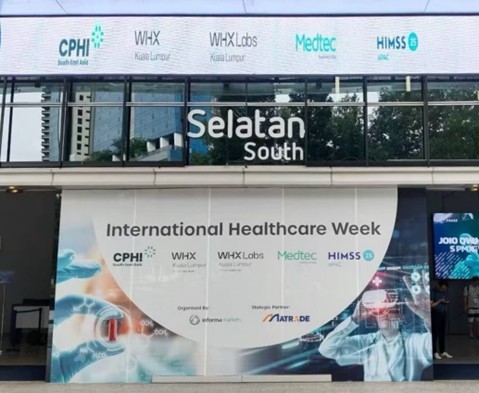
CPHI South East Asia 2025 comes to a successful conclusion | SYNTAME opens a new chapter in the Southeast Asian market
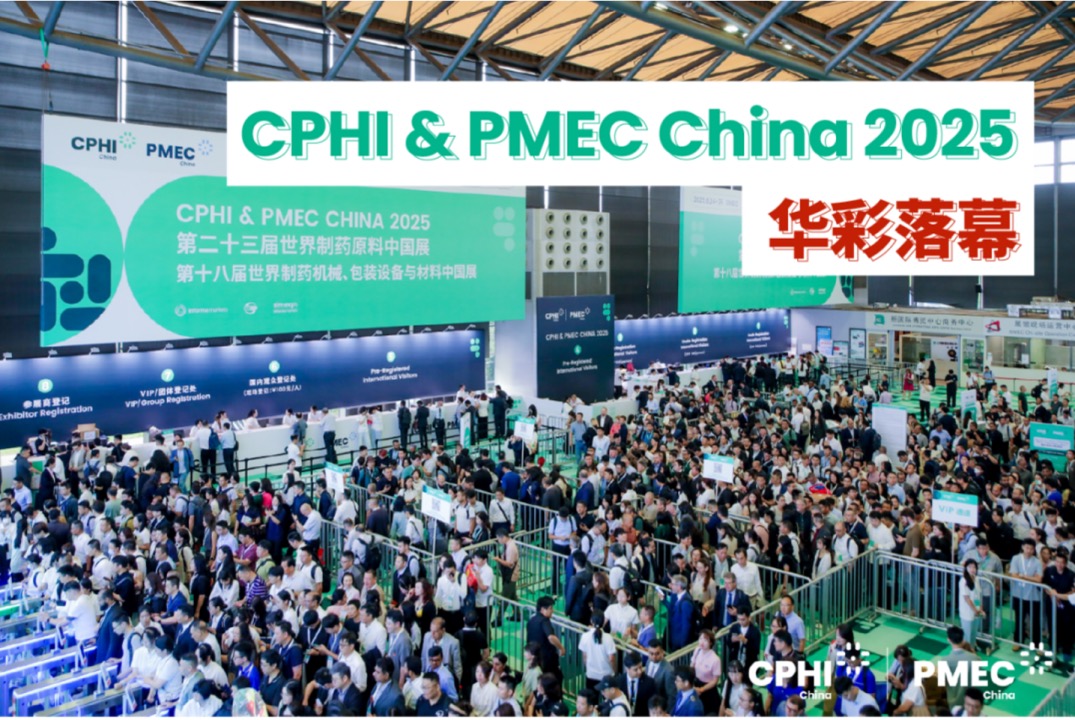
CPHI China 2025 ended successfully | Syntame talks with customers around the world about new opportunities for cooperation

The company team made a stunning appearance at the 22nd World Pharmaceutical Raw Materials China Exhibition (CPHI) at the Shanghai New International Expo Centre.

The company's sales team successfully participated in the 21st World Pharmaceutical Raw Materials China Exhibition (CPHI) at the Shanghai New International Expo Centre.
No.298 Mingguang Road, Urban Industrial Park, Yinzhou District, Ningbo City, Zhejiang Province, P.R. China

COOKIES
Our website uses cookies and similar technologies to personalize the advertising shown to you and to help you get the best experience on our website. For more information, see our Privacy & Cookie Policy
COOKIES
Our website uses cookies and similar technologies to personalize the advertising shown to you and to help you get the best experience on our website. For more information, see our Privacy & Cookie Policy
These cookies are necessary for basic functions such as payment. Standard cookies cannot be turned off and do not store any of your information.
These cookies collect information, such as how many people are using our site or which pages are popular, to help us improve the customer experience. Turning these cookies off will mean we can't collect information to improve your experience.
These cookies enable the website to provide enhanced functionality and personalization. They may be set by us or by third-party providers whose services we have added to our pages. If you do not allow these cookies, some or all of these services may not function properly.
These cookies help us understand what you are interested in so that we can show you relevant advertising on other websites. Turning these cookies off will mean we are unable to show you any personalized advertising.