

Understanding Active Compounds: Their Impact on Medical Innovations
Aug 28,2026


Understanding Active Compounds: Their Impact on Medical Innovations
Table of Contents
- Introduction to Active Compounds in Medicine
- Defining Active Compounds: What Are They?
- Types of Active Compounds in Pharmaceuticals
- The Role of Active Compounds in Medical Innovations
- The Pharmaceutical Development Process
- Case Studies: Success Stories in Medical Innovations
- Challenges and Opportunities in Active Compound Research
- The Future of Active Compounds in Medicine
- Frequently Asked Questions
- Conclusion: Embracing the Future of Medical Innovations
Introduction to Active Compounds in Medicine
Active compounds serve as the cornerstone of modern medicine, playing a pivotal role in the treatment and prevention of various diseases. These compounds are responsible for the therapeutic effects observed in medications and are derived from a multitude of sources, including plants, microorganisms, and synthetic processes. As we delve deeper into the world of active compounds, we will discover how they influence medical innovations and improve patient care.
Defining Active Compounds: What Are They?
Active compounds are defined as the ingredients in pharmaceutical products that are biologically active and contribute to the intended therapeutic effect. Their discovery and utilization have revolutionized the healthcare landscape, paving the way for the development of life-saving medications. Understanding the characteristics and mechanisms of these compounds is essential for researchers and healthcare professionals alike.
Types of Active Compounds in Pharmaceuticals
Active compounds can be classified into two main categories: natural and synthetic. Each type has its unique characteristics and applications.
Natural Compounds
Natural compounds are derived from various biological sources, including plants, fungi, and animals. These compounds have been used for centuries in traditional medicine and continue to provide the foundation for many modern pharmaceuticals. Examples include:
- **Alkaloids**: Found in plants, alkaloids are known for their potent pharmacological effects. Morphine, derived from the opium poppy, is a well-known alkaloid used for pain relief.
- **Flavonoids**: Present in fruits and vegetables, flavonoids possess antioxidant properties and have been linked to various health benefits, including reduced inflammation.
Synthetic Compounds
Synthetic compounds are chemically engineered in laboratories to achieve specific therapeutic effects. The development of synthetic compounds has significantly expanded the range of available medications. Notable examples include:
- **Antibiotics**: Such as penicillin, which has saved countless lives by treating bacterial infections.
- **Antidepressants**: Selective serotonin reuptake inhibitors (SSRIs) like fluoxetine represent a class of synthetic compounds designed to enhance mood and treat depression.
The Role of Active Compounds in Medical Innovations
Active compounds are at the forefront of medical innovations, enabling the development of new therapies and improving existing ones. Their contributions can be observed across various fields, including oncology, cardiology, and infectious diseases.
In oncology, for instance, targeted therapies utilize specific active compounds to attack cancer cells while minimizing harm to healthy tissues. Innovations in drug delivery mechanisms, such as nanotechnology, further enhance the effectiveness of these active compounds, allowing for more precise targeting.
The Pharmaceutical Development Process
The journey from the discovery of an active compound to its approval as a medication involves a complex and rigorous process. This process can be broken down into several key stages:
1. **Discovery and Preclinical Research**: Researchers identify potential active compounds through various methods, including screening natural products and synthesizing compounds. Preclinical studies assess their safety and efficacy in vitro and in animal models.
2. **Clinical Trials**: Once a compound shows promise, it enters clinical trials, which are conducted in three phases:
- Phase I: Focuses on safety and dosage in a small group of healthy volunteers.
- Phase II: Evaluates efficacy and side effects in a larger patient population.
- Phase III: Confirms effectiveness and monitors adverse reactions in diverse patient groups.
3. **Regulatory Approval**: After successful clinical trials, the pharmaceutical company submits a New Drug Application (NDA) to regulatory agencies, such as the FDA. The agency reviews the data before granting approval for public use.
4. **Post-Marketing Surveillance**: Even after approval, ongoing monitoring of the drug's performance and safety continues to ensure it remains effective and safe for the population.
Case Studies: Success Stories in Medical Innovations
Examining successful case studies highlights the impact of active compounds on medical innovations.
Imatinib: A Breakthrough in Cancer Treatment
Imatinib, a targeted therapy for chronic myeloid leukemia (CML), revolutionized cancer treatment. By selectively inhibiting the BCR-ABL tyrosine kinase, it has transformed CML from a fatal disease to a manageable condition for many patients, showcasing the power of active compounds in oncology.
Dolutegravir: Advancing HIV Treatments
Dolutegravir represents a significant advancement in the treatment of HIV. As an integrase inhibitor, it has demonstrated high efficacy and a favorable safety profile. Its incorporation into treatment regimens has significantly improved patient outcomes and adherence.
Challenges and Opportunities in Active Compound Research
Despite the tremendous potential of active compounds, researchers face several challenges in their development and application:
1. **Resistance Development**: Pathogens, particularly bacteria and viruses, can develop resistance to active compounds, necessitating continuous research and development of new therapies.
2. **Regulatory Hurdles**: The lengthy and expensive process of gaining regulatory approval can hinder innovation, discouraging small companies and startups from entering the market.
3. **Funding and Resources**: Securing adequate funding for research is often a significant barrier, particularly for complex compounds that require extensive studies.
However, there are also vast opportunities in this sector. Advancements in technology, such as artificial intelligence and machine learning, can expedite the drug discovery process, while collaborations between academia and industry can foster innovation.
The Future of Active Compounds in Medicine
The future of active compounds is bright, with ongoing research promising to unlock new therapeutic avenues. Areas of interest include personalized medicine, where treatments are tailored to individual genetic profiles, and the exploration of microbiome-based therapies that leverage the body’s natural flora.
Furthermore, the integration of digital health solutions, such as telemedicine and remote monitoring, can enhance patient adherence to active compound-based therapies, leading to improved health outcomes.
Frequently Asked Questions
1. What are active compounds?
Active compounds are the biologically active ingredients in medications that produce therapeutic effects. They can be derived from natural sources or synthesized in laboratories.
2. How do active compounds impact medical innovations?
Active compounds are essential for the development of new therapies, allowing for advancements in treatment options across various medical fields.
3. What are some examples of natural active compounds?
Examples include alkaloids like morphine and flavonoids found in fruits and vegetables, known for their health benefits.
4. What are the stages of pharmaceutical development?
The stages include discovery and preclinical research, clinical trials, regulatory approval, and post-marketing surveillance.
5. How can resistance to active compounds be addressed?
Ongoing research and the development of new compounds are essential strategies to combat resistance, along with combination therapies that enhance efficacy.
Conclusion: Embracing the Future of Medical Innovations
Understanding active compounds is crucial for advancing medical innovations and enhancing patient care. These compounds have the power to transform healthcare by enabling the development of effective therapies that address a wide range of diseases. As research continues to evolve, embracing the potential of active compounds will be key to unlocking new treatments and improving health outcomes for patients worldwide. Through collaboration, innovation, and a commitment to excellence, the future of active compounds in medicine holds immense promise for overcoming today's healthcare challenges.
Syntame Exhibition Tour 2026

CPHI China 2026 Concludes Successfully | Shentai Bio Will Continue to Focus on High-Content Pharmaceutical Raw Material Solutions

CPHI South East Asia 2025 comes to a successful conclusion | SYNTAME opens a new chapter in the Southeast Asian market
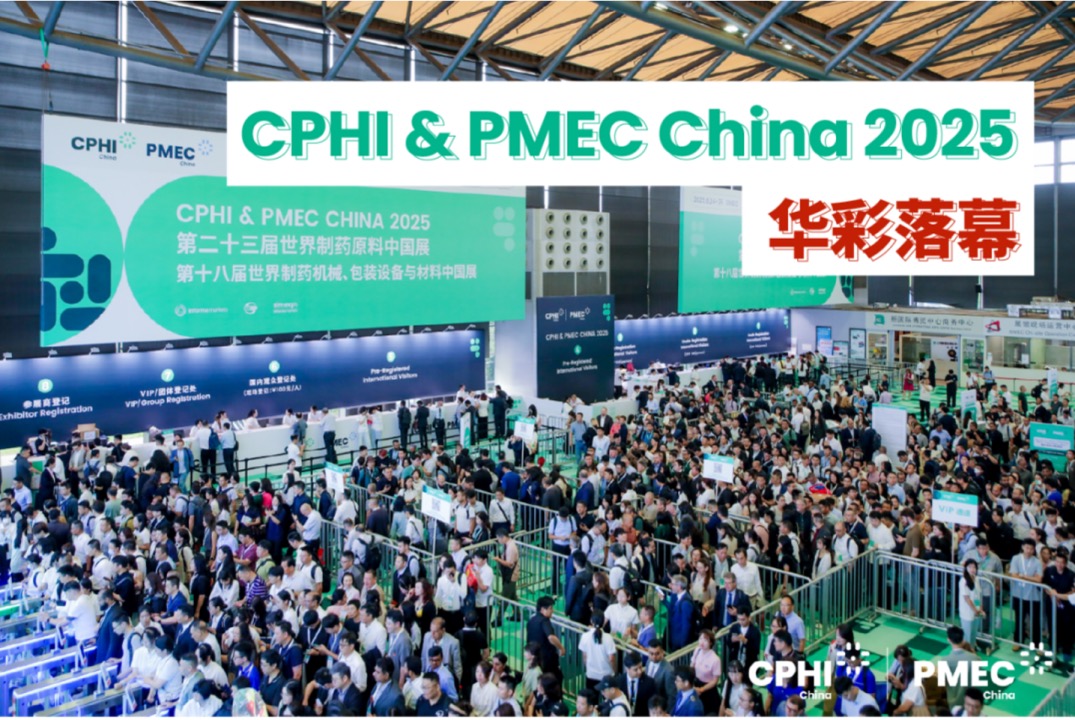
CPHI China 2025 ended successfully | Syntame talks with customers around the world about new opportunities for cooperation

The company team made a stunning appearance at the 22nd World Pharmaceutical Raw Materials China Exhibition (CPHI) at the Shanghai New International Expo Centre.

No.298 Mingguang Road, Urban Industrial Park, Yinzhou District, Ningbo City, Zhejiang Province, P.R. China