
Why Reaction Intermediates Are Crucial in the Production of Active Pharmaceutical Ingredients
Nov 28,2026


Introduction to Reaction Intermediates in Pharmaceutical Manufacturing
In the world of pharmaceutical manufacturing, the journey from raw materials to finished drugs is intricate and multifaceted. Among the critical components of this journey are **reaction intermediates**, which serve as essential building blocks in the synthesis of **active pharmaceutical ingredients (APIs)**. Understanding the significance of these intermediates can greatly enhance the efficiency, safety, and efficacy of drug production processes.
The Backbone of API Production: Understanding Reaction Intermediates
Reaction intermediates are transient species formed during a chemical reaction that leads to the final product. They are **not isolated and are often unstable**, making their study and management crucial for successful **API synthesis**. By grasping the role of these intermediates, pharmaceutical manufacturers can optimize their processes, leading to better yield and reduced production costs.
Why Are Reaction Intermediates Important?
The importance of reaction intermediates in API production can be summed up in several key points:
1. **Yield Optimization**: Intermediates can significantly affect the overall yield of the desired API. Understanding their formation and stability can help chemists manipulate reaction conditions to maximize yield.
2. **Process Efficiency**: Working with reaction intermediates can streamline the synthesis process, reducing the number of steps and, consequently, the time and resources required.
3. **Quality Control**: Monitoring intermediates ensures that the synthesis process remains controlled and consistent, leading to higher-quality products.
4. **Minimizing By-products**: By focusing on reaction intermediates, manufacturers can reduce unwanted by-products, enhancing the purity of the final product.
The Complexity of Chemical Pathways
The **synthesis of APIs** typically involves multiple chemical steps, each with its own set of intermediates. Recognizing how these intermediates interact with each other and with the surrounding environment is key to mastering the entire synthesis process.
Types of Reaction Intermediates in API Production
Different types of reaction intermediates are encountered in pharmaceutical synthesis, including:
1. Carbocations
Carbocations are positively charged intermediates that play a pivotal role in many organic reactions. Their stability can dictate the pathway taken by a reaction, impacting the final product's formation.
2. Radicals
Radicals are highly reactive species with unpaired electrons. They are essential in various reactions, particularly in radical polymerization and oxidation processes. Managing radical reactions requires precision, as they can lead to unwanted side products if not controlled.
3. Carbanions
Carbanions carry a negative charge and are crucial in nucleophilic attack mechanisms. Their reactivity can be harnessed to form new bonds, providing pathways to complex molecules in API synthesis.
4. Transition States
While not intermediates in the traditional sense, transition states represent critical points in a reaction pathway. Understanding these states can help chemists predict reaction outcomes and optimize conditions.
Challenges in Working with Reaction Intermediates
Despite their importance, working with reaction intermediates presents several challenges:
1. Stability Issues
Many intermediates are unstable and can decompose quickly. This instability can complicate their isolation and characterization, making it difficult to analyze their properties.
2. Reaction Kinetics
Kinetics is a crucial aspect of understanding how intermediates behave. Some intermediates may form quickly, while others require specific conditions. This variability can complicate process optimization.
3. Scale-Up Difficulties
Translating a successful lab-scale reaction to a larger production scale can pose significant challenges. Intermediates that behave predictably on a small scale may present unexpected issues at scale.
Strategies for Optimizing the Role of Reaction Intermediates
To fully exploit the benefits of reaction intermediates, several strategies can be employed:
1. Advanced Analytical Techniques
Employing state-of-the-art analytical methods, such as mass spectrometry and NMR spectroscopy, can provide insights into the identity and behavior of intermediates, allowing for better process control.
2. In-Situ Monitoring
Real-time monitoring of reactions can help chemists observe the formation and consumption of intermediates, enabling quick adjustments to reaction conditions as needed.
3. Computational Chemistry
Using computational models can predict how intermediates will behave under different conditions, providing valuable insights that guide experimental work.
4. Reaction Optimization Protocols
Implementing structured optimization protocols can help identify the best reaction conditions for working with specific intermediates, maximizing yield and minimizing by-products.
The Future of Reaction Intermediates in API Production
As pharmaceutical manufacturing evolves, the role of reaction intermediates will become increasingly critical. Innovations in **chemical synthesis**, including the use of green chemistry principles, will likely lead to more sustainable processes that leverage intermediates effectively.
1. Sustainable Chemistry Practices
Incorporating sustainable practices into the use of reaction intermediates can lead to eco-friendly drug production methods, reducing waste and energy consumption while maintaining high quality.
2. Automation and Artificial Intelligence
The integration of automation and AI in chemical processes can enhance the efficiency of working with intermediates, allowing for quick adjustments and improved decision-making based on real-time data.
FAQs About Reaction Intermediates and API Production
1. What are reaction intermediates?
Reaction intermediates are transient species formed during the course of a chemical reaction, which can significantly influence the yield and quality of the final product.
2. How do reaction intermediates affect API synthesis?
They impact the efficiency, yield, and purity of the final API product, making their management crucial in the production process.
3. What types of intermediates are commonly found in API production?
Common types include carbocations, radicals, carbanions, and transition states.
4. What challenges are associated with reaction intermediates?
Challenges include stability issues, reaction kinetics, and difficulties in scaling up processes that involve intermediates.
5. How can the role of reaction intermediates be optimized?
Strategies include using advanced analytical techniques, in-situ monitoring, computational chemistry, and structured optimization protocols.
Conclusion: The Indispensable Role of Reaction Intermediates in API Production
In summary, reaction intermediates are indispensable in the production of active pharmaceutical ingredients. They not only influence the efficiency and yield of the synthesis process but also play a pivotal role in ensuring product quality. By understanding and optimizing the use of these intermediates, pharmaceutical manufacturers can enhance their processes, leading to better drugs and improved patient outcomes. As we move forward, the ongoing exploration of these intermediates will undoubtedly shape the future of pharmaceutical manufacturing.
Syntame Exhibition Tour 2026

CPHI China 2026 Concludes Successfully | Shentai Bio Will Continue to Focus on High-Content Pharmaceutical Raw Material Solutions

CPHI South East Asia 2025 comes to a successful conclusion | SYNTAME opens a new chapter in the Southeast Asian market
CPHI South East Asia 2025 comes to a successful conclusion | SYNTAME opens a new chapter in the Southeast Asian market
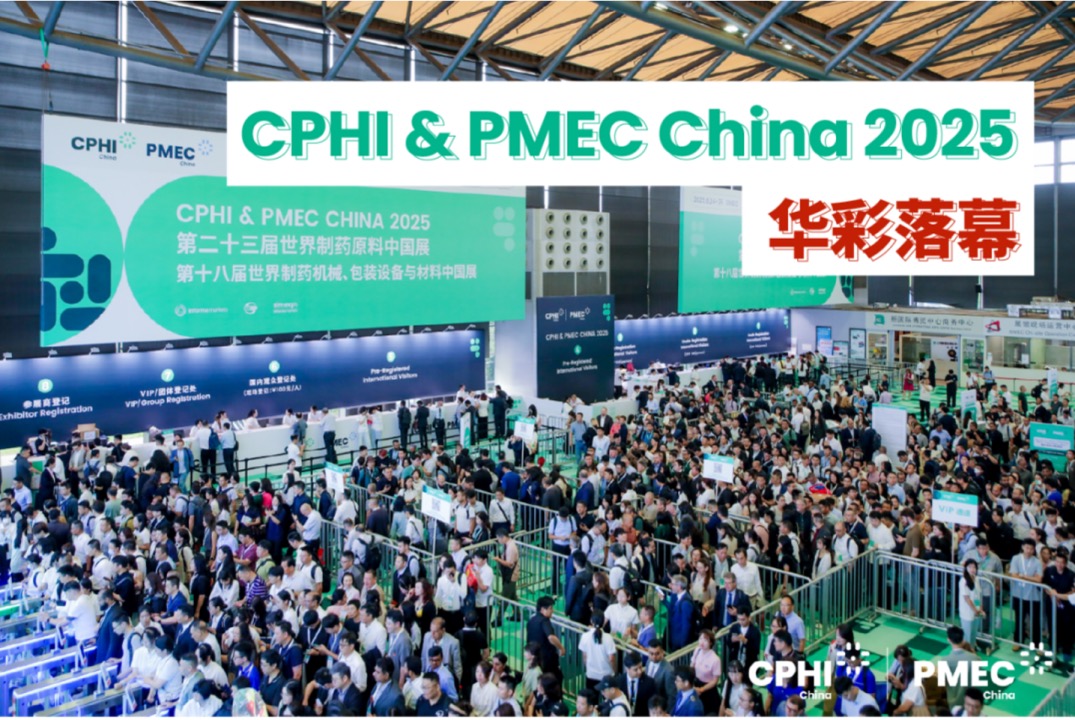
CPHI China 2025 ended successfully | Syntame talks with customers around the world about new opportunities for cooperation
CPHI China 2025 ended successfully | Syntame talks with customers around the world about new opportunities for cooperation

The company team made a stunning appearance at the 22nd World Pharmaceutical Raw Materials China Exhibition (CPHI) at the Shanghai New International Expo Centre.

No.298 Mingguang Road, Urban Industrial Park, Yinzhou District, Ningbo City, Zhejiang Province, P.R. China