
Understanding API Raw Materials and Their Impact on Drug Pricing
Nov 22,2026


Understanding API Raw Materials and Their Impact on Drug Pricing
Drug pricing has become a focal point of discussion in recent years, driven largely by the escalating costs of healthcare and the quest for affordable medications. At the center of this discourse lies a crucial component—Active Pharmaceutical Ingredients (APIs) and their raw materials. Understanding how these materials affect drug pricing is essential for stakeholders across the healthcare spectrum, from manufacturers to consumers. In this article, we will explore the intricate relationship between API raw materials and drug pricing, examining various factors that contribute to this dynamic.
Table of Contents
1. What Are APIs?
2. The Role of Raw Materials in Drug Manufacturing
3. How API Pricing Affects Drug Costs
4. Supply Chain Issues and Their Impact on Pricing
5. Regulatory Factors Influencing API Pricing
6. The Globalization of API Sourcing
7. Future Trends in API Pricing
8. Conclusion
9. FAQs
What Are APIs?
Active Pharmaceutical Ingredients (APIs) are the biologically active components responsible for the therapeutic effects of medications. They are the core of any drug product, bringing about the intended health benefits, whether they be pain relief, infection treatment, or chronic disease management. **The quality and sourcing of APIs are pivotal**, as they not only influence the efficacy of the drug but also significantly affect its market price.
The Importance of API Quality
The quality of APIs is paramount. High-quality APIs ensure safety and efficacy, which are crucial for patient trust and regulatory compliance. Manufacturers must adhere to strict guidelines, such as Good Manufacturing Practices (GMP), which can add to the overall costs of APIs. As a result, the price of these materials can vary widely based on quality, purity, and the complexity of the manufacturing process.
The Role of Raw Materials in Drug Manufacturing
Raw materials are the foundation upon which APIs are built. These materials can range from simple organic compounds to complex biochemicals. The selection and procurement of raw materials directly influence the production costs of APIs.
Types of Raw Materials
1. **Chemical Raw Materials:** These are the basic building blocks used to synthesize APIs. Their availability, cost, and quality can fluctuate based on market demand and environmental regulations.
2. **Biological Raw Materials:** Used in the production of biopharmaceuticals, these materials include living organisms or their components. The complexity of sourcing and production often results in higher costs compared to traditional chemical APIs.
3. **Excipients:** Though not active ingredients, excipients play a crucial role in drug formulation. The selection and quality of excipients can influence the stability and efficacy of the final product.
How API Pricing Affects Drug Costs
The price of APIs constitutes a significant portion of the overall cost of drug manufacturing. Variations in API pricing can directly lead to fluctuations in drug prices. Here are some critical factors that showcase this relationship:
Cost of Production
The production costs of APIs include raw material costs, labor, overhead, and compliance with regulatory standards. A rise in any of these costs can lead to an increase in the final price of the drug. For example, if the cost of a critical raw material increases due to supply chain disruptions, manufacturers may pass these costs onto consumers.
Market Dynamics
The pharmaceutical market operates on principles of supply and demand. If the demand for a particular API surges, manufacturers may increase prices to maximize profits. Conversely, price wars among competitors can lead to reduced prices, making medications more affordable.
Supply Chain Issues and Their Impact on Pricing
Supply chain stability is essential for maintaining consistent API pricing. Any interruptions can lead to significant price hikes. Here are some of the supply chain factors affecting API costs:
Global Sourcing Challenges
Most API raw materials are sourced from global suppliers. Political instability, natural disasters, or trade disputes in supplier countries can disrupt supply chains, affecting availability and prices.
Transportation Costs
Rising fuel prices and logistical challenges can increase transportation costs, further impacting the overall pricing of APIs. Manufacturers must consider these costs when determining drug prices.
Regulatory Factors Influencing API Pricing
Regulatory requirements play a vital role in determining API pricing. **Compliance with stringent regulations can drive up costs**, which may eventually reflect in drug prices.
Quality Assurance and Compliance
Manufacturers must comply with local and international regulations to ensure quality and safety. The costs associated with testing, validation, and certification can be substantial, contributing to the overall cost structure of APIs.
Intellectual Property and Patents
Patents can create monopolies on certain APIs, allowing manufacturers to set prices without competition. This can lead to higher drug costs, especially if the API is vital and has no alternative.
The Globalization of API Sourcing
Globalization has transformed how APIs are sourced and manufactured. While it has opened up cost-effective options, it has also introduced new complexities.
Emerging Markets
Many pharmaceutical companies are shifting their API sourcing to emerging markets where manufacturing costs are lower. However, this can lead to quality concerns and regulatory challenges, influencing pricing strategies.
Impact on Local Industries
Global sourcing can have detrimental effects on local manufacturers, forcing them to compete with cheaper imports. This situation can lead to decreased production capacity and increased prices for consumers.
Future Trends in API Pricing
As the pharmaceutical landscape evolves, several trends could influence API pricing and, by extension, drug costs.
Technological Advancements
Innovative manufacturing processes, such as continuous manufacturing and automation, have the potential to reduce production costs and improve efficiency. As these technologies become more prevalent, we may see a stabilization or even reduction in API prices.
Sustainability Initiatives
With a rising emphasis on sustainability, manufacturers are increasingly adopting environmentally friendly practices. While these initiatives might initially increase costs, they could lead to long-term savings and price stabilizations.
Conclusion
The relationship between API raw materials and drug pricing is multifaceted, involving various factors from production costs to global sourcing challenges. **Understanding this relationship is crucial** for stakeholders in the healthcare industry. As we move forward, it will be essential to monitor how changes in regulations, market dynamics, and technological advancements shape the future of API pricing and, consequently, the affordability of medications. Our commitment should remain focused on ensuring that high-quality drugs remain accessible to all patients while fostering a fair and sustainable pharmaceutical landscape.
FAQs
1. **What are Active Pharmaceutical Ingredients (APIs)?**
Active Pharmaceutical Ingredients are the components in drugs that provide therapeutic effects.
2. **How do raw materials affect API pricing?**
The quality, availability, and cost of raw materials directly influence the production costs of APIs, impacting drug prices.
3. **What role do regulations play in API pricing?**
Regulatory compliance can add significant costs to API production, which may be passed on to consumers in the form of higher drug prices.
4. **How do supply chain issues influence drug pricing?**
Disruptions in the supply chain can affect the availability and cost of APIs, leading to fluctuations in drug prices.
5. **What future trends might impact API pricing?**
Technological advancements and sustainability initiatives could lead to changes in production costs, potentially stabilizing or reducing API prices in the future.
Syntame Exhibition Tour 2026

CPHI China 2026 Concludes Successfully | Shentai Bio Will Continue to Focus on High-Content Pharmaceutical Raw Material Solutions
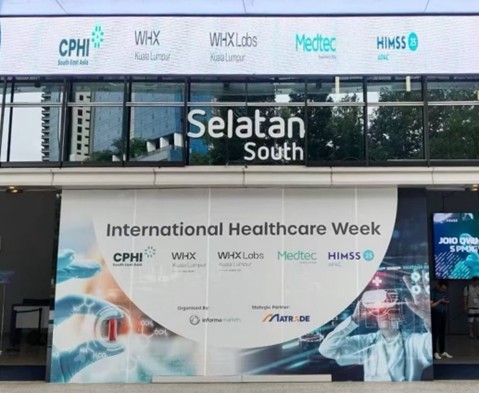
CPHI South East Asia 2025 comes to a successful conclusion | SYNTAME opens a new chapter in the Southeast Asian market
CPHI South East Asia 2025 comes to a successful conclusion | SYNTAME opens a new chapter in the Southeast Asian market
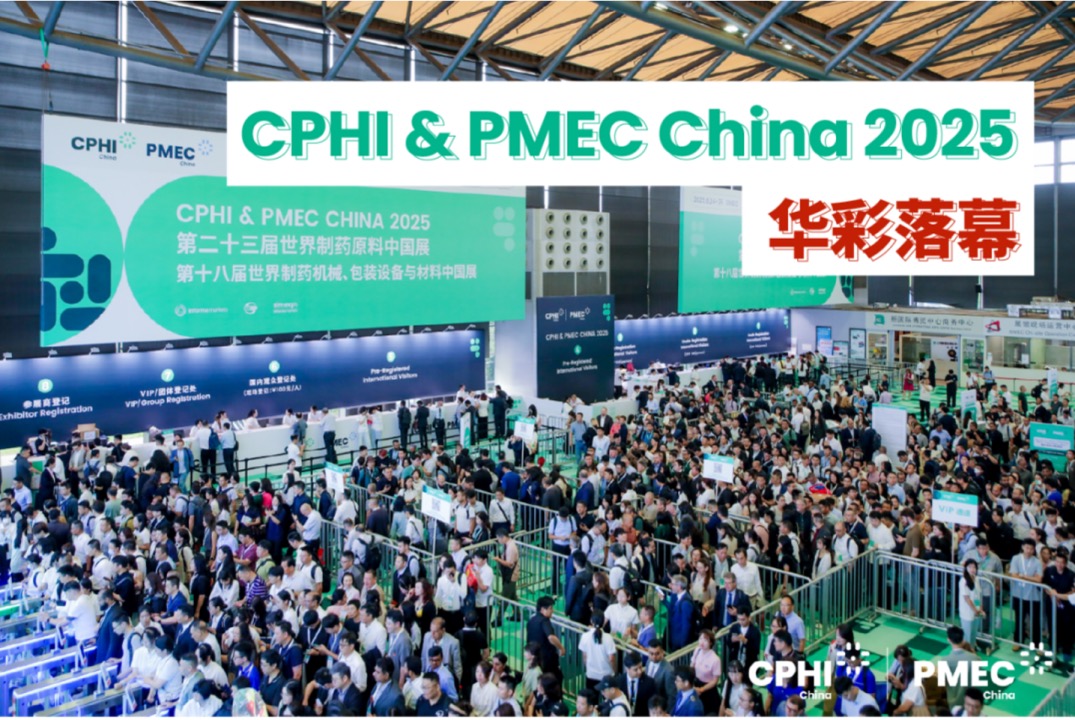
CPHI China 2025 ended successfully | Syntame talks with customers around the world about new opportunities for cooperation
CPHI China 2025 ended successfully | Syntame talks with customers around the world about new opportunities for cooperation

The company team made a stunning appearance at the 22nd World Pharmaceutical Raw Materials China Exhibition (CPHI) at the Shanghai New International Expo Centre.

No.298 Mingguang Road, Urban Industrial Park, Yinzhou District, Ningbo City, Zhejiang Province, P.R. China