

Revealing the Science Behind Active Compounds in Medicine: Unraveling Their Mechanisms and Impact
Nov 16,2026


Revealing the Science Behind Active Compounds in Medicine
The foundation of modern medicine lies in the understanding and application of **active compounds**. These chemical substances are pivotal in creating effective treatments for various health conditions. As we delve into the science behind these compounds, we will explore their mechanisms, extraction methods, and therapeutic applications, providing a holistic view of their significance in healthcare.
Table of Contents
1. Understanding Active Compounds
2. Types of Active Compounds in Medicine
3. Mechanisms of Action of Active Compounds
4. Extraction Methods: How Active Compounds Are Obtained
5. Therapeutic Applications of Active Compounds
6. The Future of Active Compounds in Medicine
7. Challenges in Research and Development
8. Conclusion
9. FAQs
Understanding Active Compounds
Active compounds are defined as **substances that exert a biological effect** on living organisms. These compounds can be derived from various sources, including plants, animals, and synthetic processes. Their complexity ranges from simple molecules to intricate structures, and their functions can vary dramatically based on their chemical properties and the biological systems they interact with.
The importance of active compounds cannot be overstated. They are integral to the development of **pharmaceuticals**, playing crucial roles in treating diseases, alleviating symptoms, and improving overall health outcomes. The study of these compounds is an evolving field, with ongoing research aimed at uncovering new applications and enhancing existing therapies.
Types of Active Compounds in Medicine
Active compounds can be categorized based on their origin and function. Here are some of the primary types:
1. Plant-Derived Compounds
Plant-derived active compounds, known as **phytochemicals**, include alkaloids, flavonoids, and terpenoids. These compounds often exhibit antioxidant, anti-inflammatory, and antimicrobial properties. For instance, **morphine**, an alkaloid derived from the opium poppy, is a potent analgesic used in pain management.
2. Animal-Derived Compounds
Animal-derived active compounds can be sourced from various tissues, organs, and secretions. For example, **hyaluronic acid**, found in rooster combs, is widely used in skincare products and joint injections due to its hydrating and lubricating properties.
3. Synthetic Compounds
Synthetic active compounds are manufactured through chemical processes in laboratories. These compounds are designed to mimic or enhance natural substances. **Metformin**, a synthetic compound used to manage diabetes, exemplifies how chemical synthesis can lead to effective therapeutic agents.
4. Biologics
Biologics are a class of medications derived from living organisms, including proteins, nucleic acids, and cells. They include vaccines, monoclonal antibodies, and gene therapies. For instance, **adalimumab**, a monoclonal antibody, is used to treat autoimmune diseases like rheumatoid arthritis.
Mechanisms of Action of Active Compounds
Understanding how active compounds work is essential for their effective application in medicine. The **mechanisms of action** describe how these compounds interact with biological systems to produce desired effects.
1. Receptor Binding
Many active compounds exert their effects by binding to specific receptors on cell surfaces. This binding can activate or inhibit various signaling pathways, leading to physiological responses. For example, **beta-blockers** bind to beta-adrenergic receptors, reducing heart rate and lowering blood pressure.
2. Enzyme Inhibition
Active compounds can also inhibit or enhance the activity of enzymes, which are crucial for biochemical reactions. **ACE inhibitors**, for instance, block the angiotensin-converting enzyme, helping to regulate blood pressure and fluid balance.
3. Modulation of Gene Expression
Some active compounds influence gene expression by interacting with DNA or RNA. This mechanism can lead to changes in protein production and cellular function. **Glucocorticoids** are an example, as they modulate genes involved in inflammation and immune response.
Extraction Methods: How Active Compounds Are Obtained
The isolation of active compounds from their natural sources involves various extraction methods, each tailored to maximize yield and maintain the integrity of the compounds.
1. Solvent Extraction
This method involves using solvents to dissolve and separate active compounds from plant or animal materials. **Ethanol** and **methanol** are commonly used solvents, allowing for the extraction of a wide range of phytochemicals.
2. Steam Distillation
Steam distillation is a technique primarily used for extracting essential oils from plants. This method utilizes steam to vaporize the volatile compounds, which are then condensed back into liquid form.
3. Cold Pressing
Cold pressing is a mechanical extraction method used mainly for oils. In this technique, fruits or seeds are pressed to release their natural oils without the use of heat, preserving their beneficial properties.
4. Supercritical Fluid Extraction
This advanced extraction technique uses supercritical fluids, such as carbon dioxide, to extract active compounds. This method is highly efficient and environmentally friendly, allowing selective extraction of desired compounds without harmful solvents.
Therapeutic Applications of Active Compounds
Active compounds serve a myriad of therapeutic purposes, transforming the landscape of modern medicine.
1. Pain Management
Many active compounds are utilized in pain relief medications. **Non-steroidal anti-inflammatory drugs (NSAIDs)**, such as ibuprofen, work by inhibiting enzymes involved in inflammation, providing effective pain relief for conditions like arthritis.
2. Cancer Treatment
Active compounds play a vital role in cancer therapy. **Chemotherapeutic agents**, such as **cisplatin**, target rapidly dividing cancer cells, disrupting their growth and proliferation. Additionally, **targeted therapies** leverage specific active compounds to attack cancer cells with minimal impact on healthy tissue.
3. Treatment of Infectious Diseases
Antimicrobial agents derived from active compounds are essential in combating infections. **Penicillin**, the first antibiotic, revolutionized the treatment of bacterial infections by inhibiting cell wall synthesis in bacteria.
4. Chronic Disease Management
Active compounds are pivotal in managing chronic diseases such as diabetes, hypertension, and cardiovascular disorders. Medications like **statins** effectively lower cholesterol levels, reducing the risk of heart disease.
The Future of Active Compounds in Medicine
The future of active compounds in medicine looks promising, with advancements in technology and research paving the way for innovative therapies.
1. Personalized Medicine
With the rise of **genomic medicine**, active compounds can be tailored to individual patients based on their genetic makeup. This personalized approach enhances treatment efficacy and minimizes adverse effects.
2. Natural Product Research
The exploration of natural products continues to unveil a treasure trove of potential active compounds. As researchers delve deeper into biodiversity, novel compounds with therapeutic potential are likely to emerge.
3. Biotechnology and Synthetic Biology
Advances in biotechnology allow for the engineering of microorganisms to produce complex active compounds. **Synthetic biology** holds the promise of creating new, effective therapeutics that could address unmet medical needs.
Challenges in Research and Development
Despite the progress, several challenges persist in the field of active compounds.
1. Regulatory Hurdles
The approval process for new drugs is often lengthy and complex, with stringent regulations imposed by authorities. This can delay the introduction of promising active compounds into the market.
2. Understanding Pharmacokinetics
The pharmacokinetic properties of active compounds, including absorption, distribution, metabolism, and excretion, are crucial for their efficacy. Comprehensive studies are needed to fully understand these properties in various populations.
3. Resistance Development
The emergence of resistance to certain active compounds, particularly antibiotics, poses a significant threat to public health. Continuous research is necessary to develop new compounds that can bypass or overcome resistance mechanisms.
Conclusion
Active compounds are the cornerstone of modern medicine, driving advancements in treatment modalities across various health conditions. By understanding their mechanisms, extraction methods, and therapeutic applications, we gain valuable insights into their critical role in healthcare. As research continues to evolve, the future of active compounds holds immense potential, paving the way for innovative therapies that could transform patient care and improve health outcomes.
FAQs
1. What are active compounds?
Active compounds are chemical substances that produce a biological effect on living organisms, forming the basis for many pharmaceuticals.
2. How are active compounds extracted?
Active compounds can be extracted using various methods, including solvent extraction, steam distillation, cold pressing, and supercritical fluid extraction.
3. What is the significance of active compounds in medicine?
Active compounds are vital for developing effective treatments for diseases, alleviating symptoms, and improving overall health outcomes.
4. What are some examples of plant-derived active compounds?
Examples of plant-derived active compounds include **morphine** (from the opium poppy), **curcumin** (from turmeric), and **salicylic acid** (from willow bark).
5. What challenges are faced in the research of active compounds?
Challenges include regulatory hurdles, understanding pharmacokinetics, and the development of resistance to certain active compounds, particularly in antibiotics.
Syntame Exhibition Tour 2026

CPHI China 2026 Concludes Successfully | Shentai Bio Will Continue to Focus on High-Content Pharmaceutical Raw Material Solutions

CPHI South East Asia 2025 comes to a successful conclusion | SYNTAME opens a new chapter in the Southeast Asian market
CPHI South East Asia 2025 comes to a successful conclusion | SYNTAME opens a new chapter in the Southeast Asian market
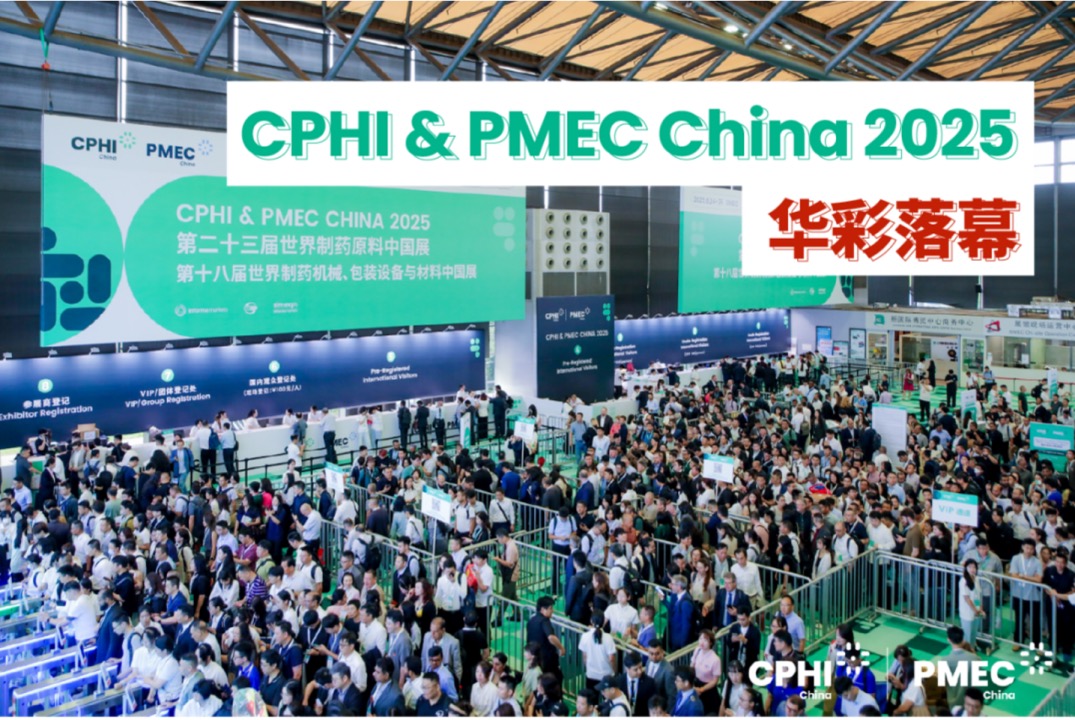
CPHI China 2025 ended successfully | Syntame talks with customers around the world about new opportunities for cooperation
CPHI China 2025 ended successfully | Syntame talks with customers around the world about new opportunities for cooperation

The company team made a stunning appearance at the 22nd World Pharmaceutical Raw Materials China Exhibition (CPHI) at the Shanghai New International Expo Centre.

No.298 Mingguang Road, Urban Industrial Park, Yinzhou District, Ningbo City, Zhejiang Province, P.R. China