
The Impact of Pharma Intermediates on the Efficiency of Drug Manufacturing
Nov 10,2026


The Impact of Pharma Intermediates on the Efficiency of Drug Manufacturing
Introduction to Pharma Intermediates
Pharmaceutical intermediates are crucial components in the production of active pharmaceutical ingredients (APIs). These intermediates are substances that undergo chemical transformations to produce the final drug products. Understanding their impact on the efficiency of drug manufacturing processes is vital for pharmaceutical companies aiming to enhance productivity, reduce costs, and improve time-to-market.
Understanding the Role of Intermediates in Drug Production
Intermediates serve as the building blocks in the synthesis of APIs. They are often produced in multi-step chemical processes where each step transforms a precursor chemical into a more complex structure. The efficiency of these steps can significantly influence the overall productivity of drug manufacturing.
Types of Pharmaceutical Intermediates
In the pharmaceutical sector, intermediates can be categorized into several types:
- **General Intermediates**: Commonly used in various drug formulations.
- **Specialty Intermediates**: Tailored for specific applications in drug development.
- **Chiral Intermediates**: Used in the synthesis of chiral drugs, which are crucial for ensuring the effectiveness of many pharmaceutical products.
The Chemical Synthesis Process
The chemical synthesis process comprises several stages, all reliant on intermediates. Each stage’s efficiency contributes to the overall success of drug manufacturing. Key factors include:
- **Reaction Conditions**: Temperature, pressure, and solvent choice can greatly affect yield.
- **Catalysts**: The use of catalysts can enhance reaction rates and selectivity, leading to better efficiency.
- **Separation and Purification**: The methods used to isolate intermediates also influence production timelines and costs.
The Supply Chain Dynamics of Pharma Intermediates
The supply chain for pharmaceutical intermediates is complex and multifaceted. Disruptions in this supply chain can have lasting impacts on drug production efficiency.
Key Challenges in the Supply Chain
Several challenges can hinder the smooth flow of intermediates:
- **Global Sourcing**: Reliance on overseas suppliers can introduce risks related to geopolitical tensions and trade regulations.
- **Quality Control**: Ensuring that intermediates meet strict quality standards is crucial for drug safety and efficacy.
- **Lead Times**: Delays in sourcing intermediates can slow down the entire manufacturing process.
Strategies for Optimizing Supply Chain Efficiency
To mitigate challenges, pharmaceutical companies can adopt several strategies:
- **Local Sourcing**: Establishing relationships with local suppliers can reduce lead times and increase responsiveness.
- **Inventory Management**: Implementing advanced inventory management systems can prevent stockouts and overstock situations.
- **Collaboration**: Working closely with suppliers can enhance communication and streamline processes.
Regulatory Considerations in the Use of Intermediates
Pharmaceutical manufacturing is heavily regulated, and the use of intermediates is subject to stringent guidelines. Compliance with these regulations is essential for maintaining product quality and ensuring patient safety.
Understanding Regulatory Frameworks
Different regions have varying regulatory requirements, including:
- **Good Manufacturing Practices (GMP)**: Ensuring that all intermediates are produced consistently to quality standards.
- **Documentation and Traceability**: Maintaining accurate records of all intermediates used in the production process for accountability and quality control.
Impact of Regulatory Compliance on Efficiency
Adhering to regulatory requirements can impact efficiency in several ways:
- **Increased Costs**: Compliance may require additional investments in quality assurance and control.
- **Delays in Approval**: Regulatory reviews can slow down the time to market for new drugs.
- **Risk Management**: Non-compliance can lead to costly recalls or legal actions, further affecting overall efficiency.
Technological Advancements in Drug Manufacturing
Recent advancements in technology are reshaping the drug manufacturing landscape, particularly in the realm of intermediates.
Automation and Process Optimization
Automation technologies are increasingly utilized to enhance efficiency:
- **Robotics**: Automated systems can handle repetitive tasks, reducing human error and increasing throughput.
- **Process Analytical Technology (PAT)**: This allows for real-time monitoring of drug manufacturing, enabling immediate adjustments for optimal efficiency.
Digital Transformation**
The integration of digital technologies is transforming how pharmaceutical companies manage intermediates:
- **Data Analytics**: Leveraging data can provide insights into production processes, helping to identify bottlenecks and optimize workflows.
- **Supply Chain Management Software**: Implementing advanced software solutions can streamline operations and enhance visibility across the supply chain.
The Future of Pharma Intermediates and Drug Manufacturing Efficiency
As the pharmaceutical industry continues to evolve, the role of intermediates will become increasingly critical.
Emerging Trends**
Future trends that could influence the efficiency of drug manufacturing include:
- **Sustainable Practices**: A growing emphasis on environmentally-friendly processes may change how intermediates are produced and used.
- **Personalized Medicine**: The demand for customized therapies could lead to increased complexity and variability in intermediate production.
Preparing for Future Challenges**
To stay ahead, companies must be adaptable:
- **Investing in R&D**: Continued investment in research and development to innovate new intermediates and production methods will be key.
- **Building Resilience**: Developing strategies to manage supply chain disruptions will be essential for maintaining efficiency in drug manufacturing.
FAQs about Pharma Intermediates and Drug Manufacturing Efficiency
1. What are pharmaceutical intermediates?
Pharmaceutical intermediates are chemical substances used in the synthesis of active pharmaceutical ingredients (APIs) during drug manufacturing.
2. How do intermediates affect drug manufacturing efficiency?
Intermediates impact efficiency by influencing reaction rates, costs, and production timelines. Efficient use and management of intermediates can streamline the overall manufacturing process.
3. What challenges do pharmaceutical companies face in sourcing intermediates?
Challenges include global sourcing risks, quality control, lead times, and compliance with regulatory standards.
4. How does regulation influence the use of intermediates in drug manufacturing?
Regulatory requirements dictate quality standards and compliance measures, impacting costs, approval times, and overall production efficiency.
5. What technological advancements are shaping the future of drug manufacturing?
Technological advancements such as automation, data analytics, and digital transformation are enhancing efficiency in drug manufacturing processes involving intermediates.
Conclusion
The efficiency of drug manufacturing is intricately linked to the effective use of pharmaceutical intermediates. By understanding their role, addressing supply chain challenges, adhering to regulatory requirements, and embracing technological advancements, pharmaceutical companies can enhance their production processes. The future of drug manufacturing will likely be characterized by a continued focus on efficiency, quality, and adaptability in response to emerging trends and challenges. Through strategic management of intermediates, the industry can improve drug availability, reduce costs, and ultimately better serve patient needs.
Syntame Exhibition Tour 2026

CPHI China 2026 Concludes Successfully | Shentai Bio Will Continue to Focus on High-Content Pharmaceutical Raw Material Solutions

CPHI South East Asia 2025 comes to a successful conclusion | SYNTAME opens a new chapter in the Southeast Asian market
CPHI South East Asia 2025 comes to a successful conclusion | SYNTAME opens a new chapter in the Southeast Asian market
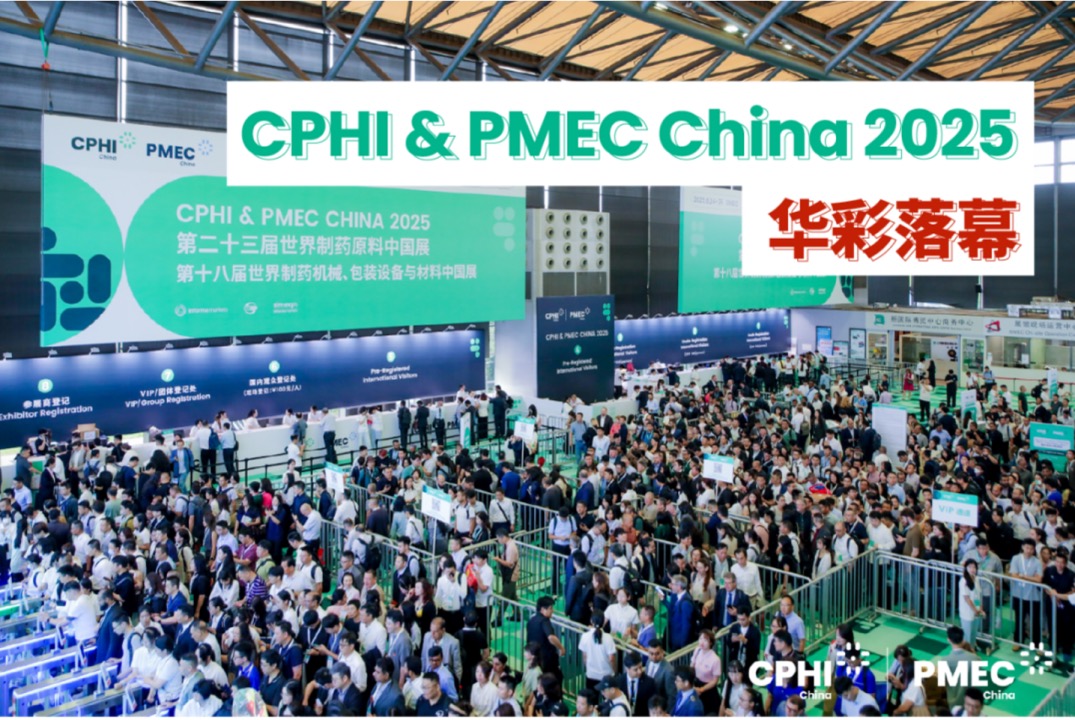
CPHI China 2025 ended successfully | Syntame talks with customers around the world about new opportunities for cooperation
CPHI China 2025 ended successfully | Syntame talks with customers around the world about new opportunities for cooperation

The company team made a stunning appearance at the 22nd World Pharmaceutical Raw Materials China Exhibition (CPHI) at the Shanghai New International Expo Centre.

No.298 Mingguang Road, Urban Industrial Park, Yinzhou District, Ningbo City, Zhejiang Province, P.R. China