

Understanding Disintegrants: Key Components in Pharmaceutical Formulation
Sep 30,2026


Disintegrants are essential excipients in the formulation of solid dosage forms, particularly tablets and capsules, where they play a pivotal role in facilitating the breakdown of the dosage form upon administration. Their primary function is to ensure rapid disintegration of the formulation in the gastrointestinal tract, which is crucial for enhancing the bioavailability of the active pharmaceutical ingredient (API).
There are various types of disintegrants, each with distinct mechanisms of action. The most commonly used disintegrants include natural substances like starch and cellulose derivatives, as well as synthetic options such as sodium starch glycolate and cross-linked polyvinylpyrrolidone. Natural disintegrants are often favored for their biocompatibility and regulatory acceptance, while synthetic variants are selected for their superior performance and consistent disintegration behavior.
The mechanism by which disintegrants operate can be broadly categorized into two primary actions: swelling and wicking. Swelling disintegrants expand significantly upon contact with moisture, generating pressure that aids in breaking apart the tablet matrix. Conversely, wicking disintegrants facilitate the absorption of water, enabling the formation of channels that further promote disintegration. Understanding these mechanisms is vital for formulators in selecting the appropriate disintegrant for a specific drug formulation.
In the context of pharmaceutical development, the choice of disintegrant is influenced by various factors, including the type of API, the desired release profile, and the overall formulation characteristics. For instance, immediate-release formulations typically require disintegrants that can rapidly promote disintegration, while modified-release formulations may utilize disintegrants that provide a controlled release profile.
Moreover, the concentration of disintegrants in a formulation can significantly affect its performance. While higher concentrations may enhance disintegration, they can also lead to adverse effects, such as decreased tablet hardness or altered dissolution profiles. Therefore, extensive pre-formulation studies and optimization are essential to achieve a balance that ensures both efficacy and stability of the final product.
In summary, disintegrants are indispensable components in the pharmaceutical industry, playing a crucial role in the formulation of solid dosage forms. A thorough understanding of the different types, mechanisms, and formulations involving disintegrants is essential for professionals in the field. By leveraging this knowledge, formulators can develop effective and reliable medicinal products that meet the therapeutic needs of patients.
There are various types of disintegrants, each with distinct mechanisms of action. The most commonly used disintegrants include natural substances like starch and cellulose derivatives, as well as synthetic options such as sodium starch glycolate and cross-linked polyvinylpyrrolidone. Natural disintegrants are often favored for their biocompatibility and regulatory acceptance, while synthetic variants are selected for their superior performance and consistent disintegration behavior.
The mechanism by which disintegrants operate can be broadly categorized into two primary actions: swelling and wicking. Swelling disintegrants expand significantly upon contact with moisture, generating pressure that aids in breaking apart the tablet matrix. Conversely, wicking disintegrants facilitate the absorption of water, enabling the formation of channels that further promote disintegration. Understanding these mechanisms is vital for formulators in selecting the appropriate disintegrant for a specific drug formulation.
In the context of pharmaceutical development, the choice of disintegrant is influenced by various factors, including the type of API, the desired release profile, and the overall formulation characteristics. For instance, immediate-release formulations typically require disintegrants that can rapidly promote disintegration, while modified-release formulations may utilize disintegrants that provide a controlled release profile.
Moreover, the concentration of disintegrants in a formulation can significantly affect its performance. While higher concentrations may enhance disintegration, they can also lead to adverse effects, such as decreased tablet hardness or altered dissolution profiles. Therefore, extensive pre-formulation studies and optimization are essential to achieve a balance that ensures both efficacy and stability of the final product.
In summary, disintegrants are indispensable components in the pharmaceutical industry, playing a crucial role in the formulation of solid dosage forms. A thorough understanding of the different types, mechanisms, and formulations involving disintegrants is essential for professionals in the field. By leveraging this knowledge, formulators can develop effective and reliable medicinal products that meet the therapeutic needs of patients.
Syntame Exhibition Tour 2026

CPHI China 2026 Concludes Successfully | Shentai Bio Will Continue to Focus on High-Content Pharmaceutical Raw Material Solutions

CPHI South East Asia 2025 comes to a successful conclusion | SYNTAME opens a new chapter in the Southeast Asian market
CPHI South East Asia 2025 comes to a successful conclusion | SYNTAME opens a new chapter in the Southeast Asian market
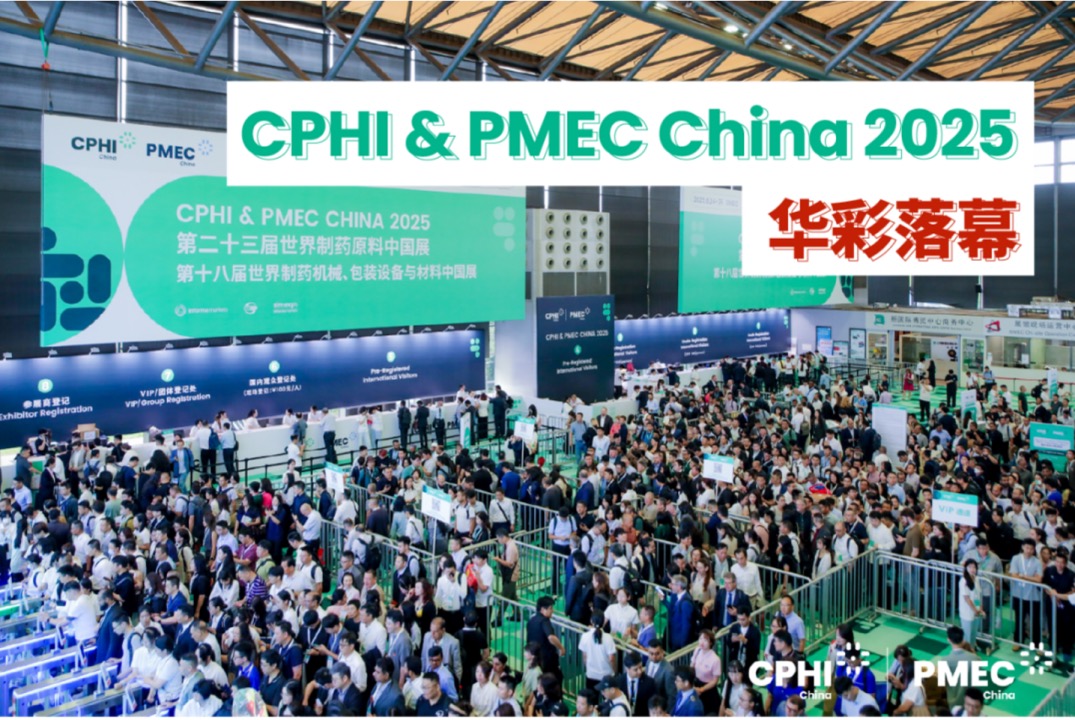
CPHI China 2025 ended successfully | Syntame talks with customers around the world about new opportunities for cooperation
CPHI China 2025 ended successfully | Syntame talks with customers around the world about new opportunities for cooperation

The company team made a stunning appearance at the 22nd World Pharmaceutical Raw Materials China Exhibition (CPHI) at the Shanghai New International Expo Centre.

No.298 Mingguang Road, Urban Industrial Park, Yinzhou District, Ningbo City, Zhejiang Province, P.R. China