
Understanding the Supply Chain of Bulk Drug Intermediates: A Comprehensive Guide
Sep 21,2026


Understanding the Supply Chain of Bulk Drug Intermediates
The pharmaceutical industry is a complex ecosystem where the supply chain of **bulk drug intermediates (BDIs)** plays a crucial role. These intermediates are essential components in the production of active pharmaceutical ingredients (APIs), and understanding their supply chain is vital for pharmaceutical companies, manufacturers, and regulatory bodies alike. In this article, we will explore the intricacies of this supply chain, covering its components, challenges, and future trends.
Table of Contents
1. Introduction to Bulk Drug Intermediates
2. Key Components of the Bulk Drug Intermediate Supply Chain
- 2.1 Manufacturers of Bulk Drug Intermediates
- 2.2 Suppliers and Raw Materials
- 2.3 Distribution Channels
3. Challenges in the Bulk Drug Intermediate Supply Chain
- 3.1 Regulatory Compliance
- 3.2 Quality Control Measures
- 3.3 Supply Chain Disruptions and Risks
4. Technological Advancements in Supply Chain Management
5. Future Trends in Bulk Drug Intermediate Supply Chain
6. Conclusion
7. Frequently Asked Questions (FAQs)
Introduction to Bulk Drug Intermediates
Bulk drug intermediates are chemical compounds that serve as precursors in the synthesis of APIs. They are produced through various chemical reactions and processes, ultimately leading to the creation of effective medications. The importance of BDIs cannot be overstated; they are critical in ensuring a steady supply of pharmaceuticals that meet the growing demands of healthcare systems worldwide.
Understanding the supply chain of these intermediates is essential to ensure that they are produced efficiently, safely, and in compliance with regulatory standards. The supply chain encompasses various stages, from raw material sourcing to manufacturing and distribution.
Key Components of the Bulk Drug Intermediate Supply Chain
The supply chain of bulk drug intermediates consists of several key components that work together to ensure the efficient production and distribution of these crucial substances.
Manufacturers of Bulk Drug Intermediates
Manufacturers play a pivotal role in the supply chain. They are responsible for producing BDIs through chemical processes that include:
- **Synthesis**: The process of creating the intermediate compounds from basic raw materials. This often involves multiple steps and can require complex equipment.
- **Quality assurance**: Manufacturers must adhere to strict quality control protocols to ensure that the BDIs meet the necessary specifications for purity and potency.
The choice of manufacturer can significantly impact the quality and reliability of the bulk drug intermediates, emphasizing the need for careful selection and collaboration.
Suppliers and Raw Materials
The sourcing of raw materials is another critical component of the supply chain. Suppliers provide the necessary chemicals that serve as the building blocks for BDIs. Key considerations for suppliers include:
- **Reliability**: Suppliers must have a proven track record of delivering quality materials consistently.
- **Sustainability**: With growing concerns about environmental impact, sourcing from suppliers who adhere to sustainable practices is becoming increasingly important.
The relationships between manufacturers and suppliers are fundamental for ensuring a seamless supply chain.
Distribution Channels
Distribution of bulk drug intermediates involves several channels that ensure the products reach their final destination, which may include pharmaceutical companies or research laboratories. Important aspects of distribution include:
- **Logistics**: Efficient transportation and storage solutions are essential to maintain the integrity of BDIs during transit.
- **Regulatory requirements**: Compliance with regulations governing the transport of chemical substances is crucial to avoid legal issues and ensure product safety.
Ensuring effective distribution channels can significantly reduce lead times and improve overall supply chain efficiency.
Challenges in the Bulk Drug Intermediate Supply Chain
While the supply chain for bulk drug intermediates is designed to function seamlessly, it faces several challenges that can disrupt operations and affect product quality.
Regulatory Compliance
The pharmaceutical industry is heavily regulated. Manufacturers must comply with various international standards, including:
- **Good Manufacturing Practices (GMP)**: These guidelines ensure that products are consistently produced and controlled according to quality standards.
- **Environmental regulations**: Compliance with environmental laws is necessary to minimize the impact of manufacturing processes on the environment.
Non-compliance can result in severe penalties, including fines and loss of licenses, making it essential for companies to stay informed about regulatory changes.
Quality Control Measures
Quality control is paramount in the production of bulk drug intermediates. Companies must implement rigorous testing protocols to ensure that:
- **Purity levels**: BDIs must meet strict purity levels to be suitable for use in pharmaceuticals.
- **Stability**: Intermediates need to be stable throughout the supply chain to prevent degradation, which can affect efficacy.
Investing in advanced quality control measures can safeguard against potential recalls or safety issues.
Supply Chain Disruptions and Risks
Supply chain disruptions can arise from various factors, including natural disasters, geopolitical tensions, and market volatility. These disruptions can lead to:
- **Manufacturing delays**: Interruptions in production can create backlogs and impact the availability of APIs.
- **Increased costs**: Supply chain disruptions can drive up costs due to the need for alternative sourcing or emergency logistics solutions.
Implementing risk management strategies is crucial to mitigate these challenges and ensure continuity in the supply chain.
Technological Advancements in Supply Chain Management
The adoption of technology is revolutionizing the supply chain for bulk drug intermediates. Some key advancements include:
- **Blockchain technology**: This technology offers enhanced transparency and traceability throughout the supply chain, allowing stakeholders to track products in real time.
- **Artificial Intelligence (AI)**: AI can optimize supply chain operations by predicting demand patterns, improving inventory management, and streamlining logistics.
By embracing these technological innovations, companies can enhance efficiency, reduce costs, and improve overall supply chain resilience.
Future Trends in Bulk Drug Intermediate Supply Chain
As the pharmaceutical industry evolves, several trends are shaping the future of the bulk drug intermediate supply chain:
- **Sustainability initiatives**: Companies are increasingly focusing on sustainable practices, such as reducing waste and carbon emissions, to align with global environmental goals.
- **Increased automation**: The use of automation in manufacturing processes can enhance efficiency and reduce human error, further optimizing the supply chain.
- **Globalization**: As pharmaceutical companies expand into emerging markets, the supply chain must adapt to new regulatory environments and cultural considerations.
Staying ahead of these trends will be vital for companies seeking to maintain a competitive edge in the pharmaceutical landscape.
Conclusion
Understanding the supply chain of bulk drug intermediates is essential for stakeholders in the pharmaceutical industry. From the manufacturers and suppliers to the distribution channels, each component plays a crucial role in ensuring the efficient production of life-saving medications. By addressing challenges, leveraging technological advancements, and adapting to future trends, companies can enhance their supply chain operations and contribute to the healthcare sector's growth.
Frequently Asked Questions (FAQs)
**Q1: What are bulk drug intermediates?**
A1: Bulk drug intermediates are chemical compounds that serve as precursors in the synthesis of active pharmaceutical ingredients (APIs).
**Q2: Why is understanding the supply chain important?**
A2: Understanding the supply chain helps ensure the efficient production, compliance with regulations, and quality of bulk drug intermediates.
**Q3: What challenges do manufacturers face in the supply chain?**
A3: Manufacturers face challenges such as regulatory compliance, quality control measures, and potential supply chain disruptions.
**Q4: How does technology impact the supply chain of bulk drug intermediates?**
A4: Technology, such as blockchain and AI, enhances transparency, optimizes operations, and improves efficiency within the supply chain.
**Q5: What future trends should companies be aware of in the supply chain?**
A5: Companies should be aware of sustainability initiatives, increased automation, and the globalization of the pharmaceutical industry as key future trends.
Syntame Exhibition Tour 2026

CPHI China 2026 Concludes Successfully | Shentai Bio Will Continue to Focus on High-Content Pharmaceutical Raw Material Solutions

CPHI South East Asia 2025 comes to a successful conclusion | SYNTAME opens a new chapter in the Southeast Asian market
CPHI South East Asia 2025 comes to a successful conclusion | SYNTAME opens a new chapter in the Southeast Asian market
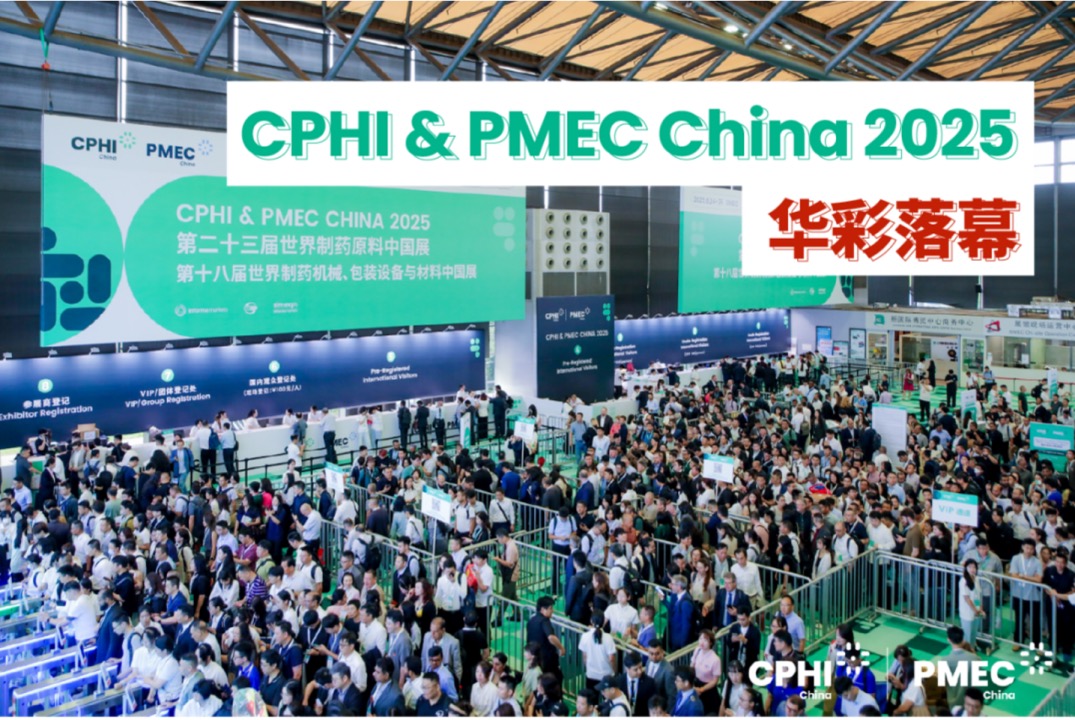
CPHI China 2025 ended successfully | Syntame talks with customers around the world about new opportunities for cooperation
CPHI China 2025 ended successfully | Syntame talks with customers around the world about new opportunities for cooperation

The company team made a stunning appearance at the 22nd World Pharmaceutical Raw Materials China Exhibition (CPHI) at the Shanghai New International Expo Centre.

No.298 Mingguang Road, Urban Industrial Park, Yinzhou District, Ningbo City, Zhejiang Province, P.R. China