

A Comprehensive Guide to Selecting the Right Disintegrant for Your Formulation
Sep 09,2026


A Comprehensive Guide to Selecting the Right Disintegrant for Your Formulation
Table of Contents
- 1. Introduction to Disintegrants in Pharma
- 2. What are Disintegrants?
- 3. Importance of Disintegrants in Pharmaceutical Formulations
- 4. Types of Disintegrants
- 5. Mechanism of Action of Disintegrants
- 6. Factors to Consider When Selecting a Disintegrant
- 7. Methods of Evaluation for Disintegrants
- 8. Conclusion
- 9. Frequently Asked Questions (FAQs)
1. Introduction to Disintegrants in Pharma
In the realm of pharmaceutical formulations, the choice of excipients plays a pivotal role in the efficacy and performance of the final product. Among these excipients, **disintegrants** hold significant importance, facilitating the breakdown of tablets into their active constituents upon administration. Selecting the right disintegrant is crucial for ensuring that the formulation meets its intended therapeutic objectives.
2. What are Disintegrants?
Disintegrants are substances added to tablet formulations to promote the disintegration of the tablet into smaller fragments when it comes into contact with moisture. This process is essential for enhancing the dissolution of the active pharmaceutical ingredient (API) and promoting absorption in the gastrointestinal tract.
3. Importance of Disintegrants in Pharmaceutical Formulations
The role of disintegrants extends beyond mere breakdown of the tablet. They contribute to:
- **Improved Bioavailability**: By ensuring rapid disintegration, disintegrants enhance the bioavailability of the API.
- **Uniformity and Consistency**: Disintegrants play a vital role in the uniformity of the tablet mixture, ensuring consistent performance across various batches.
- **Patient Compliance**: Faster disintegration translates to quicker action, improving patient experience and adherence to medication regimens.
4. Types of Disintegrants
Disintegrants can be categorized based on their origin and chemical properties. Understanding these distinctions can guide the selection process.
4.1 Natural Disintegrants
Natural disintegrants are derived from plant sources and are often favored for their biocompatibility. Examples include:
- **Starch**: A common natural disintegrant known for its swelling properties.
- **Cellulose**: Offers excellent disintegration characteristics while being non-toxic.
4.2 Synthetic Disintegrants
Synthetic disintegrants are chemically engineered substances that often provide superior performance due to their tailored properties. Common synthetic disintegrants include:
- **Sodium Starch Glycolate**: Known for its rapid disintegration characteristics in wet environments.
- **Croscarmellose Sodium**: Highly effective for fast disintegration in various formulations.
4.3 Superdisintegrants
Superdisintegrants are specialized classes of disintegrants that exhibit exceptional swelling and disintegration properties. They are typically used in lower concentrations and include:
- **Polyvinylpyrrolidone (PVP)**: Excellent for granulation processes.
- **Sodium Carboxymethyl Cellulose**: Known for its rapid disintegration and compatibility with various APIs.
5. Mechanism of Action of Disintegrants
Understanding the mechanism through which disintegrants function is essential for selecting the right type for your formulation. The disintegration process generally involves:
- **Swelling**: Disintegrants absorb water and swell, exerting pressure on the tablet matrix.
- **Capillary Action**: The presence of disintegrants creates voids within the tablet, allowing for liquid penetration.
- **Release of Entrapped Air**: This helps to break down the tablet structure and initiate disintegration.
6. Factors to Consider When Selecting a Disintegrant
When choosing a disintegrant for your formulation, several key factors should be evaluated:
6.1 Type of Formulation
The selection of a disintegrant can vary significantly depending on whether the formulation is a tablet, capsule, or granule. Each formulation type may respond differently to specific disintegrants.
6.2 Compatibility with Other Ingredients
Ensuring compatibility with the active ingredients and other excipients is vital. Incompatibility can lead to reduced efficacy or stability issues.
6.3 Regulatory Considerations
Review the regulatory guidelines relevant to the chosen disintegrant. Some disintegrants may be subject to specific regulations regarding their use in pharmaceutical products.
7. Methods of Evaluation for Disintegrants
Evaluating the performance of disintegrants is crucial for ensuring they meet the necessary criteria for effective drug delivery. Common evaluation methods include:
- **Disintegration Testing**: Measuring the time taken for a tablet to disintegrate in a specified medium.
- **Dissolution Testing**: Assessing how quickly the API is released from the disintegrated tablet.
- **Swelling Index**: Evaluating the ability of a disintegrant to absorb water and swell, which contributes to its effectiveness.
8. Conclusion
Selecting the right disintegrant is an integral part of pharmaceutical formulation development. By understanding the types, mechanisms, and factors influencing disintegration, formulators can enhance the therapeutic performance and patient compliance of their products. A careful evaluation of disintegrants will lead to more effective and reliable pharmaceutical formulations that meet the demands of diverse patient populations.
9. Frequently Asked Questions (FAQs)
What are the primary roles of disintegrants in tablet formulations?
Disintegrants are primarily responsible for ensuring that tablets break down into smaller particles upon contact with moisture, thus enhancing the dissolution and absorption of the active ingredient.
How do I determine which disintegrant is right for my formulation?
Choosing the right disintegrant involves considering the formulation type, compatibility with other ingredients, the mechanism of action, and the intended release profile of the drug.
Can I use natural disintegrants in my formulation?
Yes, natural disintegrants can be used, especially for those seeking biocompatible options. However, their performance should be evaluated against synthetic alternatives to ensure effectiveness.
What is the difference between a disintegrant and a superdisintegrant?
While both serve to promote disintegration, superdisintegrants typically provide enhanced performance, requiring lower concentrations for effective disintegration due to their superior swelling properties.
Are there any regulatory considerations I need to be aware of when choosing a disintegrant?
Yes, it is important to review the regulatory guidelines pertaining to the use of specific disintegrants, as some may have restrictions or requirements for pharmaceutical applications.
By taking the time to understand and select the appropriate disintegrant, pharmaceutical formulators can significantly improve the efficacy, safety, and patient experience of their drug products.
Syntame Exhibition Tour 2026

CPHI China 2026 Concludes Successfully | Shentai Bio Will Continue to Focus on High-Content Pharmaceutical Raw Material Solutions

CPHI South East Asia 2025 comes to a successful conclusion | SYNTAME opens a new chapter in the Southeast Asian market
CPHI South East Asia 2025 comes to a successful conclusion | SYNTAME opens a new chapter in the Southeast Asian market
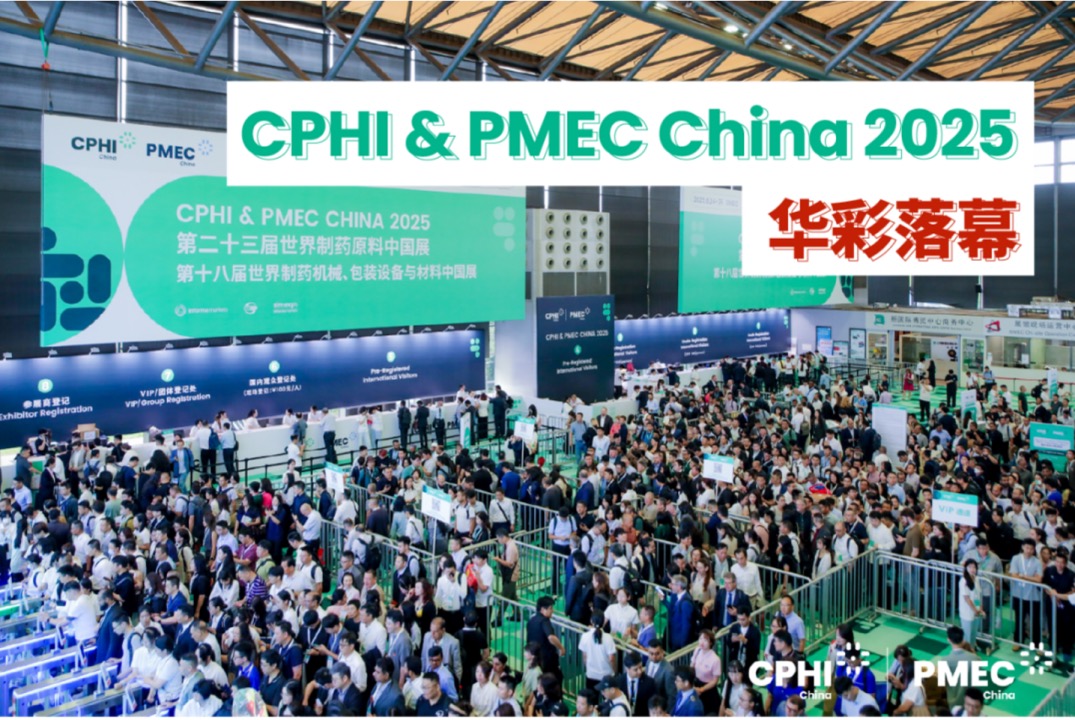
CPHI China 2025 ended successfully | Syntame talks with customers around the world about new opportunities for cooperation
CPHI China 2025 ended successfully | Syntame talks with customers around the world about new opportunities for cooperation

The company team made a stunning appearance at the 22nd World Pharmaceutical Raw Materials China Exhibition (CPHI) at the Shanghai New International Expo Centre.

No.298 Mingguang Road, Urban Industrial Park, Yinzhou District, Ningbo City, Zhejiang Province, P.R. China