

Understanding Functional Excipients: Their Role in Pharmaceutical Chemistry
Sep 06,2026


Functional excipients are crucial components in the formulation of pharmaceutical products, playing a pivotal role in enhancing the performance, stability, and delivery of active pharmaceutical ingredients (APIs). These excipients are not merely fillers; they serve specific functions that can significantly influence the pharmacokinetics and overall effectiveness of the final product.
One primary characteristic of functional excipients is their ability to improve solubility. Many APIs have poor water solubility, which can limit their bioavailability. Functional excipients, such as surfactants and solubilizers, can create favorable conditions that promote the dissolution of these poorly soluble drugs. For instance, surfactants reduce surface tension, allowing for better dispersion in liquid formulations.
Another important role of functional excipients is modifying the release rates of drugs. Controlled-release excipients can be utilized to design formulations that release the API at a predetermined rate over time, ensuring therapeutic levels are maintained longer in the bloodstream. This is particularly beneficial for chronic conditions where consistent medication levels are essential. Techniques such as matrix systems, polymer coatings, and osmotic systems leverage these excipients for optimized drug delivery.
Moreover, functional excipients play a significant role in protecting the active ingredients from degradation. Certain excipients can act as stabilizers, preventing chemical reactions that could lead to the reduction of the API's efficacy. For example, antioxidant excipients can shield sensitive compounds from oxidative degradation, while certain pH stabilizers maintain a favorable environment for the drug's stability.
Additionally, the choice of functional excipients can influence the overall patient experience. Taste-masking agents in oral formulations, for instance, can enhance compliance by improving the palatability of medications. Similarly, excipients used in topical formulations can enhance skin absorption and improve the overall sensory attributes of the product, making them more appealing to consumers.
In conclusion, functional excipients are integral to the development of effective pharmaceutical formulations. Their diverse roles—from enhancing solubility and controlling drug release to protecting active ingredients and improving patient compliance—underscore their importance in pharmaceutical chemistry. As research continues to evolve, the identification and application of new functional excipients will likely lead to innovative solutions that further enhance drug delivery and efficacy in the healthcare sector. Understanding these substances and their functionalities is essential for industry professionals aiming to develop high-quality pharmaceutical products.
One primary characteristic of functional excipients is their ability to improve solubility. Many APIs have poor water solubility, which can limit their bioavailability. Functional excipients, such as surfactants and solubilizers, can create favorable conditions that promote the dissolution of these poorly soluble drugs. For instance, surfactants reduce surface tension, allowing for better dispersion in liquid formulations.
Another important role of functional excipients is modifying the release rates of drugs. Controlled-release excipients can be utilized to design formulations that release the API at a predetermined rate over time, ensuring therapeutic levels are maintained longer in the bloodstream. This is particularly beneficial for chronic conditions where consistent medication levels are essential. Techniques such as matrix systems, polymer coatings, and osmotic systems leverage these excipients for optimized drug delivery.
Moreover, functional excipients play a significant role in protecting the active ingredients from degradation. Certain excipients can act as stabilizers, preventing chemical reactions that could lead to the reduction of the API's efficacy. For example, antioxidant excipients can shield sensitive compounds from oxidative degradation, while certain pH stabilizers maintain a favorable environment for the drug's stability.
Additionally, the choice of functional excipients can influence the overall patient experience. Taste-masking agents in oral formulations, for instance, can enhance compliance by improving the palatability of medications. Similarly, excipients used in topical formulations can enhance skin absorption and improve the overall sensory attributes of the product, making them more appealing to consumers.
In conclusion, functional excipients are integral to the development of effective pharmaceutical formulations. Their diverse roles—from enhancing solubility and controlling drug release to protecting active ingredients and improving patient compliance—underscore their importance in pharmaceutical chemistry. As research continues to evolve, the identification and application of new functional excipients will likely lead to innovative solutions that further enhance drug delivery and efficacy in the healthcare sector. Understanding these substances and their functionalities is essential for industry professionals aiming to develop high-quality pharmaceutical products.
Syntame Exhibition Tour 2026

CPHI China 2026 Concludes Successfully | Shentai Bio Will Continue to Focus on High-Content Pharmaceutical Raw Material Solutions

CPHI South East Asia 2025 comes to a successful conclusion | SYNTAME opens a new chapter in the Southeast Asian market
CPHI South East Asia 2025 comes to a successful conclusion | SYNTAME opens a new chapter in the Southeast Asian market
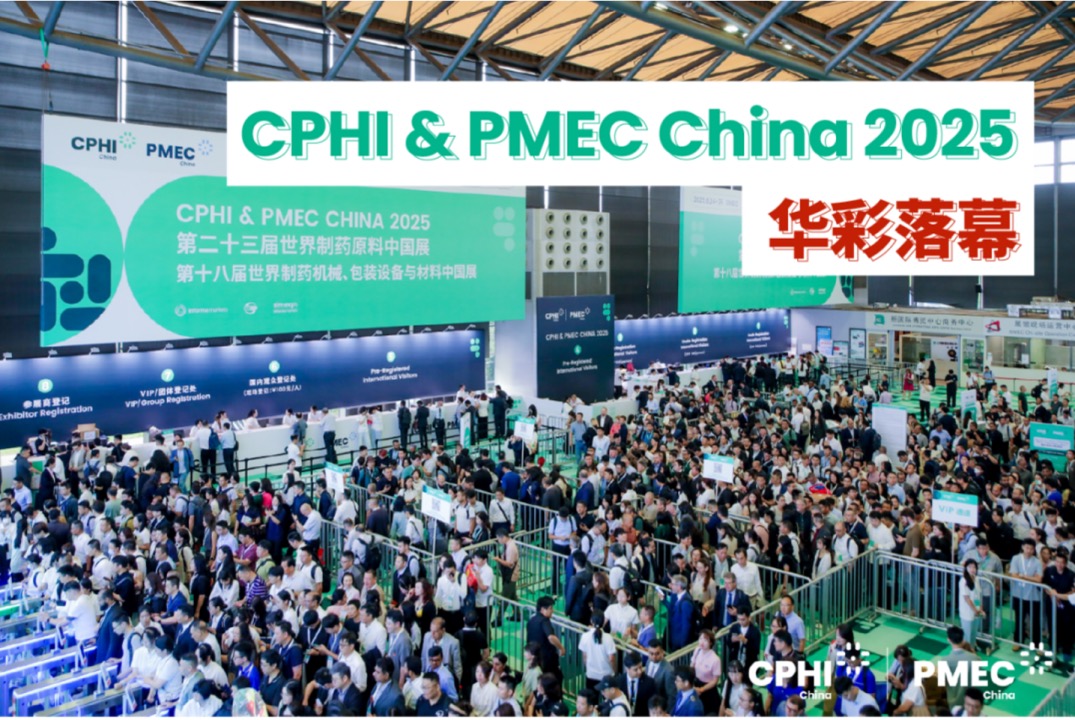
CPHI China 2025 ended successfully | Syntame talks with customers around the world about new opportunities for cooperation
CPHI China 2025 ended successfully | Syntame talks with customers around the world about new opportunities for cooperation

The company team made a stunning appearance at the 22nd World Pharmaceutical Raw Materials China Exhibition (CPHI) at the Shanghai New International Expo Centre.

No.298 Mingguang Road, Urban Industrial Park, Yinzhou District, Ningbo City, Zhejiang Province, P.R. China