
The Role of Intermediate Molecules in Enhancing Drug Quality
Sep 03,2026


The Role of Intermediate Molecules in Enhancing Drug Quality
Table of Contents
- 1. Introduction to Intermediate Molecules
- 2. Understanding Drug Development and Quality
- 3. What Are Intermediate Molecules?
- 4. The Importance of Intermediate Molecules in Drug Formulation
- 5. How Intermediate Molecules Enhance Drug Quality
- 6. Challenges in the Use of Intermediate Molecules
- 7. Regulatory Considerations for Intermediate Molecules
- 8. Future Trends in Intermediate Molecule Research
- 9. Conclusion
- 10. Frequently Asked Questions
1. Introduction to Intermediate Molecules
In the ever-evolving landscape of pharmaceuticals, **drug quality** is paramount to patient safety and treatment efficacy. A significant player in maintaining and enhancing this quality is the **intermediate molecule**. These compounds serve as crucial links in the synthesis of active pharmaceutical ingredients (APIs), ensuring the final products meet stringent safety and efficacy standards. By understanding the role of intermediate molecules, we can appreciate their impact on drug development.
2. Understanding Drug Development and Quality
The journey from a novel idea to a market-ready drug is complex and requires meticulous attention to various factors, including formulation, stability, and regulatory compliance. Drug quality encompasses all aspects of a pharmaceutical product, from its active ingredients to the excipients used in its formulation. The presence of high-quality intermediate molecules is essential in this process, as they contribute to the overall quality of the final product.
3. What Are Intermediate Molecules?
Intermediate molecules are compounds that are formed during the synthesis of an active pharmaceutical ingredient but are not themselves therapeutic agents. They play a pivotal role in the overall **synthesis process** and can significantly influence the purity, stability, and performance of the final API. These molecules act as precursors or building blocks, and understanding their chemistry and functionality is vital for effective drug development.
4. The Importance of Intermediate Molecules in Drug Formulation
Intermediate molecules contribute to drug formulation in several ways:
4.1 Quality Assurance
By utilizing high-quality intermediate molecules, pharmaceutical manufacturers can ensure that the final product adheres to strict quality standards. This leads to increased **patient safety** and improved therapeutic outcomes.
4.2 Enhanced Stability
The stability of a drug is crucial for its efficacy and shelf life. Intermediate molecules can enhance the stability of APIs by mitigating degradation pathways that may occur due to environmental factors such as light, heat, or moisture.
4.3 Improved Efficacy
Intermediate compounds can also modify the **mechanism of action** of the final drug product. By optimizing their structure, researchers can enhance the therapeutic effects of the drug, making it more effective against specific diseases.
5. How Intermediate Molecules Enhance Drug Quality
Intermediate molecules have profound implications for drug quality through various mechanisms:
5.1 Purity and Impurity Profiles
The synthesis of pharmaceuticals involves multiple steps, and each step poses a risk of introducing impurities. Intermediate molecules, when carefully controlled, can help reduce impurities in the final API, ensuring higher purity levels and compliance with regulatory standards.
5.2 Formulation Efficiency
The inclusion of intermediate molecules can streamline the production process, reducing the time and cost associated with drug manufacturing. Efficient formulations that incorporate these intermediates can lead to faster time-to-market for new therapies.
5.3 Targeted Drug Delivery
Certain intermediate molecules can be designed to facilitate targeted drug delivery. This precision enhances the drug's effectiveness while minimizing potential side effects, ultimately leading to better patient outcomes.
6. Challenges in the Use of Intermediate Molecules
Despite their advantages, the use of intermediate molecules is not without challenges:
6.1 Synthesis Complexity
The synthesis of high-quality intermediate molecules can be complex and resource-intensive. Pharmaceutical companies must employ advanced techniques and technologies to ensure the integrity of these compounds.
6.2 Regulatory Hurdles
Navigating regulatory pathways can be daunting. Companies must ensure that their intermediate molecules comply with regulatory requirements, which often necessitates extensive testing and validation.
6.3 Cost Implications
While intermediate molecules can enhance quality, they can also increase production costs. Pharmaceutical companies must balance the benefits of using these compounds against their potential financial implications.
7. Regulatory Considerations for Intermediate Molecules
Regulatory bodies, such as the FDA and EMA, impose strict guidelines on the use of intermediate molecules in drug production. Compliance with these regulations is essential for ensuring drug safety and efficacy.
7.1 Good Manufacturing Practices (GMP)
Adherence to GMP is crucial in the synthesis of intermediate molecules. These practices ensure that the intermediates are produced consistently and controlled throughout production.
7.2 Quality Control Tests
Regular quality control assessments are necessary to verify the identity, purity, and potency of intermediate molecules. These tests help maintain the integrity of the drug formulation and ensure compliance with regulations.
8. Future Trends in Intermediate Molecule Research
The field of pharmaceutical research is continuously advancing. Here are some trends we expect to see in the coming years:
8.1 Personalized Medicine
As personalized medicine becomes more prevalent, the role of intermediate molecules will grow. Tailoring intermediate compounds to individual patient needs could revolutionize drug efficacy and safety.
8.2 Green Chemistry
The push towards sustainability in drug production may lead to the development of eco-friendlier intermediate molecules. Green chemistry principles can help minimize waste and reduce the environmental footprint of pharmaceutical manufacturing.
8.3 Advanced Analytical Techniques
Emerging analytical technologies will enhance our understanding of intermediate molecules, leading to better quality control and optimization strategies in drug development.
9. Conclusion
Intermediate molecules play a vital role in enhancing the quality of pharmaceuticals. Their impact on drug formulation, stability, and efficacy cannot be overstated. As the pharmaceutical industry continues to evolve, a deeper understanding of these compounds will be essential for overcoming challenges and harnessing new opportunities in drug development.
10. Frequently Asked Questions
10.1 What are intermediate molecules in pharmaceuticals?
Intermediate molecules are compounds formed during the synthesis of active pharmaceutical ingredients and are crucial for the drug formulation process.
10.2 Why are intermediate molecules important for drug quality?
They enhance drug quality by ensuring higher purity, improving stability, and contributing to the overall efficacy of the final product.
10.3 What challenges are associated with intermediate molecules?
Challenges include synthesis complexity, regulatory hurdles, and potential cost implications.
10.4 How do regulatory bodies oversee intermediate molecules?
Regulatory bodies impose guidelines that require strict adherence to good manufacturing practices and regular quality control testing.
10.5 What future trends are emerging in the research of intermediate molecules?
Emerging trends include a focus on personalized medicine, green chemistry initiatives, and the use of advanced analytical techniques to enhance understanding and control of these compounds.
Syntame Exhibition Tour 2026

CPHI China 2026 Concludes Successfully | Shentai Bio Will Continue to Focus on High-Content Pharmaceutical Raw Material Solutions

CPHI South East Asia 2025 comes to a successful conclusion | SYNTAME opens a new chapter in the Southeast Asian market
CPHI South East Asia 2025 comes to a successful conclusion | SYNTAME opens a new chapter in the Southeast Asian market
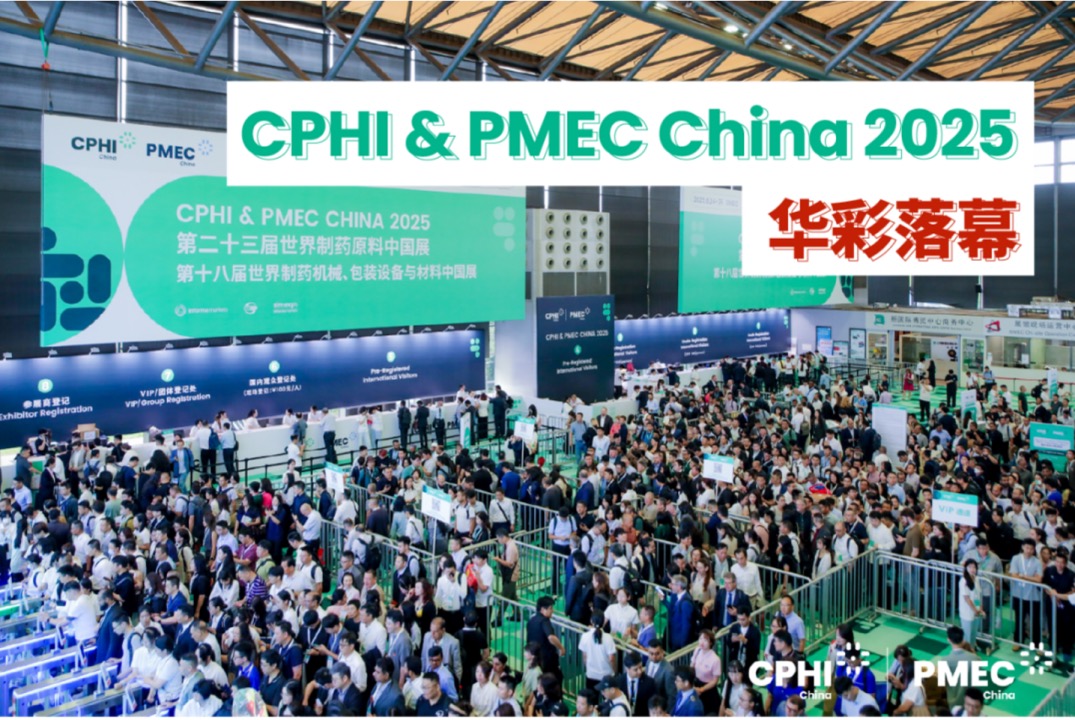
CPHI China 2025 ended successfully | Syntame talks with customers around the world about new opportunities for cooperation
CPHI China 2025 ended successfully | Syntame talks with customers around the world about new opportunities for cooperation

The company team made a stunning appearance at the 22nd World Pharmaceutical Raw Materials China Exhibition (CPHI) at the Shanghai New International Expo Centre.

No.298 Mingguang Road, Urban Industrial Park, Yinzhou District, Ningbo City, Zhejiang Province, P.R. China