
Understanding Intermediate Molecules in Pharmaceutical Development
Aug 13,2026


Intermediate molecules are essential compounds that play a pivotal role in the drug development process within the pharmaceutical industry. These molecules serve as building blocks in the synthesis of more complex medicinal compounds, facilitating the creation of effective therapeutic agents. Understanding intermediate molecules is crucial for researchers and professionals involved in drug discovery and formulation.
In the pharmaceutical realm, the journey from an initial compound to a final drug product often involves multiple stages of synthesis. Intermediate molecules are formed during various reactions and processes, providing a pathway to develop the desired active pharmaceutical ingredient (API). For instance, when synthesizing a new drug, chemists often generate intermediate molecules that undergo further transformations to enhance their efficacy, stability, or bioavailability.
One of the key advantages of utilizing intermediate molecules is their ability to streamline the drug development process. By identifying and optimizing these intermediates, researchers can enhance the yield and purity of the final product, reducing production costs and time. Furthermore, understanding the properties and reactivity of these molecules allows scientists to predict potential side effects and improve the safety profile of the drug.
In addition, intermediate molecules can serve as important tools for medicinal chemistry. They help in elucidating structure-activity relationships (SAR), enabling researchers to make informed modifications to molecular structures to improve therapeutic effects. By studying how variations in intermediate molecules affect biological activity, scientists can design more potent and selective drugs.
Another notable aspect of intermediate molecules is their role in the development of generic drugs. When a brand-name drug loses its patent protection, generic manufacturers often need to synthesize the same active ingredient. Understanding the intermediates involved in the original synthesis can guide these manufacturers in developing a cost-effective and efficient production process, ensuring that patients have access to essential medications.
Moreover, intermediate molecules are not only limited to small molecule drugs; they also find applications in biologics and advanced therapy medicinal products (ATMPs). In the case of biologics, for instance, the production process often involves several intermediate stages, where understanding these intermediates is key to ensuring the quality and efficacy of the final product.
In conclusion, intermediate molecules are integral to the pharmaceutical landscape, influencing everything from drug synthesis to safety and efficacy. By gaining a deeper understanding of these compounds, professionals in the medical and pharmaceutical fields can enhance their development processes, leading to better therapeutic options for patients. As the industry continues to evolve, the importance of intermediate molecules will only become more pronounced, making it essential for researchers to stay informed about their properties and applications.
Syntame Exhibition Tour 2026

CPHI China 2026 Concludes Successfully | Shentai Bio Will Continue to Focus on High-Content Pharmaceutical Raw Material Solutions
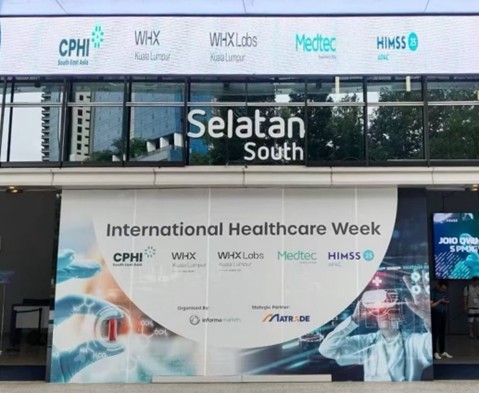
CPHI South East Asia 2025 comes to a successful conclusion | SYNTAME opens a new chapter in the Southeast Asian market
CPHI South East Asia 2025 comes to a successful conclusion | SYNTAME opens a new chapter in the Southeast Asian market
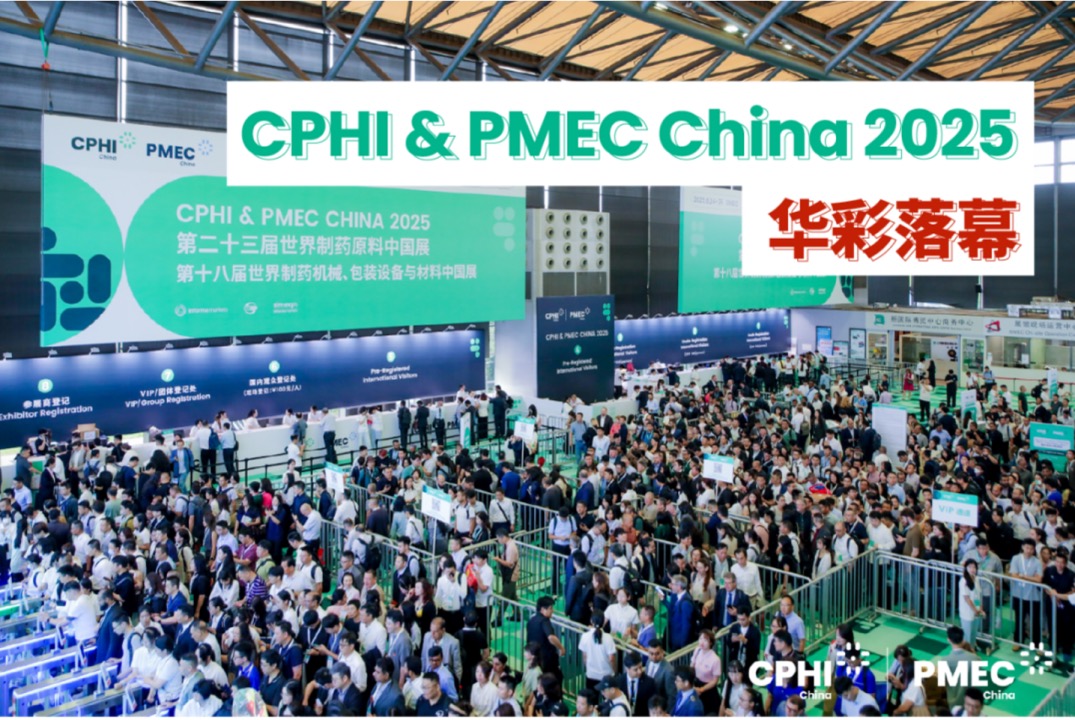
CPHI China 2025 ended successfully | Syntame talks with customers around the world about new opportunities for cooperation
CPHI China 2025 ended successfully | Syntame talks with customers around the world about new opportunities for cooperation

The company team made a stunning appearance at the 22nd World Pharmaceutical Raw Materials China Exhibition (CPHI) at the Shanghai New International Expo Centre.

No.298 Mingguang Road, Urban Industrial Park, Yinzhou District, Ningbo City, Zhejiang Province, P.R. China