

The Science Behind Disintegrants: Enhancing Drug Solubility for Optimal Therapeutic Efficacy
Jul 29,2026


The Science Behind Disintegrants: Enhancing Drug Solubility
Table of Contents
1. Introduction to Disintegrants and Their Role in Drug Formulation
2. What Are Disintegrants?
3. Importance of Disintegrants in Pharmaceuticals
4. Mechanism of Action of Disintegrants
5. Types of Disintegrants Used in Pharmaceuticals
- 5.1 Natural Disintegrants
- 5.2 Synthetic Disintegrants
6. Properties of Effective Disintegrants
7. Innovations in Disintegrant Technology
8. Challenges and Future Directions in Disintegrant Development
9. Conclusion
10. Frequently Asked Questions
Introduction to Disintegrants and Their Role in Drug Formulation
In the complex world of pharmaceuticals, drug solubility is a critical factor influencing bioavailability and therapeutic efficacy. Disintegrants play an essential role in enhancing drug solubility by facilitating the breakdown of solid dosage forms into smaller particles that dissolve more readily in bodily fluids. This article delves into the science behind disintegrants, their mechanisms of action, and their significance in pharmaceutical formulations.
What Are Disintegrants?
Disintegrants are excipients added to pharmaceutical formulations to promote the disintegration of tablets or capsules in an aqueous environment. When a tablet or capsule is ingested, disintegrants absorb water, swell, and ultimately break the dosage form into smaller granules. This process accelerates the release of the active pharmaceutical ingredient (API) into the solution, thereby enhancing drug absorption.
Importance of Disintegrants in Pharmaceuticals
The inclusion of disintegrants in pharmaceutical formulations serves multiple purposes:
1. **Improved Bioavailability**: Disintegrants increase the surface area of drugs, allowing for faster dissolution and absorption in the gastrointestinal tract. This is particularly crucial for poorly soluble drugs.
2. **Enhanced Patient Compliance**: Tablets that disintegrate quickly and easily improve the patient experience, making medication adherence more likely. Patients prefer formulations that are easy to swallow and digest.
3. **Uniformity and Stability**: Disintegrants contribute to the overall stability and uniformity of the dosage form, ensuring consistent release profiles and therapeutic effects.
Mechanism of Action of Disintegrants
Disintegrants operate through several mechanisms to facilitate the breakdown of solid forms:
1. **Swelling**: Many disintegrants are hydrophilic and swell upon contact with water. This swelling creates pressure within the tablet matrix, leading to disintegration.
2. **Capillary Action**: In certain formulations, disintegrants generate a capillary action that draws liquid into the dosage form, promoting disintegration.
3. **Chemical Reaction**: Some disintegrants undergo chemical reactions upon contact with water, releasing gas or creating a gel-like structure that aids in disintegration.
Types of Disintegrants Used in Pharmaceuticals
There are primarily two categories of disintegrants: natural and synthetic. Each type has its unique properties and applications.
Natural Disintegrants
Natural disintegrants are derived from plant or animal sources and are often preferred for their biocompatibility and safety. Common examples include:
- **Starch**: A widely used natural disintegrant that swells upon hydration.
- **Cellulose**: Microcrystalline cellulose is a popular choice due to its excellent swelling properties and ability to enhance tablet hardness.
- **Gums**: Various plant gums, such as guar gum and xanthan gum, exhibit effective disintegration capabilities.
Synthetic Disintegrants
Synthetic disintegrants are chemically engineered to provide specific functionalities. They are often used in formulations requiring faster disintegration. Examples include:
- **Sodium Starch Glycolate**: A popular synthetic disintegrant that provides rapid disintegration.
- **Croscarmellose Sodium**: Known for its high swelling capacity and rapid disintegration properties.
- **Polyvinylpyrrolidone (PVP)**: Often used in combination with other excipients to enhance tablet disintegration.
Properties of Effective Disintegrants
For disintegrants to be effective, they should possess certain characteristics:
1. **Swelling Capacity**: Effective disintegrants should have the ability to swell significantly upon contact with water, promoting rapid disintegration.
2. **Porosity**: High porosity allows for the easy penetration of liquids, facilitating quicker disintegration.
3. **Compatibility**: Disintegrants must be compatible with the active ingredients and other excipients in the formulation to prevent adverse reactions.
4. **Non-toxic**: Safety is paramount; therefore, disintegrants should not have toxic effects on the human body.
Innovations in Disintegrant Technology
Recent advancements in disintegrant technology focus on improving performance and functionality:
1. **Smart Disintegrants**: Researchers are developing smart disintegrants that respond to specific stimuli, such as pH or temperature, to optimize drug release.
2. **Nanotechnology**: The incorporation of nanomaterials into disintegrants enhances their performance by increasing surface area and reactivity.
3. **Sustainable Disintegrants**: There is a growing emphasis on developing eco-friendly and sustainable disintegrants to reduce environmental impact.
Challenges and Future Directions in Disintegrant Development
While disintegrants play a vital role in pharmaceutical formulations, several challenges persist:
1. **Solubility Issues**: The solubility of certain disintegrants can be limited, affecting their performance in specific formulations.
2. **Regulatory Hurdles**: The approval process for new disintegrants can be complex and time-consuming, affecting innovation.
3. **Formulation Variability**: Formulations may exhibit variability in disintegration performance based on environmental conditions, necessitating rigorous testing.
Future research is focused on addressing these challenges through the development of more efficient, safer, and environmentally friendly disintegrants.
Conclusion
Disintegrants are fundamental components in pharmaceutical formulations, significantly enhancing drug solubility and bioavailability. By facilitating the disintegration process, these excipients ensure that active ingredients are released quickly and effectively, ultimately improving patient outcomes. As the pharmaceutical industry continues to evolve, the development of innovative disintegrant technologies holds promise for creating more effective and safer medications.
Frequently Asked Questions
1. **What are disintegrants used for in pharmaceuticals?**
Disintegrants are added to tablets and capsules to promote their breakdown in the digestive system, enhancing drug absorption.
2. **How do disintegrants enhance drug solubility?**
Disintegrants increase the surface area of the drug, allowing it to dissolve more quickly in bodily fluids.
3. **What are the different types of disintegrants?**
There are natural disintegrants, such as starch and cellulose, and synthetic disintegrants, including sodium starch glycolate and croscarmellose sodium.
4. **Are natural disintegrants better than synthetic ones?**
It depends on the formulation. Natural disintegrants are biocompatible and safe, while synthetic ones may provide faster disintegration.
5. **What challenges are faced in disintegrant development?**
Challenges include limited solubility, regulatory hurdles, and variability in formulation performance based on environmental conditions.
By understanding the science behind disintegrants, pharmaceutical professionals can develop more effective drug formulations that meet patient needs and improve therapeutic outcomes.
Syntame Exhibition Tour 2026

CPHI China 2026 Concludes Successfully | Shentai Bio Will Continue to Focus on High-Content Pharmaceutical Raw Material Solutions

CPHI South East Asia 2025 comes to a successful conclusion | SYNTAME opens a new chapter in the Southeast Asian market
CPHI South East Asia 2025 comes to a successful conclusion | SYNTAME opens a new chapter in the Southeast Asian market
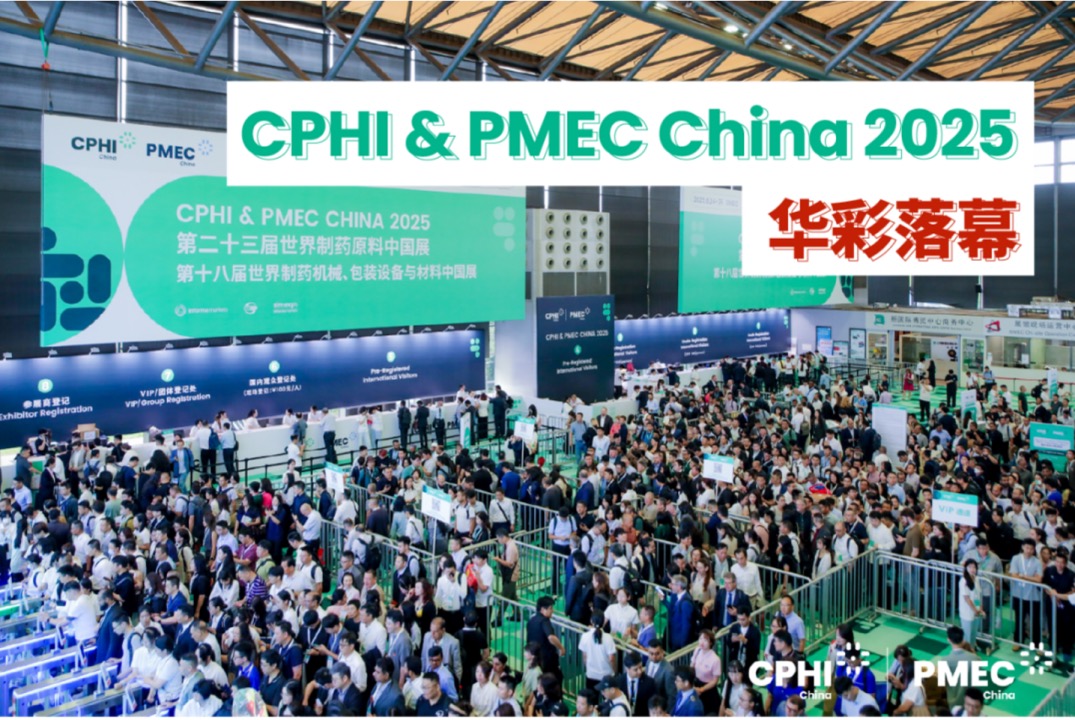
CPHI China 2025 ended successfully | Syntame talks with customers around the world about new opportunities for cooperation
CPHI China 2025 ended successfully | Syntame talks with customers around the world about new opportunities for cooperation

The company team made a stunning appearance at the 22nd World Pharmaceutical Raw Materials China Exhibition (CPHI) at the Shanghai New International Expo Centre.

No.298 Mingguang Road, Urban Industrial Park, Yinzhou District, Ningbo City, Zhejiang Province, P.R. China