

Unlocking the Potential of Functional Excipients in Pharmaceutical Development
Jul 26,2026


Functional excipients are an integral part of pharmaceutical formulation, serving as non-active ingredients that enhance the efficacy, stability, and overall performance of the drug products. Their importance cannot be overstated, as they contribute significantly to the quality and effectiveness of pharmaceutical formulations. Understanding the diverse roles and applications of functional excipients can offer valuable insights for professionals in the pharmaceutical and medicinal chemistry sectors.
One of the primary functions of functional excipients is to act as binding agents. They help maintain the integrity of solid dosage forms, ensuring that tablets and capsules can withstand manufacturing processes and maintain stability during storage. Common binding agents include cellulose derivatives and starches, which help achieve the desired mechanical strength and disintegration properties.
Additionally, functional excipients play a crucial role in controlling the release of active pharmaceutical ingredients (APIs). The design of controlled-release formulations can significantly improve therapeutic outcomes by prolonging drug action and reducing the frequency of dosing. Excipients such as polymers and lipid-based materials are often used to modulate drug release profiles, allowing for better patient compliance and enhanced bioavailability.
Moreover, functional excipients contribute to solubility enhancement, particularly for poorly soluble drugs. Techniques such as solid dispersion, where the drug is dispersed in a polymer matrix, can dramatically improve the solubility and absorption of these challenging compounds. Surfactants and emulsifiers are other examples of excipients that can enhance solubility and stability in liquid formulations, ensuring that patients receive the full benefit of their medications.
Stability is another critical aspect where functional excipients prove their worth. Many drugs are susceptible to degradation due to environmental factors such as moisture, light, and temperature. Excipients like antioxidants and preservatives can be incorporated into formulations to protect the active ingredients from degradation, ensuring a longer shelf life and consistent therapeutic effect.
Moreover, functional excipients can also improve the sensory attributes of pharmaceutical products. For instance, flavoring agents and coloring agents can enhance the palatability of oral formulations, making them more acceptable to patients, especially children. This aspect of formulation design is essential in fostering adherence to prescribed regimens.
In conclusion, the strategic selection and application of functional excipients are vital in optimizing pharmaceutical formulations. Their ability to enhance the functional properties of drug products not only contributes to improved therapeutic outcomes but also addresses the challenges faced in drug delivery and patient compliance. As the pharmaceutical industry continues to advance, understanding the role of functional excipients will remain imperative for developing innovative and effective medicinal products.
One of the primary functions of functional excipients is to act as binding agents. They help maintain the integrity of solid dosage forms, ensuring that tablets and capsules can withstand manufacturing processes and maintain stability during storage. Common binding agents include cellulose derivatives and starches, which help achieve the desired mechanical strength and disintegration properties.
Additionally, functional excipients play a crucial role in controlling the release of active pharmaceutical ingredients (APIs). The design of controlled-release formulations can significantly improve therapeutic outcomes by prolonging drug action and reducing the frequency of dosing. Excipients such as polymers and lipid-based materials are often used to modulate drug release profiles, allowing for better patient compliance and enhanced bioavailability.
Moreover, functional excipients contribute to solubility enhancement, particularly for poorly soluble drugs. Techniques such as solid dispersion, where the drug is dispersed in a polymer matrix, can dramatically improve the solubility and absorption of these challenging compounds. Surfactants and emulsifiers are other examples of excipients that can enhance solubility and stability in liquid formulations, ensuring that patients receive the full benefit of their medications.
Stability is another critical aspect where functional excipients prove their worth. Many drugs are susceptible to degradation due to environmental factors such as moisture, light, and temperature. Excipients like antioxidants and preservatives can be incorporated into formulations to protect the active ingredients from degradation, ensuring a longer shelf life and consistent therapeutic effect.
Moreover, functional excipients can also improve the sensory attributes of pharmaceutical products. For instance, flavoring agents and coloring agents can enhance the palatability of oral formulations, making them more acceptable to patients, especially children. This aspect of formulation design is essential in fostering adherence to prescribed regimens.
In conclusion, the strategic selection and application of functional excipients are vital in optimizing pharmaceutical formulations. Their ability to enhance the functional properties of drug products not only contributes to improved therapeutic outcomes but also addresses the challenges faced in drug delivery and patient compliance. As the pharmaceutical industry continues to advance, understanding the role of functional excipients will remain imperative for developing innovative and effective medicinal products.
Syntame Exhibition Tour 2026

CPHI China 2026 Concludes Successfully | Shentai Bio Will Continue to Focus on High-Content Pharmaceutical Raw Material Solutions

CPHI South East Asia 2025 comes to a successful conclusion | SYNTAME opens a new chapter in the Southeast Asian market
CPHI South East Asia 2025 comes to a successful conclusion | SYNTAME opens a new chapter in the Southeast Asian market
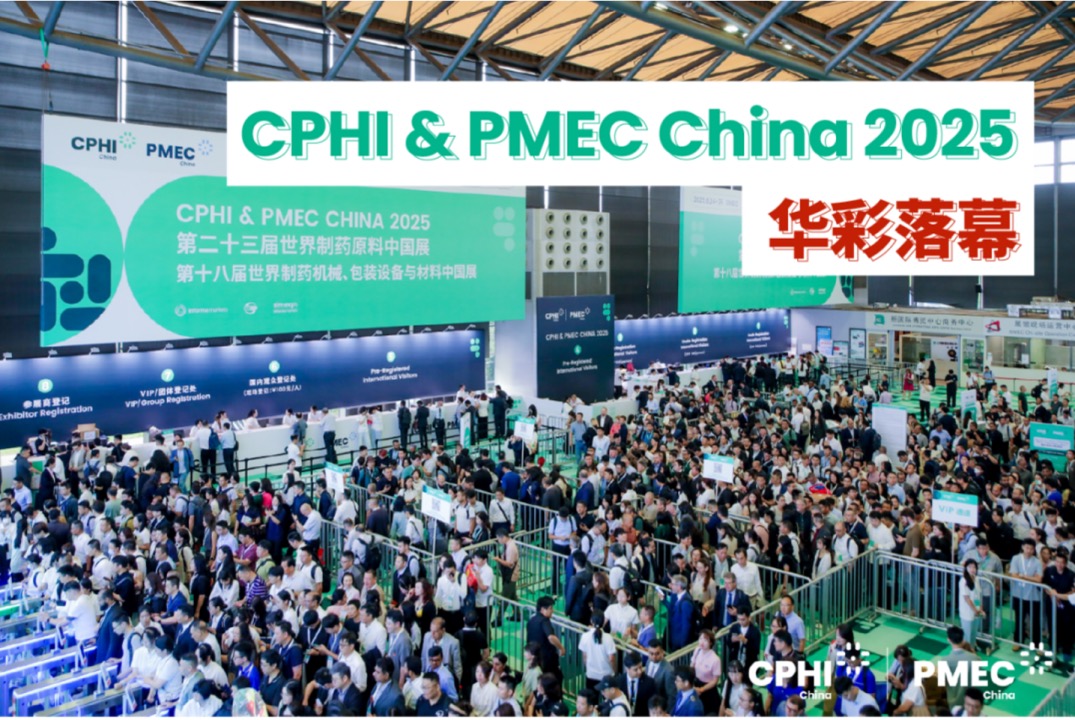
CPHI China 2025 ended successfully | Syntame talks with customers around the world about new opportunities for cooperation
CPHI China 2025 ended successfully | Syntame talks with customers around the world about new opportunities for cooperation

The company team made a stunning appearance at the 22nd World Pharmaceutical Raw Materials China Exhibition (CPHI) at the Shanghai New International Expo Centre.

No.298 Mingguang Road, Urban Industrial Park, Yinzhou District, Ningbo City, Zhejiang Province, P.R. China