
Intermediate Molecules: Driving Therapeutic Innovations in Healthcare
Jul 23,2026


Intermediate Molecules: Driving Therapeutic Innovations in Healthcare
Table of Contents
- What Are Intermediate Molecules?
- The Importance of Intermediate Molecules in Drug Development
- Key Characteristics of Intermediate Molecules
- Applications of Intermediate Molecules in Therapeutics
- The Role of Intermediate Molecules in Biotechnology
- Case Studies and Success Stories
- Future Trends and Innovations Involving Intermediate Molecules
- Frequently Asked Questions
What Are Intermediate Molecules?
Intermediate molecules are chemical compounds that play a crucial role in the synthesis of active pharmaceutical ingredients (APIs). These substances serve as precursors or building blocks in the development of more complex drugs. As versatile entities, they facilitate numerous chemical reactions, enabling the transformation of simple compounds into highly functional pharmaceutical agents. Their significance cannot be overstated, as they contribute to the efficiency, safety, and efficacy of drugs that reach the market.
The Importance of Intermediate Molecules in Drug Development
Intermediate molecules are essential in drug development for several reasons:
- Cost-Effectiveness: By using intermediate molecules, pharmaceutical companies can streamline the synthesis process, reducing production costs significantly.
- Enhanced Efficacy: The strategic use of intermediates can improve the pharmacological properties of the final drug products, increasing their therapeutic potential.
- Regulatory Compliance: Intermediate molecules often meet specific regulatory standards, ensuring that the final product complies with safety and efficacy requirements.
- Flexible Development: The ability to modify intermediates allows for rapid adaptation to scientific advancements and market demands.
Key Characteristics of Intermediate Molecules
Understanding the characteristics of intermediate molecules is vital for leveraging their potential in drug development:
- Reactivity: Intermediate molecules exhibit unique reactivity patterns, allowing them to participate in specific chemical reactions that lead to the formation of desired products.
- Stability: These molecules must maintain stability under various conditions to ensure successful synthesis and storage.
- Functional Diversity: Intermediate molecules can possess diverse functional groups, making them adaptable for incorporation into various chemical structures.
- Scalability: The synthesis route for intermediate molecules must be scalable, facilitating their production on an industrial scale.
Applications of Intermediate Molecules in Therapeutics
Intermediate molecules find applications across various therapeutic areas:
- Antibiotics: Many antibiotics are synthesized using intermediate molecules that enhance their antibacterial properties, ultimately improving patient outcomes.
- Oncology: In cancer treatment, intermediate molecules serve as crucial compounds that form the basis for targeted therapies.
- Cardiovascular Drugs: Intermediate molecules are integral in developing cardiovascular medications that manage heart diseases effectively.
- CNS Agents: Central nervous system agents often utilize intermediate compounds to enhance their efficacy and minimize side effects.
The Role of Intermediate Molecules in Biotechnology
Intermediate molecules are pivotal in the field of biotechnology, where they facilitate:
- Biocatalysis: Intermediate molecules play a key role in biocatalytic processes, allowing for efficient transformation of substrates into valuable products.
- Gene Therapy: They are instrumental in developing vectors for gene therapy, which can potentially cure genetic disorders.
- Vaccine Development: The synthesis of vaccine components often involves intermediate molecules that enhance immunogenicity.
Case Studies and Success Stories
Numerous case studies highlight the successful application of intermediate molecules in therapeutic innovations:
- Case Study 1: Penicillin Synthesis - The development of penicillin involved various intermediate molecules, showcasing how strategic synthesis can lead to groundbreaking antibiotics.
- Case Study 2: Targeted Cancer Therapies - Intermediate molecules have been used to create targeted therapies for specific cancer types, resulting in improved patient survival rates.
- Case Study 3: Antivirals for COVID-19 - Research during the COVID-19 pandemic demonstrated the role of intermediate molecules in rapidly developing effective antiviral agents.
Future Trends and Innovations Involving Intermediate Molecules
The future of intermediate molecules in drug development is promising, with several trends emerging:
- Artificial Intelligence: AI is expected to revolutionize the identification and optimization of intermediate molecules, speeding up the drug discovery process.
- Green Chemistry: The emphasis on sustainable practices will drive the development of eco-friendly synthesis methods for intermediate molecules.
- Personalized Medicine: The use of intermediate molecules will increasingly support the creation of personalized therapies that cater to individual patient profiles.
Frequently Asked Questions
1. What role do intermediate molecules play in drug synthesis?
Intermediate molecules act as essential building blocks in the synthesis of active pharmaceutical ingredients, facilitating efficient chemical reactions and enhancing the overall efficacy of drugs.
2. How do intermediate molecules improve drug efficacy?
By serving as precursors that optimize the chemical structure of therapeutic compounds, intermediate molecules can enhance bioavailability, stability, and the overall therapeutic profile of the final product.
3. Are intermediate molecules used in vaccine development?
Yes, intermediate molecules are crucial in the synthesis of vaccine components, helping to improve their immunogenicity and efficacy.
4. What are some examples of diseases treated with drugs developed from intermediate molecules?
Drugs synthesized from intermediate molecules are used to treat a variety of conditions, including bacterial infections, cancer, cardiovascular diseases, and neurological disorders.
5. How will AI impact the future of intermediate molecule development?
AI technologies are expected to enhance the identification and optimization processes for intermediate molecules, leading to faster and more efficient drug discovery and development.
Conclusion
Intermediate molecules are more than just chemical compounds; they are the backbone of therapeutic innovations that have transformed healthcare. Their diverse applications, combined with their ability to enhance drug efficacy and streamline synthesis processes, position them as vital players in the pharmaceutical landscape. As the industry continues to evolve, the role of intermediate molecules will undoubtedly expand, paving the way for new frontiers in drug development and patient care. The integration of cutting-edge technologies and sustainable practices will further amplify their potential, marking an exciting era of medical advancements driven by these essential compounds.
Syntame Exhibition Tour 2026

CPHI China 2026 Concludes Successfully | Shentai Bio Will Continue to Focus on High-Content Pharmaceutical Raw Material Solutions

CPHI South East Asia 2025 comes to a successful conclusion | SYNTAME opens a new chapter in the Southeast Asian market
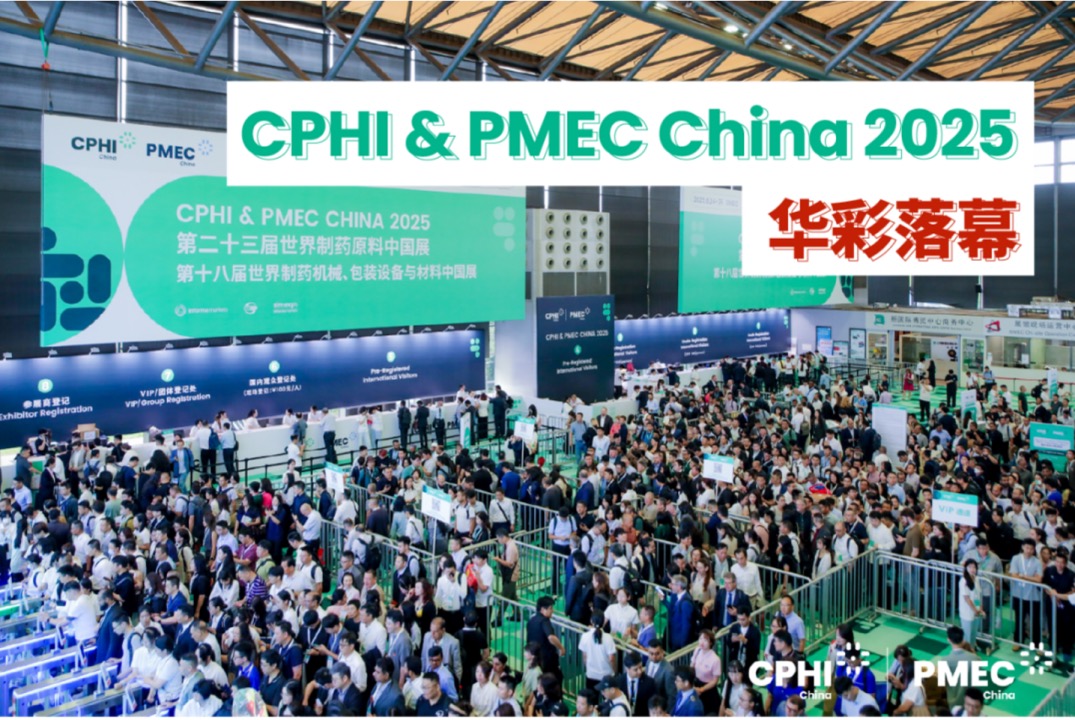
CPHI China 2025 ended successfully | Syntame talks with customers around the world about new opportunities for cooperation

The company team made a stunning appearance at the 22nd World Pharmaceutical Raw Materials China Exhibition (CPHI) at the Shanghai New International Expo Centre.

No.298 Mingguang Road, Urban Industrial Park, Yinzhou District, Ningbo City, Zhejiang Province, P.R. China