

The Essential Role of Disintegrants in Pharmaceutical Formulations
Jul 08,2026


Disintegrants play a pivotal role in the formulation of various pharmaceutical products, particularly solid dosage forms like tablets and capsules. Their primary function is to facilitate the breakdown of these dosage forms into smaller particles upon contact with fluids in the gastrointestinal tract. This process is essential for ensuring that the active ingredients are released and absorbed effectively, leading to the desired therapeutic outcomes.
There are several types of disintegrants, categorized based on their mechanism of action. Starch-based disintegrants, such as pregelatinized starch, are commonly used due to their ability to swell and absorb water, which helps break apart the tablet matrix. Other examples include cellulose-based disintegrants, which function by creating a porous structure that promotes rapid disintegration. Synthetic disintegrants, like sodium starch glycolate and croscarmellose sodium, are also popular choices, prized for their efficiency and reliability.
The mechanism of action of disintegrants can vary significantly. For instance, swelling disintegrants absorb water, causing the tablet to expand and eventually break apart. In contrast, certain disintegrants operate by promoting capillary action, where the liquid penetrates the tablet, leading to rapid disintegration. Understanding these mechanisms is crucial for formulators aiming to optimize drug delivery systems.
In the pharmaceutical industry, the choice of disintegrant can significantly impact not only the disintegration time but also the overall bioavailability of the drug. An effective disintegrant must be compatible with the other excipients in the formulation and should not adversely affect the stability of the active pharmaceutical ingredient. Therefore, extensive compatibility testing is often performed during the development phase to ensure that the chosen disintegrant contributes positively to the formulation.
Furthermore, regulatory guidelines require that disintegrants are safe for ingestion and do not produce any harmful effects when consumed. Manufacturers must adhere to these stringent standards, ensuring that all components, including disintegrants, meet safety and efficacy criteria established by health authorities.
In summary, disintegrants are essential components in the formulation of pharmaceutical products, particularly in optimizing the release and absorption of active ingredients. By understanding the various types and mechanisms of these excipients, professionals in the pharmaceutical sector can enhance the effectiveness of their products, leading to better patient outcomes. As the industry continues to evolve, ongoing research into new disintegrant materials and technologies will likely further improve drug formulation practices.
There are several types of disintegrants, categorized based on their mechanism of action. Starch-based disintegrants, such as pregelatinized starch, are commonly used due to their ability to swell and absorb water, which helps break apart the tablet matrix. Other examples include cellulose-based disintegrants, which function by creating a porous structure that promotes rapid disintegration. Synthetic disintegrants, like sodium starch glycolate and croscarmellose sodium, are also popular choices, prized for their efficiency and reliability.
The mechanism of action of disintegrants can vary significantly. For instance, swelling disintegrants absorb water, causing the tablet to expand and eventually break apart. In contrast, certain disintegrants operate by promoting capillary action, where the liquid penetrates the tablet, leading to rapid disintegration. Understanding these mechanisms is crucial for formulators aiming to optimize drug delivery systems.
In the pharmaceutical industry, the choice of disintegrant can significantly impact not only the disintegration time but also the overall bioavailability of the drug. An effective disintegrant must be compatible with the other excipients in the formulation and should not adversely affect the stability of the active pharmaceutical ingredient. Therefore, extensive compatibility testing is often performed during the development phase to ensure that the chosen disintegrant contributes positively to the formulation.
Furthermore, regulatory guidelines require that disintegrants are safe for ingestion and do not produce any harmful effects when consumed. Manufacturers must adhere to these stringent standards, ensuring that all components, including disintegrants, meet safety and efficacy criteria established by health authorities.
In summary, disintegrants are essential components in the formulation of pharmaceutical products, particularly in optimizing the release and absorption of active ingredients. By understanding the various types and mechanisms of these excipients, professionals in the pharmaceutical sector can enhance the effectiveness of their products, leading to better patient outcomes. As the industry continues to evolve, ongoing research into new disintegrant materials and technologies will likely further improve drug formulation practices.
Syntame Exhibition Tour 2026

CPHI China 2026 Concludes Successfully | Shentai Bio Will Continue to Focus on High-Content Pharmaceutical Raw Material Solutions

CPHI South East Asia 2025 comes to a successful conclusion | SYNTAME opens a new chapter in the Southeast Asian market
CPHI South East Asia 2025 comes to a successful conclusion | SYNTAME opens a new chapter in the Southeast Asian market
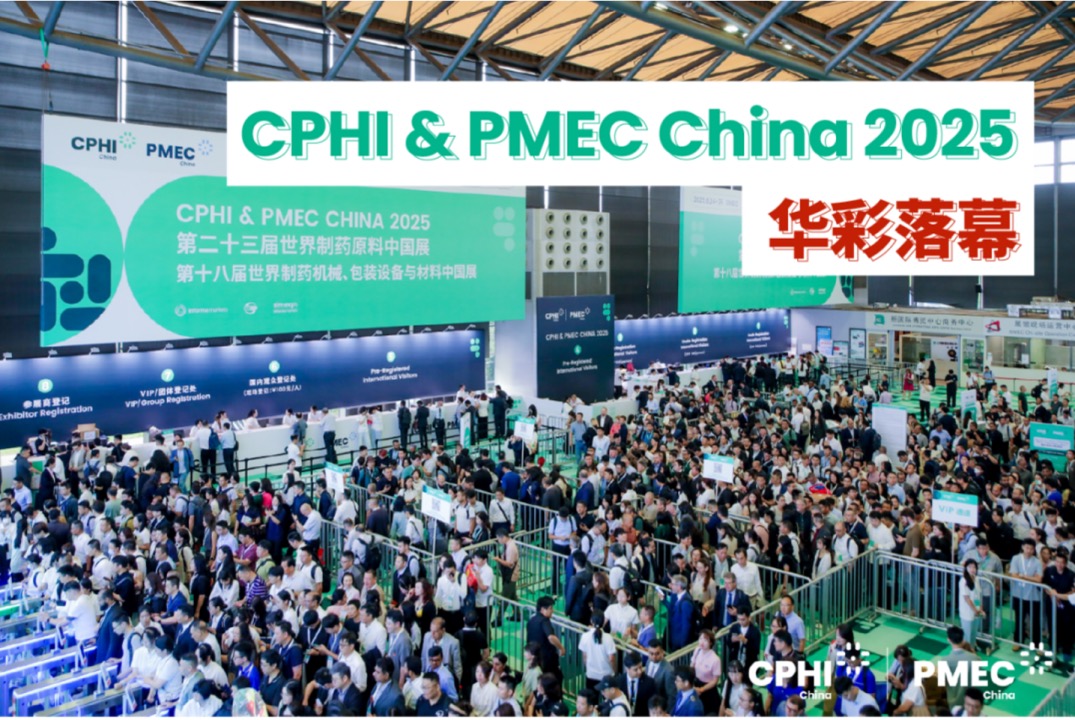
CPHI China 2025 ended successfully | Syntame talks with customers around the world about new opportunities for cooperation
CPHI China 2025 ended successfully | Syntame talks with customers around the world about new opportunities for cooperation

The company team made a stunning appearance at the 22nd World Pharmaceutical Raw Materials China Exhibition (CPHI) at the Shanghai New International Expo Centre.

No.298 Mingguang Road, Urban Industrial Park, Yinzhou District, Ningbo City, Zhejiang Province, P.R. China