
Exploring Intermediate Molecules: Their Role in Pharmaceutical Development
Jul 02,2026


Intermediate molecules play a pivotal role in the pharmaceutical industry, serving as crucial components in the synthesis and development of medicinal compounds. These molecules are often generated during the chemical reactions that lead to the final active pharmaceutical ingredients (APIs). Understanding intermediate molecules is vital for pharmaceutical professionals seeking to optimize drug development processes and enhance the efficacy of therapeutic agents.
In the context of drug synthesis, intermediate molecules can be viewed as the building blocks that facilitate the construction of complex drug compounds. They are often characterized by distinct chemical properties that can affect the overall stability, bioavailability, and therapeutic efficacy of the final product. By gaining insights into the behavior and characteristics of these intermediates, researchers can make informed decisions about reaction conditions and purification protocols, ultimately leading to more efficient and cost-effective production of drugs.
Moreover, intermediate molecules can also play a significant role in the optimization of drug formulations. By studying how various intermediates interact with other components in a formulation, such as excipients or stabilizers, pharmaceutical scientists can enhance the performance of the final product. This can lead to improved patient outcomes by ensuring that the medication is delivered effectively and safely.
However, the synthesis of intermediate molecules is not without its challenges. The complexity of chemical reactions, potential for side reactions, and the need for precise control over reaction conditions can complicate their production. Furthermore, regulatory considerations regarding the quality and safety of intermediates must be addressed, as these factors can influence the approval process for new drugs. Therefore, a thorough understanding of the chemistry underpinning these molecules is essential for professionals engaged in pharmaceutical research and development.
In summary, intermediate molecules are an integral part of the drug development landscape. Their unique properties and roles in the synthesis and formulation of APIs cannot be overlooked. For professionals in the pharmaceutical industry, a robust understanding of intermediate molecules is essential for driving innovation and ensuring the successful development of safe and effective therapeutic agents. By leveraging knowledge of these crucial intermediates, pharmaceutical scientists can optimize their processes and ultimately contribute to improved health outcomes for patients worldwide.
In the context of drug synthesis, intermediate molecules can be viewed as the building blocks that facilitate the construction of complex drug compounds. They are often characterized by distinct chemical properties that can affect the overall stability, bioavailability, and therapeutic efficacy of the final product. By gaining insights into the behavior and characteristics of these intermediates, researchers can make informed decisions about reaction conditions and purification protocols, ultimately leading to more efficient and cost-effective production of drugs.
Moreover, intermediate molecules can also play a significant role in the optimization of drug formulations. By studying how various intermediates interact with other components in a formulation, such as excipients or stabilizers, pharmaceutical scientists can enhance the performance of the final product. This can lead to improved patient outcomes by ensuring that the medication is delivered effectively and safely.
However, the synthesis of intermediate molecules is not without its challenges. The complexity of chemical reactions, potential for side reactions, and the need for precise control over reaction conditions can complicate their production. Furthermore, regulatory considerations regarding the quality and safety of intermediates must be addressed, as these factors can influence the approval process for new drugs. Therefore, a thorough understanding of the chemistry underpinning these molecules is essential for professionals engaged in pharmaceutical research and development.
In summary, intermediate molecules are an integral part of the drug development landscape. Their unique properties and roles in the synthesis and formulation of APIs cannot be overlooked. For professionals in the pharmaceutical industry, a robust understanding of intermediate molecules is essential for driving innovation and ensuring the successful development of safe and effective therapeutic agents. By leveraging knowledge of these crucial intermediates, pharmaceutical scientists can optimize their processes and ultimately contribute to improved health outcomes for patients worldwide.
Syntame Exhibition Tour 2026

CPHI China 2026 Concludes Successfully | Shentai Bio Will Continue to Focus on High-Content Pharmaceutical Raw Material Solutions

CPHI South East Asia 2025 comes to a successful conclusion | SYNTAME opens a new chapter in the Southeast Asian market
CPHI South East Asia 2025 comes to a successful conclusion | SYNTAME opens a new chapter in the Southeast Asian market
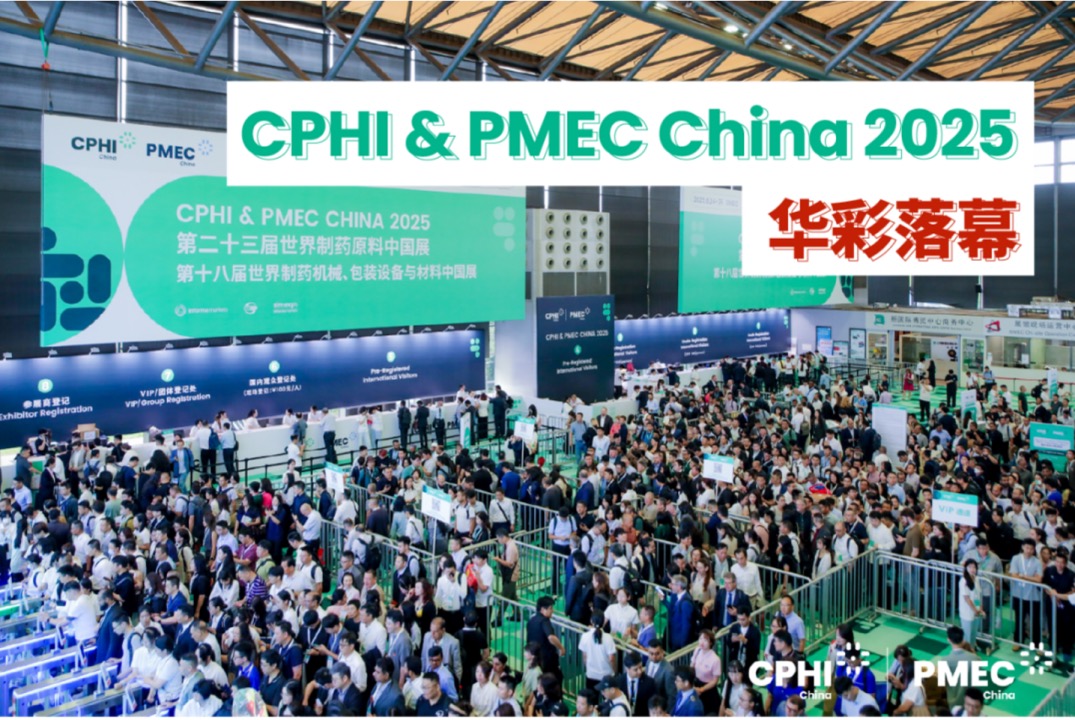
CPHI China 2025 ended successfully | Syntame talks with customers around the world about new opportunities for cooperation
CPHI China 2025 ended successfully | Syntame talks with customers around the world about new opportunities for cooperation

The company team made a stunning appearance at the 22nd World Pharmaceutical Raw Materials China Exhibition (CPHI) at the Shanghai New International Expo Centre.

No.298 Mingguang Road, Urban Industrial Park, Yinzhou District, Ningbo City, Zhejiang Province, P.R. China