
Understanding Active Compounds: Key Insights for the Pharmaceutical Industry
Jun 26,2026


Active compounds are integral to the pharmaceutical industry, serving as the primary agents responsible for the therapeutic effects of various medications. These compounds are defined as the biologically active constituents in a drug formulation that interact with specific targets in the body, such as enzymes, receptors, or DNA. Understanding active compounds is crucial for professionals working in drug development, as they significantly influence the efficacy and safety profiles of medicinal products.
The classification of active compounds can be broadly divided into two categories: small molecules and biologics. Small molecules are typically low molecular weight compounds that can easily penetrate cells and are often administered orally. They usually act by inhibiting or activating specific biological pathways. Conversely, biologics are larger, complex molecules derived from living organisms. These include proteins, antibodies, and nucleic acids, which often require more sophisticated delivery methods, such as injections.
The identification and characterization of active compounds involve rigorous scientific processes, including high-throughput screening, structure-activity relationship studies, and various in vitro and in vivo experiments. These methodologies help researchers determine the potency, selectivity, and safety of active compounds, ultimately guiding the drug development pipeline.
Moreover, the mechanism of action of active compounds is vital in predicting their therapeutic effects and potential side effects. By understanding how these compounds interact with biological systems, pharmaceutical professionals can design targeted therapies, minimize adverse reactions, and enhance patient outcomes.
In recent years, advancements in technology and biotechnology have paved the way for the discovery of novel active compounds. Techniques such as combinatorial chemistry, bioinformatics, and molecular modeling have accelerated the identification of new drug candidates. Furthermore, personalized medicine is gaining traction, where active compounds can be tailored to individual patient profiles, improving treatment efficacy.
It’s essential for professionals in the pharmaceutical industry to stay updated on the latest research and trends concerning active compounds. Continuous learning and collaboration among scientists, clinicians, and regulatory bodies are crucial to ensure the development of safe and effective medicinal products.
In conclusion, active compounds are the cornerstone of pharmaceutical innovation. Understanding their properties, classifications, and mechanisms of action is essential for professionals dedicated to improving public health through effective medical solutions. Emphasizing the importance of ongoing research and collaboration will further enhance the development of transformative therapies in the future.
The classification of active compounds can be broadly divided into two categories: small molecules and biologics. Small molecules are typically low molecular weight compounds that can easily penetrate cells and are often administered orally. They usually act by inhibiting or activating specific biological pathways. Conversely, biologics are larger, complex molecules derived from living organisms. These include proteins, antibodies, and nucleic acids, which often require more sophisticated delivery methods, such as injections.
The identification and characterization of active compounds involve rigorous scientific processes, including high-throughput screening, structure-activity relationship studies, and various in vitro and in vivo experiments. These methodologies help researchers determine the potency, selectivity, and safety of active compounds, ultimately guiding the drug development pipeline.
Moreover, the mechanism of action of active compounds is vital in predicting their therapeutic effects and potential side effects. By understanding how these compounds interact with biological systems, pharmaceutical professionals can design targeted therapies, minimize adverse reactions, and enhance patient outcomes.
In recent years, advancements in technology and biotechnology have paved the way for the discovery of novel active compounds. Techniques such as combinatorial chemistry, bioinformatics, and molecular modeling have accelerated the identification of new drug candidates. Furthermore, personalized medicine is gaining traction, where active compounds can be tailored to individual patient profiles, improving treatment efficacy.
It’s essential for professionals in the pharmaceutical industry to stay updated on the latest research and trends concerning active compounds. Continuous learning and collaboration among scientists, clinicians, and regulatory bodies are crucial to ensure the development of safe and effective medicinal products.
In conclusion, active compounds are the cornerstone of pharmaceutical innovation. Understanding their properties, classifications, and mechanisms of action is essential for professionals dedicated to improving public health through effective medical solutions. Emphasizing the importance of ongoing research and collaboration will further enhance the development of transformative therapies in the future.
Syntame Exhibition Tour 2026

CPHI China 2026 Concludes Successfully | Shentai Bio Will Continue to Focus on High-Content Pharmaceutical Raw Material Solutions
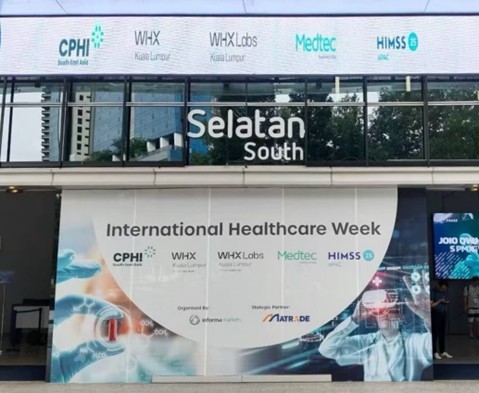
CPHI South East Asia 2025 comes to a successful conclusion | SYNTAME opens a new chapter in the Southeast Asian market
CPHI South East Asia 2025 comes to a successful conclusion | SYNTAME opens a new chapter in the Southeast Asian market
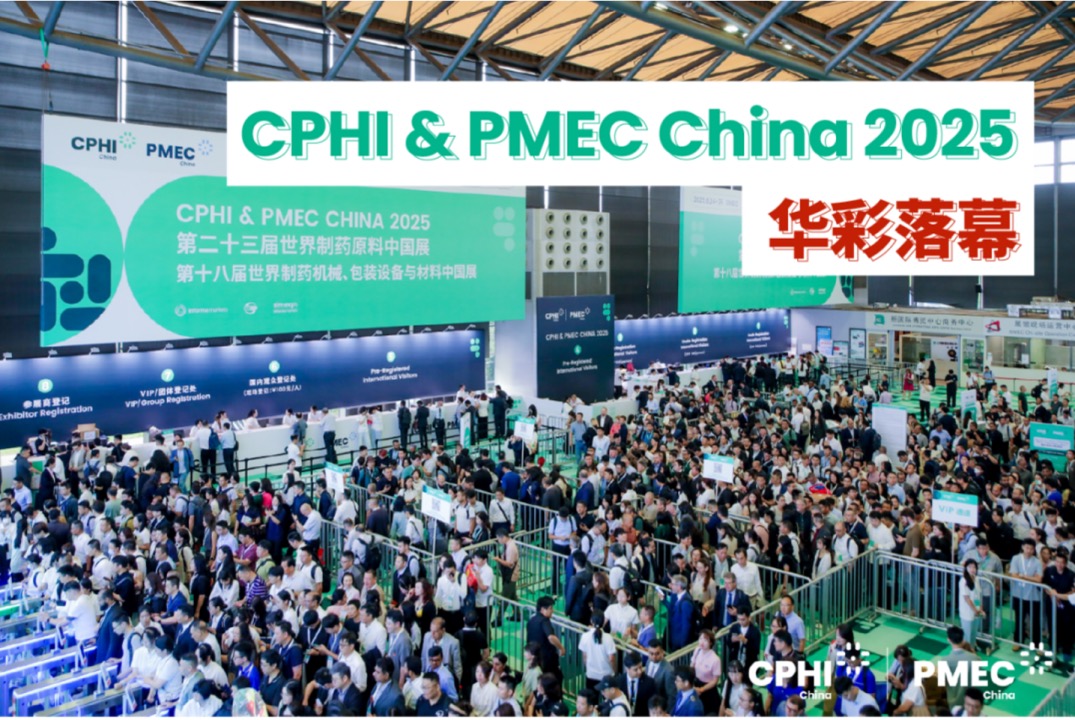
CPHI China 2025 ended successfully | Syntame talks with customers around the world about new opportunities for cooperation
CPHI China 2025 ended successfully | Syntame talks with customers around the world about new opportunities for cooperation

The company team made a stunning appearance at the 22nd World Pharmaceutical Raw Materials China Exhibition (CPHI) at the Shanghai New International Expo Centre.

No.298 Mingguang Road, Urban Industrial Park, Yinzhou District, Ningbo City, Zhejiang Province, P.R. China