

Understanding the Benefits of Using Pharmaceutical Additives for Enhanced Drug Formulation
Jun 23,2026


Understanding the Benefits of Using Pharmaceutical Additives for Enhanced Drug Formulation
Table of Contents
1. Introduction to Pharmaceutical Additives
2. The Importance of Pharmaceutical Additives in Drug Development
3. Types of Pharmaceutical Additives
3.1. Excipients: Function and Types
3.2. Fillers: Enhancing Drug Bulk and Stability
3.3. Binders: Ensuring Cohesion in Tablet Formulation
3.4. Lubricants: Facilitating Manufacturing Processes
3.5. Preservatives: Extending Shelf Life and Safety
4. Benefits of Using Pharmaceutical Additives
4.1. Enhanced Drug Bioavailability
4.2. Improved Stability and Shelf Life
4.3. Better Patient Compliance and Experience
5. Regulatory Considerations in the Use of Additives
6. Future Trends in Pharmaceutical Additives
7. Conclusion
8. Frequently Asked Questions (FAQs)
1. Introduction to Pharmaceutical Additives
In the realm of pharmaceutical sciences, **additives** play a pivotal role in the development and formulation of medications. These substances, often referred to as **excipients**, are included in drug formulations to aid in stability, bioavailability, and patient compliance. Understanding these additives is crucial for pharmaceutical professionals and consumers alike, as they significantly influence the overall effectiveness and safety of medications.
2. The Importance of Pharmaceutical Additives in Drug Development
The significance of pharmaceutical additives cannot be overstated. They contribute to the **formulation's physical properties**, thereby affecting the drug's performance, appearance, and stability. Without these additives, many drugs would exist in less effective forms, leading to poor therapeutic outcomes. From enhancing solubility to ensuring proper dosing, the role of additives is intricate and essential in the pharmaceutical landscape.
3. Types of Pharmaceutical Additives
Pharmaceutical additives are categorized based on their functions and roles in drug formulation. Understanding these categories is vital for professionals involved in drug development and regulatory compliance.
3.1. Excipients: Function and Types
Excipients are inactive substances that serve as vehicles for active pharmaceutical ingredients (APIs). They perform various functions, including:
- **Solubilizing Agents**: Improve the solubility of the active ingredient.
- **Stabilizers**: Prevent degradation of the formulation.
- **Colorants**: Enhance the visual appeal of the product.
Different excipients are used depending on the type of drug and its intended release profile.
3.2. Fillers: Enhancing Drug Bulk and Stability
Fillers, also known as diluents, are substances that add bulk to the formulation, ensuring an appropriate dosage size. Common fillers include:
- **Starch**
- **Microcrystalline Cellulose**
- **Lactose**
These components not only enhance the **physical characteristics** of the tablets and capsules but also contribute to the drug's stability.
3.3. Binders: Ensuring Cohesion in Tablet Formulation
Binders are crucial in tablet formulation as they hold the ingredients together, providing mechanical strength. They can be natural, like **gum acacia**, or synthetic, like **polyvinylpyrrolidone (PVP)**. The choice of binder affects the disintegration and dissolution rate of the tablet.
3.4. Lubricants: Facilitating Manufacturing Processes
Lubricants are added to prevent the ingredients from sticking to manufacturing equipment. Common lubricants include:
- **Magnesium Stearate**
- **Stearic Acid**
These substances improve the flow of powders during the tablet press process, ensuring a uniform and effective formulation.
3.5. Preservatives: Extending Shelf Life and Safety
Preservatives are vital for maintaining the integrity and safety of pharmaceutical products. They help prevent microbial growth and degradation. Examples include:
- **Benzoic Acid**
- **Sodium Benzoate**
These additives are essential in formulations that may be susceptible to contamination, particularly in liquid forms.
4. Benefits of Using Pharmaceutical Additives
The incorporation of pharmaceutical additives offers numerous advantages that enhance drug formulation and patient outcomes.
4.1. Enhanced Drug Bioavailability
One of the primary benefits of using pharmaceutical additives is the enhancement of drug bioavailability. These additives improve the solubility and absorption of active ingredients, allowing for more effective therapeutic action. This is particularly important for drugs with low solubility.
4.2. Improved Stability and Shelf Life
Additives play a critical role in improving the stability and shelf life of pharmaceutical products. They protect active ingredients from degradation due to environmental factors such as light, moisture, and temperature. This ensures that medications remain effective throughout their intended shelf life.
4.3. Better Patient Compliance and Experience
The right combination of additives can significantly impact patient compliance. For instance, flavoring agents can mask unpleasant tastes, while colorants can make medications more appealing. Additionally, the use of additives can result in more convenient dosage forms, such as extended-release tablets, improving the overall patient experience.
5. Regulatory Considerations in the Use of Additives
The use of pharmaceutical additives is heavily regulated to ensure safety and efficacy. Regulatory bodies, such as the **U.S. Food and Drug Administration (FDA)** and the **European Medicines Agency (EMA)**, provide guidelines regarding the selection and usage of additives in drug formulations. It is crucial for pharmaceutical companies to adhere to these regulations to ensure the safety of their products.
6. Future Trends in Pharmaceutical Additives
The pharmaceutical industry is continuously evolving, and so are the trends in pharmaceutical additives. Innovations in nanotechnology and biotechnology are paving the way for the development of new additives that can enhance drug delivery systems. Additionally, the growing demand for personalized medicine is driving research into specific additives that can cater to individual patient needs, such as tailored drug-release profiles.
7. Conclusion
In conclusion, pharmaceutical additives are indispensable components of drug formulation. They enhance bioavailability, improve stability, and contribute to better patient compliance. As the pharmaceutical landscape continues to evolve, understanding the benefits and implications of using these additives will remain crucial for professionals in the industry. By leveraging the advantages of pharmaceutical additives, we can ensure safer, more effective therapeutic outcomes for patients worldwide.
8. Frequently Asked Questions (FAQs)
Q1: What are pharmaceutical additives, and why are they used?
A1: Pharmaceutical additives, or excipients, are inactive substances used in drug formulations to enhance stability, bioavailability, and patient compliance.
Q2: How do fillers affect drug formulation?
A2: Fillers add bulk to the formulation, ensuring appropriate dosage size and contributing to the overall stability of the drug.
Q3: What role do preservatives play in pharmaceuticals?
A3: Preservatives extend the shelf life of medications by preventing microbial growth and degradation.
Q4: Are there regulations governing the use of pharmaceutical additives?
A4: Yes, regulatory bodies like the FDA and EMA set guidelines for the selection and usage of additives in drug formulations to ensure safety and efficacy.
Q5: What future trends can we expect in pharmaceutical additives?
A5: Innovations in nanotechnology and personalized medicine are driving the development of new additives that enhance drug delivery systems and cater to individual patient needs.
Syntame Exhibition Tour 2026

CPHI South East Asia 2025 comes to a successful conclusion | SYNTAME opens a new chapter in the Southeast Asian market
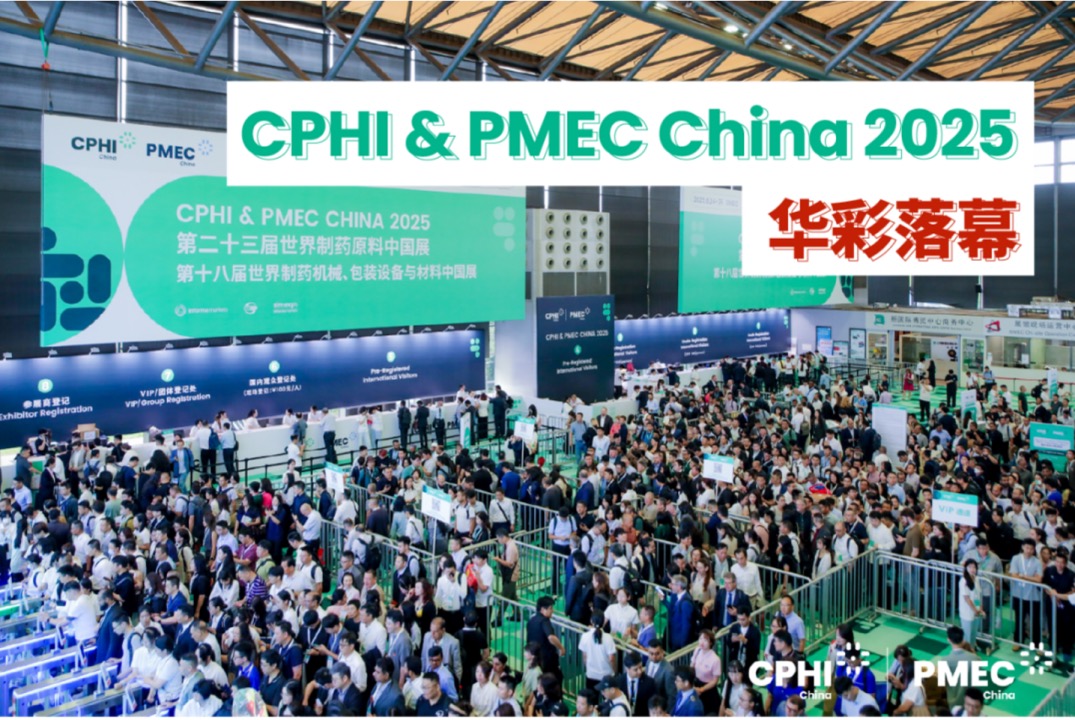
CPHI China 2025 ended successfully | Syntame talks with customers around the world about new opportunities for cooperation

The company team made a stunning appearance at the 22nd World Pharmaceutical Raw Materials China Exhibition (CPHI) at the Shanghai New International Expo Centre.
The company's sales team successfully participated in the 21st World Pharmaceutical Raw Materials China Exhibition (CPHI) at the Shanghai New International Expo Centre.

No.298 Mingguang Road, Urban Industrial Park, Yinzhou District, Ningbo City, Zhejiang Province, P.R. China