

How Disintegrants Influence Tablet Disintegration and Drug Release: A Comprehensive Guide
Jun 17,2026


How Disintegrants Influence Tablet Disintegration and Drug Release
Table of Contents
- Introduction to Disintegrants in Tablet Formulation
- What Are Disintegrants?
- The Importance of Tablet Disintegration in Drug Release
- Types of Disintegrants Used in Pharmaceuticals
- Mechanisms of Action of Disintegrants
- Factors Influencing Tablet Disintegration and Drug Release
- Best Practices in Formulating Tablets with Disintegrants
- Case Studies: Disintegrants in Action
- Conclusion
- FAQs about Disintegrants and Drug Release
Introduction to Disintegrants in Tablet Formulation
In the realm of pharmaceutical sciences, the **formulation of tablets** stands as a cornerstone for effective medication delivery. Among the myriad of components that constitute a tablet, disintegrants play a pivotal role in ensuring optimal drug release and bioavailability. Understanding how **disintegrants influence tablet disintegration** is crucial for formulators aiming to enhance the therapeutic efficacy of their products.
What Are Disintegrants?
Disintegrants are substances incorporated into tablet formulations to facilitate the breakdown of the tablet into smaller fragments in the presence of liquid. This breakdown, known as **disintegration**, is essential for the subsequent release of the active pharmaceutical ingredient (API). Common disintegrants include:
- **Starch** (e.g., pregelatinized starch)
- **Cellulose derivatives** (e.g., microcrystalline cellulose, sodium carboxymethyl cellulose)
- **Synthetic polymers** (e.g., croscarmellose sodium and sodium starch glycolate)
These compounds enhance the performance of tablets by promoting rapid disintegration upon contact with moisture.
The Importance of Tablet Disintegration in Drug Release
Tablet disintegration is a critical step in the **drug release process**. When a tablet disintegrates, it increases the surface area of the drug, allowing for faster dissolution in the gastrointestinal tract. This is crucial because the rate and extent of drug absorption directly influence therapeutic outcomes. Poor disintegration can lead to:
- Incomplete drug release
- Delayed absorption
- Variability in bioavailability
Understanding the relationship between disintegration and drug release is vital for ensuring that therapeutic agents exert their intended effects efficiently.
Types of Disintegrants Used in Pharmaceuticals
Disintegrants can be categorized based on their origin and mechanism of action.
Natural Disintegrants
Natural disintegrants include substances derived from plant sources. Common examples are:
- **Starch**: Often used due to its low cost and effectiveness.
- **Gum Acacia**: Known for its gentle disintegration properties.
Synthetic Disintegrants
Synthetic disintegrants are tailored to achieve specific functionality. Examples include:
- **Croscarmellose Sodium**: Provides rapid disintegration and is highly effective at low concentrations.
- **Polyvinylpyrrolidone (PVP)**: Acts as both a binder and disintegrant, enhancing tablet integrity and dissolution.
Mechanisms of Action of Disintegrants
Disintegrants operate through various mechanisms to facilitate tablet disintegration:
Swelling
Many disintegrants, particularly starch and cellulose derivatives, swell upon hydration. This swelling exerts mechanical pressure on the tablet matrix, promoting disintegration.
Capillary Action
Certain disintegrants utilize capillary action, where liquid penetrates the tablet matrix, leading to separation of particles and subsequent disintegration.
Particle Size and Surface Area
The effectiveness of a disintegrant is often related to its particle size and surface area. Smaller particles provide a larger surface area for interaction with the liquid, enhancing disintegration.
Factors Influencing Tablet Disintegration and Drug Release
The performance of disintegrants in tablet formulations can be affected by several factors:
Formulation Composition
The presence of excipients such as binders, fillers, and lubricants can affect disintegration. For example, high binder concentrations may inhibit the swelling action of disintegrants.
Environmental Conditions
Temperature and humidity play significant roles in disintegration. Higher humidity can facilitate disintegration, whereas dry conditions may hinder it.
Tablet Compression Force
The force applied during tablet compression affects the compactness of the tablet. Higher compression may lead to harder tablets, making disintegration more challenging.
Best Practices in Formulating Tablets with Disintegrants
To optimize tablet disintegration and drug release, specific strategies should be employed:
Selection of Appropriate Disintegrants
Choosing the right disintegrant based on the drug's characteristics and the intended release profile is crucial. Consideration should be given to the disintegrant's swelling capacity, compatibility with other excipients, and the desired hardness of the tablet.
Conducting Preformulation Studies
Preformulation studies help in understanding the behavior of disintegrants under various conditions. Analyzing factors such as moisture sensitivity and interactions with other components can lead to better formulation decisions.
Utilizing Granulation Techniques
Granulation techniques can influence the distribution of disintegrants within the tablet. Dry granulation, wet granulation, and direct compression methods can yield different effects on disintegration.
Case Studies: Disintegrants in Action
Numerous studies illustrate the effectiveness of disintegrants in pharmaceutical formulations.
Study 1: Croscarmellose Sodium vs. Starch
In a comparative study, croscarmellose sodium demonstrated superior disintegration properties over starch in a formulation of a water-soluble drug. The rapid disintegration allowed for faster drug release, illustrating the importance of selecting appropriate disintegrants.
Study 2: Influence of Compression Force
A study analyzing the effect of compression force on tablet disintegration revealed that increasing the compression force led to decreased disintegration rates. This highlights the significance of balancing compression during tablet production.
Conclusion
Disintegrants play an essential role in the pharmaceutical industry by influencing tablet disintegration and drug release. Understanding their types, mechanisms of action, and formulation strategies is crucial for developing effective tablet formulations. By optimizing these factors, formulators can enhance the bioavailability of the active pharmaceutical ingredients and ensure that medications perform as intended.
FAQs about Disintegrants and Drug Release
1. What are disintegrants and why are they used in tablets?
Disintegrants are substances that help tablets break down into smaller particles in the presence of liquid, facilitating drug release and absorption.
2. How do natural and synthetic disintegrants differ?
Natural disintegrants are derived from plant sources, while synthetic disintegrants are chemically manufactured. Synthetic options often provide tailored functionalities.
3. What factors affect the efficiency of disintegrants?
Factors such as formulation composition, environmental conditions, and tablet compression force can significantly influence disintegration and drug release.
4. Can disintegrants affect the shelf life of tablets?
Yes, some disintegrants may be sensitive to moisture or other environmental factors, potentially impacting the stability and shelf life of formulations.
5. How can I choose the right disintegrant for my tablet formulation?
The selection of disintegrants should be based on the drug's properties, the desired release profile, and compatibility with other excipients in the formulation.
Syntame Exhibition Tour 2026

CPHI South East Asia 2025 comes to a successful conclusion | SYNTAME opens a new chapter in the Southeast Asian market
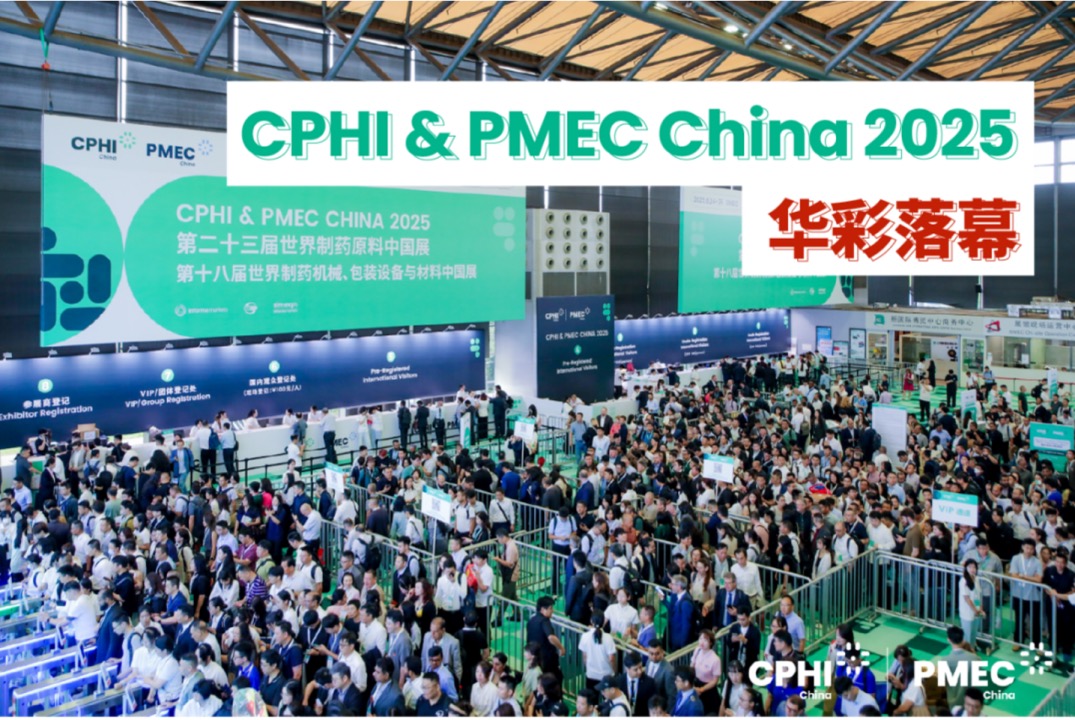
CPHI China 2025 ended successfully | Syntame talks with customers around the world about new opportunities for cooperation

The company team made a stunning appearance at the 22nd World Pharmaceutical Raw Materials China Exhibition (CPHI) at the Shanghai New International Expo Centre.
The company's sales team successfully participated in the 21st World Pharmaceutical Raw Materials China Exhibition (CPHI) at the Shanghai New International Expo Centre.

No.298 Mingguang Road, Urban Industrial Park, Yinzhou District, Ningbo City, Zhejiang Province, P.R. China