
The Unexplored Potential of Intermediate Molecules in Pharmaceuticals: Unlocking New Avenues for Drug Development
Jun 07,2026


The Unexplored Potential of Intermediate Molecules in Pharmaceuticals
The pharmaceutical landscape is constantly evolving, but one area that remains significantly underexplored is the potential of **intermediate molecules**. These compounds, which act as precursors or building blocks in the synthesis of more complex pharmaceuticals, hold immense promise for advancing therapeutic solutions. This article aims to highlight the myriad ways in which intermediate molecules can be harnessed to overcome current challenges in drug development and improve patient outcomes.
Understanding Intermediate Molecules: What Are They?
Intermediate molecules, also known as **intermediates**, are compounds formed during the chemical synthesis of pharmaceuticals. They are not finished products but rather essential components in the synthetic route leading to active pharmaceutical ingredients (APIs). Understanding their role is crucial for anyone involved in drug discovery and development.
The Role of Intermediates in Drug Synthesis
Intermediates serve as the link between raw materials and final pharmaceutical products. Their synthesis is often a complex process involving multiple steps, which may include reactions like **oxidation, reduction, and hydrolysis**. Each step is critical in determining the purity, yield, and overall effectiveness of the final drug.
Types of Intermediate Molecules in Pharmaceuticals
Intermediate molecules can be classified based on various criteria, including:
1. **Chemical Structure**: Aliphatic, aromatic, cyclic, etc.
2. **Functionality**: Alcohols, amines, acids, etc.
3. **Synthesis Route**: Direct intermediates versus indirect intermediates.
This classification can help researchers and chemists in selecting the most appropriate intermediates for their specific applications.
The Current Landscape: Challenges in Drug Development
Despite their potential, the pharmaceutical industry faces numerous challenges, including:
- **High Development Costs**: The cost of bringing a new drug to market can exceed $2 billion, largely due to lengthy development timelines.
- **Regulatory Hurdles**: Navigating the regulatory landscape can slow down the approval process for new drugs.
- **Limited Novelty**: Many new drugs offer only incremental improvements over existing therapies.
Understanding the role of intermediate molecules can address some of these challenges, offering avenues for innovation.
Reducing Development Costs with Intermediate Molecules
One way to mitigate high development costs is by optimizing the use of intermediate molecules. By focusing on more efficient synthetic routes, pharmaceutical companies can reduce the number of steps in drug development, which not only saves time but also decreases production costs.
Innovative Applications of Intermediate Molecules
Intermediate molecules can also be repurposed for alternative uses within the pharmaceutical industry. For example, some intermediates can serve as lead compounds for drug discovery, potentially leading to the development of entirely new therapeutic classes.
Case Studies: Successful Integration of Intermediate Molecules
Several pharmaceutical companies have successfully integrated intermediate molecules into their drug development processes.
Case Study 1: The Use of Intermediates in Antibiotic Development
In recent years, researchers have repurposed certain intermediate molecules to develop antibiotics that combat drug-resistant bacterial strains. By exploring the potential of intermediates, scientists have been able to create novel compounds that demonstrate improved efficacy against resistant pathogens.
Case Study 2: Intermediate Molecules in Anticancer Drugs
Intermediate molecules have also played a pivotal role in the development of anticancer therapies. For instance, compounds that were initially deemed too complex have been synthesized more efficiently thanks to advancements in chemical techniques, leading to breakthroughs in cancer treatment.
Future Directions: The Potential of Intermediate Molecules
The future of intermediate molecules in pharmaceuticals is promising. As research continues, we can expect several trends to emerge:
1. **Enhanced Synthetic Techniques**: Advances in organic chemistry and automation will lead to more efficient synthesis of intermediates.
2. **Artificial Intelligence in Drug Design**: AI algorithms can analyze data to predict the efficacy of various intermediates, streamlining the drug development process.
3. **Biotechnology Integration**: The fusion of biotechnology with traditional chemical synthesis can yield new classes of intermediates with unique properties.
Collaboration Across Disciplines
To fully realize the potential of intermediate molecules, collaboration between chemists, biologists, and pharmacologists is vital. By pooling expertise, researchers can innovate and develop shared frameworks for utilizing intermediates effectively.
Frequently Asked Questions (FAQs)
What are intermediate molecules in pharmaceuticals?
Intermediate molecules are compounds that serve as precursors or building blocks in the synthesis of active pharmaceutical ingredients (APIs). They are essential for the production of final pharmaceutical products.
Why are intermediate molecules important in drug development?
They streamline the synthetic process, reduce costs, and can serve as lead compounds for new drug discovery.
How can intermediate molecules reduce drug development costs?
By optimizing synthetic routes and minimizing the number of steps, pharmaceutical companies can save time and reduce production expenses.
Are there any recent innovations involving intermediate molecules?
Yes, recent studies have shown how intermediate molecules can be repurposed for new therapeutic uses, such as in antibiotics and anticancer drugs.
What is the future potential of intermediate molecules?
Future trends point towards enhanced synthetic techniques, AI integration in drug design, and interdisciplinary collaboration, all of which can expand the horizon for intermediate molecules in pharmaceuticals.
Conclusion
The unexplored potential of intermediate molecules in pharmaceuticals represents a crucial frontier in drug development. By understanding their role, optimizing their use, and fostering collaboration across disciplines, we can unlock new avenues for therapeutic solutions. As the pharmaceutical industry continues to confront challenges, the strategic integration of intermediate molecules may pave the way for more efficient and effective drug development processes, ultimately improving patient outcomes and advancing healthcare.
In summary, it is evident that intermediate molecules are not merely stepping stones in drug synthesis; they are vital players in the journey towards innovative pharmaceutical solutions.
Syntame Exhibition Tour 2026

CPHI China 2026 Concludes Successfully | Shentai Bio Will Continue to Focus on High-Content Pharmaceutical Raw Material Solutions

CPHI South East Asia 2025 comes to a successful conclusion | SYNTAME opens a new chapter in the Southeast Asian market
CPHI South East Asia 2025 comes to a successful conclusion | SYNTAME opens a new chapter in the Southeast Asian market
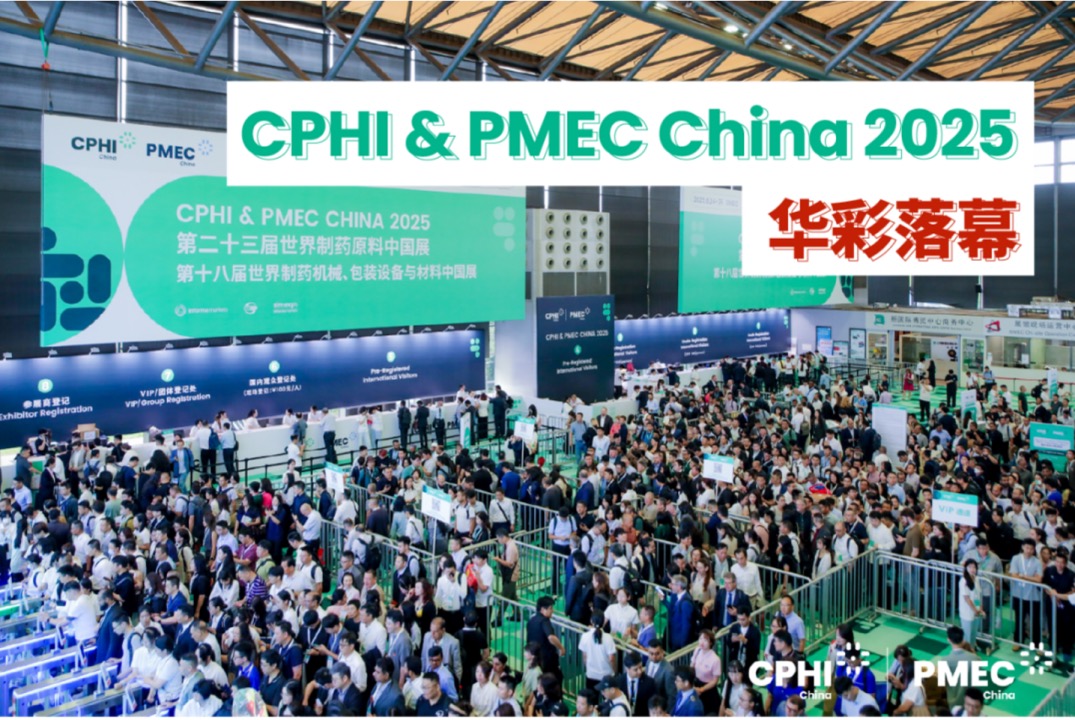
CPHI China 2025 ended successfully | Syntame talks with customers around the world about new opportunities for cooperation
CPHI China 2025 ended successfully | Syntame talks with customers around the world about new opportunities for cooperation

The company team made a stunning appearance at the 22nd World Pharmaceutical Raw Materials China Exhibition (CPHI) at the Shanghai New International Expo Centre.

No.298 Mingguang Road, Urban Industrial Park, Yinzhou District, Ningbo City, Zhejiang Province, P.R. China