

Unlocking the Role of Pharmaceutical Additives in Modern Medicine
May 29,2026


Pharmaceutical additives are crucial components in the formulation of various medicinal products. They serve multiple purposes that go beyond simply being inert fillers; they actively contribute to the overall effectiveness and safety of medications. Understanding these additives is vital for professionals in the medical and pharmaceutical industries as they play a significant role in patient care and product quality.
One primary function of pharmaceutical additives is to improve the stability of active pharmaceutical ingredients (APIs). Many drugs can be sensitive to environmental factors such as moisture, light, and temperature. Additives like stabilizers and preservatives help maintain the integrity and potency of these medications over time. For instance, antioxidants can be added to formulations to prevent oxidation, which can degrade active ingredients and diminish their therapeutic effects.
In addition to improving stability, pharmaceutical additives also enhance the bioavailability of the medication. Bioavailability refers to the proportion of an active drug that enters the circulation when introduced into the body, thereby having an active effect. Additives such as surfactants can facilitate better absorption of the drug in the gastrointestinal tract, ensuring that patients receive the intended benefits more effectively.
Furthermore, additives can aid in the manufacturing process by improving the flow properties of powders or granules. This is particularly important during tablet production, where uniformity in size and shape is essential for effective dosing. Additives like binders, fillers, and lubricants can help achieve the desired characteristics, ensuring that the final product is not only safe but also consistent in quality.
In the realm of patient compliance, pharmaceutical additives also play a significant role. Flavoring agents and colorants can be incorporated into formulations to make medications more palatable, particularly for pediatric or geriatric patients who may have difficulty swallowing pills. This attention to user experience can lead to better adherence to medication regimens, ultimately improving health outcomes.
Lastly, it’s vital to consider the regulatory landscape surrounding pharmaceutical additives. Regulatory bodies require that all additives used in medications be thoroughly evaluated for safety and efficacy. This ensures that any potential risks are identified and managed, protecting patient health while allowing for innovation in drug formulation.
In conclusion, pharmaceutical additives are integral to the development of modern medicines. They enhance stability, bioavailability, and patient compliance while also facilitating manufacturing processes. As the pharmaceutical industry continues to evolve, the careful selection and application of these additives will remain a key focus, driving advancements in medication development and patient care. Understanding their roles can empower professionals to make informed decisions, ultimately leading to improved health outcomes for patients.
One primary function of pharmaceutical additives is to improve the stability of active pharmaceutical ingredients (APIs). Many drugs can be sensitive to environmental factors such as moisture, light, and temperature. Additives like stabilizers and preservatives help maintain the integrity and potency of these medications over time. For instance, antioxidants can be added to formulations to prevent oxidation, which can degrade active ingredients and diminish their therapeutic effects.
In addition to improving stability, pharmaceutical additives also enhance the bioavailability of the medication. Bioavailability refers to the proportion of an active drug that enters the circulation when introduced into the body, thereby having an active effect. Additives such as surfactants can facilitate better absorption of the drug in the gastrointestinal tract, ensuring that patients receive the intended benefits more effectively.
Furthermore, additives can aid in the manufacturing process by improving the flow properties of powders or granules. This is particularly important during tablet production, where uniformity in size and shape is essential for effective dosing. Additives like binders, fillers, and lubricants can help achieve the desired characteristics, ensuring that the final product is not only safe but also consistent in quality.
In the realm of patient compliance, pharmaceutical additives also play a significant role. Flavoring agents and colorants can be incorporated into formulations to make medications more palatable, particularly for pediatric or geriatric patients who may have difficulty swallowing pills. This attention to user experience can lead to better adherence to medication regimens, ultimately improving health outcomes.
Lastly, it’s vital to consider the regulatory landscape surrounding pharmaceutical additives. Regulatory bodies require that all additives used in medications be thoroughly evaluated for safety and efficacy. This ensures that any potential risks are identified and managed, protecting patient health while allowing for innovation in drug formulation.
In conclusion, pharmaceutical additives are integral to the development of modern medicines. They enhance stability, bioavailability, and patient compliance while also facilitating manufacturing processes. As the pharmaceutical industry continues to evolve, the careful selection and application of these additives will remain a key focus, driving advancements in medication development and patient care. Understanding their roles can empower professionals to make informed decisions, ultimately leading to improved health outcomes for patients.
Syntame Exhibition Tour 2026

CPHI China 2026 Concludes Successfully | Shentai Bio Will Continue to Focus on High-Content Pharmaceutical Raw Material Solutions

CPHI South East Asia 2025 comes to a successful conclusion | SYNTAME opens a new chapter in the Southeast Asian market
CPHI South East Asia 2025 comes to a successful conclusion | SYNTAME opens a new chapter in the Southeast Asian market
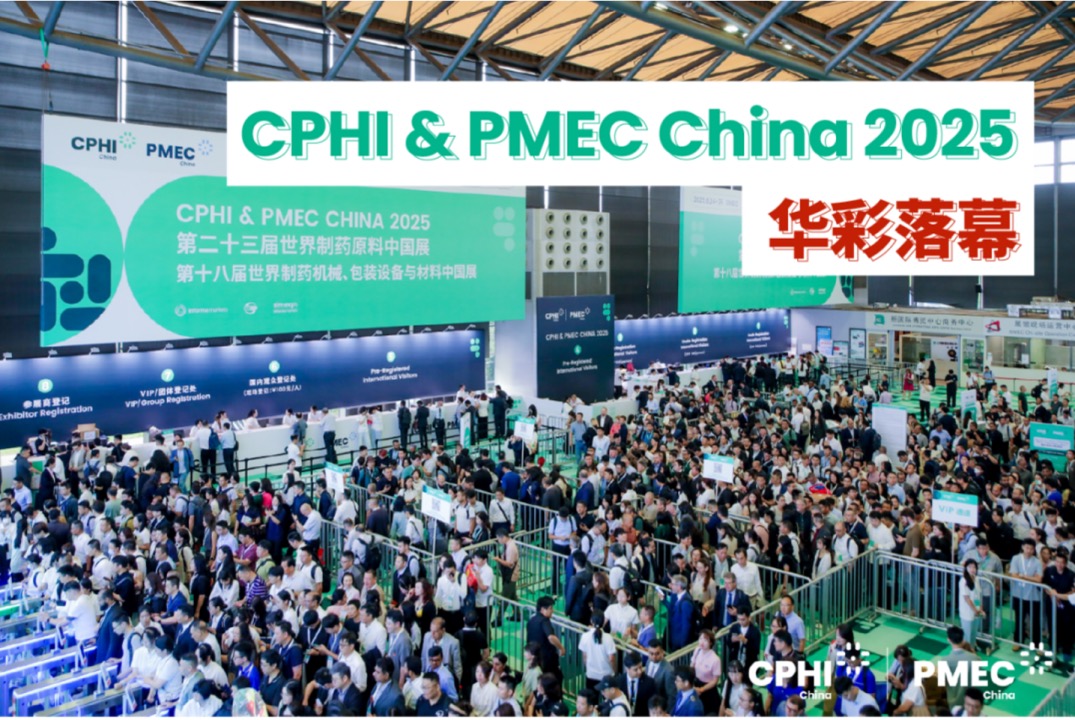
CPHI China 2025 ended successfully | Syntame talks with customers around the world about new opportunities for cooperation
CPHI China 2025 ended successfully | Syntame talks with customers around the world about new opportunities for cooperation

The company team made a stunning appearance at the 22nd World Pharmaceutical Raw Materials China Exhibition (CPHI) at the Shanghai New International Expo Centre.

No.298 Mingguang Road, Urban Industrial Park, Yinzhou District, Ningbo City, Zhejiang Province, P.R. China