

Understanding Flavoring Agents in Pharmaceutical Products
May 14,2026


Flavoring agents play a crucial role in the pharmaceutical industry, particularly in the development of oral medications. These agents are substances added to pharmaceutical formulations to improve their taste and overall acceptability. This is especially important for products intended for children or those who may have difficulty swallowing pills. In this article, we will explore the significance of flavoring agents, their types, and how they impact the pharmaceutical sector.
The primary purpose of flavoring agents is to mask the unpleasant tastes often associated with active pharmaceutical ingredients (APIs). Many APIs have strong, bitter, or otherwise undesirable flavors that can deter patients from taking their medications. By incorporating flavoring agents, pharmaceutical companies can create formulations that are more palatable, thereby enhancing patient compliance and ensuring that individuals take their prescribed treatments as directed.
There are several types of flavoring agents used in pharmaceuticals, including natural and artificial flavors. Natural flavoring agents are derived from plant or animal sources and are often considered more appealing by patients who prefer products with a more organic profile. On the other hand, artificial flavoring agents are synthesized compounds designed to mimic natural flavors, and they can be more stable and cost-effective in certain formulations.
When formulating pharmaceutical products, manufacturers must consider several factors related to flavoring agents. These include the compatibility of the flavor with the active ingredients, the stability of the flavor over the product's shelf life, and any potential allergic reactions that patients may have. Additionally, flavoring agents must comply with regulatory standards to ensure safety and efficacy in medicinal products.
The choice of flavoring agent can also affect the overall brand perception of a pharmaceutical product. A well-flavored medication can lead to a more positive experience for the patient, which may influence their perception of the brand and the trust they have in the product. This is particularly important in a market where patient satisfaction can significantly impact a company's success.
Moreover, flavoring agents can serve as a marketing tool. The inclusion of appealing flavors can highlight the product's qualities and differentiate it from competitors. Companies often conduct taste tests during the development process to determine the most preferred flavors among target patient groups.
In conclusion, flavoring agents are a vital component in the pharmaceutical industry, enhancing the palatability of medications and promoting adherence to treatment regimens. Their careful selection and implementation can lead to improved patient outcomes and satisfaction, ultimately contributing to the success of pharmaceutical products in a competitive market. As the industry continues to evolve, the role of flavoring agents will remain an essential consideration in the formulation of effective and appealing medicinal products.
The primary purpose of flavoring agents is to mask the unpleasant tastes often associated with active pharmaceutical ingredients (APIs). Many APIs have strong, bitter, or otherwise undesirable flavors that can deter patients from taking their medications. By incorporating flavoring agents, pharmaceutical companies can create formulations that are more palatable, thereby enhancing patient compliance and ensuring that individuals take their prescribed treatments as directed.
There are several types of flavoring agents used in pharmaceuticals, including natural and artificial flavors. Natural flavoring agents are derived from plant or animal sources and are often considered more appealing by patients who prefer products with a more organic profile. On the other hand, artificial flavoring agents are synthesized compounds designed to mimic natural flavors, and they can be more stable and cost-effective in certain formulations.
When formulating pharmaceutical products, manufacturers must consider several factors related to flavoring agents. These include the compatibility of the flavor with the active ingredients, the stability of the flavor over the product's shelf life, and any potential allergic reactions that patients may have. Additionally, flavoring agents must comply with regulatory standards to ensure safety and efficacy in medicinal products.
The choice of flavoring agent can also affect the overall brand perception of a pharmaceutical product. A well-flavored medication can lead to a more positive experience for the patient, which may influence their perception of the brand and the trust they have in the product. This is particularly important in a market where patient satisfaction can significantly impact a company's success.
Moreover, flavoring agents can serve as a marketing tool. The inclusion of appealing flavors can highlight the product's qualities and differentiate it from competitors. Companies often conduct taste tests during the development process to determine the most preferred flavors among target patient groups.
In conclusion, flavoring agents are a vital component in the pharmaceutical industry, enhancing the palatability of medications and promoting adherence to treatment regimens. Their careful selection and implementation can lead to improved patient outcomes and satisfaction, ultimately contributing to the success of pharmaceutical products in a competitive market. As the industry continues to evolve, the role of flavoring agents will remain an essential consideration in the formulation of effective and appealing medicinal products.
Syntame Exhibition Tour 2026

CPHI China 2026 Concludes Successfully | Shentai Bio Will Continue to Focus on High-Content Pharmaceutical Raw Material Solutions

CPHI South East Asia 2025 comes to a successful conclusion | SYNTAME opens a new chapter in the Southeast Asian market
CPHI South East Asia 2025 comes to a successful conclusion | SYNTAME opens a new chapter in the Southeast Asian market
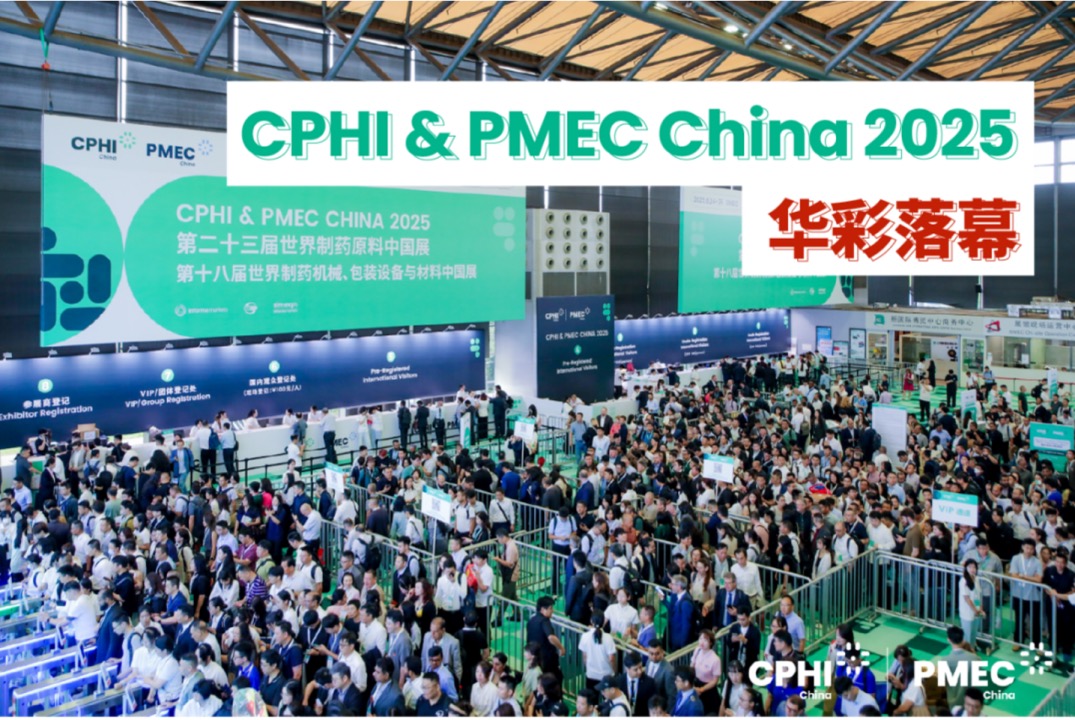
CPHI China 2025 ended successfully | Syntame talks with customers around the world about new opportunities for cooperation
CPHI China 2025 ended successfully | Syntame talks with customers around the world about new opportunities for cooperation

The company team made a stunning appearance at the 22nd World Pharmaceutical Raw Materials China Exhibition (CPHI) at the Shanghai New International Expo Centre.

No.298 Mingguang Road, Urban Industrial Park, Yinzhou District, Ningbo City, Zhejiang Province, P.R. China