

Top Disintegrants Used in the Pharmaceutical Industry Today: A Comprehensive Guide
May 02,2026


Top Disintegrants Used in the Pharmaceutical Industry Today
Table of Contents
- 1. Introduction to Disintegrants in Pharmaceuticals
- 2. Importance of Disintegrants in Drug Formulation
- 3. Types of Disintegrants Used in the Industry
- 3.3 Synthetic Disintegrants
- 3.4 Natural Disintegrants
- 4. Mechanism of Action of Disintegrants
- 5. Factors Influencing the Selection of Disintegrants
- 6. Applications of Disintegrants in Pharmaceuticals
- 7. Benefits of Using Disintegrants
- 8. Future Trends in Disintegrant Development
- 9. Conclusion
- 10. Frequently Asked Questions (FAQs)
1. Introduction to Disintegrants in Pharmaceuticals
Disintegrants play a pivotal role in the formulation of pharmaceutical products, particularly solid dosage forms such as tablets and capsules. These excipients facilitate the breakdown of the drug matrix into smaller particles upon contact with liquids, ensuring rapid dissolution and absorption. Their significance cannot be overstated, as they directly influence the bioavailability of the active ingredients, ultimately affecting therapeutic outcomes.
2. Importance of Disintegrants in Drug Formulation
The main function of disintegrants is to promote the disintegration of tablets and capsules in gastrointestinal fluids. This rapid disintegration is crucial for:
- Enhancing the **dissolution rate** of the drug.
- Improving **bioavailability** of the active pharmaceutical ingredient (API).
- Ensuring **consistent dosage delivery** to patients.
- Facilitating the overall **manufacturing process** for solid dosage forms.
Understanding the importance of disintegrants helps pharmaceutical scientists formulate products that not only meet regulatory requirements but also optimize therapeutic effects.
3. Types of Disintegrants Used in the Industry
Several types of disintegrants are employed in drug formulation, each serving unique functions and offering distinct benefits.
3.1 Starch-Based Disintegrants
Starch, particularly **pregelatinized starch**, is one of the most widely used disintegrants in the pharmaceutical industry. Its ability to swell upon hydration makes it effective in facilitating disintegration. Starch is favored for its:
- Natural origin.
- Cost-effectiveness.
- Compatibility with a wide range of APIs.
3.2 Cellulose Derivatives
Cellulose derivatives, such as **microcrystalline cellulose (MCC)** and **carboxymethyl cellulose (CMC)**, are also extensively used as disintegrants. They offer high swelling capacity and excellent binding properties, making them suitable for various formulations. Notable advantages include:
- Good flowability.
- Enhanced mechanical strength of tablets.
- Biocompatibility.
3.3 Synthetic Disintegrants
Synthetic disintegrants, like **sodium starch glycolate** and **croscarmellose sodium**, have gained popularity due to their rapid disintegration properties. They are engineered to provide:
- Fast action in aqueous environments.
- High efficiency at low concentrations.
- Consistent performance across various environmental conditions.
3.4 Natural Disintegrants
Natural disintegrants such as **guar gum** and **xanthan gum** are gaining traction due to the growing demand for **natural and organic formulations**. They provide a unique set of benefits:
- Biodegradability and environmental safety.
- Potential health benefits associated with natural ingredients.
4. Mechanism of Action of Disintegrants
Disintegrants function primarily through absorption of liquid, which leads to swelling and disruption of the tablet matrix. Upon contact with water, the disintegrants absorb moisture and expand, causing mechanical stresses that help break apart the tablet. The mechanism can be described as follows:
- **Hydration**: Disintegrants absorb water rapidly upon contact.
- **Swelling**: The absorbed water results in swelling, exerting pressure on the tablet matrix.
- **Deformation**: The mechanical forces generated lead to fragmentation of the tablet structure.
This process is critical for ensuring that the drug is released quickly and efficiently in the digestive tract, enhancing its bioavailability.
5. Factors Influencing the Selection of Disintegrants
Choosing the right disintegrant requires careful consideration of various factors:
- **Type of dosage form**: Different forms (tablets, capsules) may require different disintegrants.
- **API characteristics**: The solubility and stability of the active ingredient can affect disintegrant choice.
- **Desired release profile**: Immediate vs. controlled-release formulations will necessitate different disintegrants.
- **Compatibility with excipients**: Assessing potential interactions with other formulation components is critical.
A thorough evaluation of these factors ensures optimal product performance and patient outcomes.
6. Applications of Disintegrants in Pharmaceuticals
Disintegrants are utilized across a broad spectrum of pharmaceutical applications, including:
- **Tablet formulations**: Most common application, crucial for immediate-release tablets.
- **Orally disintegrating tablets (ODTs)**: Specialized formulations that disintegrate quickly in the mouth.
- **Capsules**: Ensuring proper disintegration in the gastrointestinal tract.
- **Granules and powders**: Enhancing flow properties and disintegration in formulations.
The versatility of disintegrants makes them indispensable in the development of various dosage forms.
7. Benefits of Using Disintegrants
The inclusion of disintegrants in pharmaceutical formulations offers numerous advantages:
- **Increased bioavailability**: Enhanced dissolution leads to improved absorption of the drug.
- **Consistency in drug release**: Ensures that patients receive the intended dosage reliably.
- **Improved patient compliance**: Formulations that dissolve quickly are more appealing to patients.
- **Cost-effectiveness**: Many disintegrants are cost-efficient, contributing to more economical manufacturing processes.
These benefits contribute significantly to the overall success of pharmaceutical products in the market.
8. Future Trends in Disintegrant Development
As the pharmaceutical industry evolves, so do the requirements for disintegrants. Future trends may include:
- **Biodegradable disintegrants**: A shift towards sustainable and eco-friendly excipients.
- **Smart disintegrants**: Development of responsive materials that can adapt to specific conditions in the body.
- **Innovative formulations**: Increased focus on combining disintegrants with other functional excipients for enhanced performance.
These trends align with the broader pharmaceutical goals of improving patient outcomes while adhering to environmental sustainability.
9. Conclusion
Disintegrants are a crucial component in the realm of pharmaceutical formulation. Their ability to enhance drug dissolution and bioavailability directly impacts the efficacy of medications. By understanding the various types of disintegrants, their mechanisms of action, and the factors influencing their selection, pharmaceutical professionals can develop more effective and patient-friendly products. As the industry continues to innovate, the future of disintegrants looks promising, with advancements leading to improved therapeutic outcomes and greater patient satisfaction.
10. Frequently Asked Questions (FAQs)
1. What are the main functions of disintegrants in pharmaceuticals?
Disintegrants facilitate the breakdown of tablets and capsules into smaller particles upon contact with liquids, enhancing the dissolution and absorption of the active ingredients.
2. Are there natural alternatives to synthetic disintegrants?
Yes, natural disintegrants such as guar gum and xanthan gum are increasingly used as alternatives to synthetic options due to their biodegradability and potential health benefits.
3. How do disintegrants affect the bioavailability of medications?
By promoting rapid disintegration and dissolution, disintegrants significantly enhance the bioavailability of the active pharmaceutical ingredients, ensuring effective therapeutic outcomes.
4. What factors should be considered when selecting disintegrants for formulation?
Factors include the type of dosage form, characteristics of the active pharmaceutical ingredient, desired release profile, and compatibility with other excipients.
5. What are the future trends in disintegrant development?
Future trends may include the development of biodegradable disintegrants, smart materials that respond to specific conditions, and innovative formulations that enhance performance through the combination of functional excipients.
This article serves as a comprehensive guide for professionals in the pharmaceutical industry, offering insights and detailed information on the vital role of disintegrants in drug formulation.
Syntame Exhibition Tour 2026

CPHI South East Asia 2025 comes to a successful conclusion | SYNTAME opens a new chapter in the Southeast Asian market
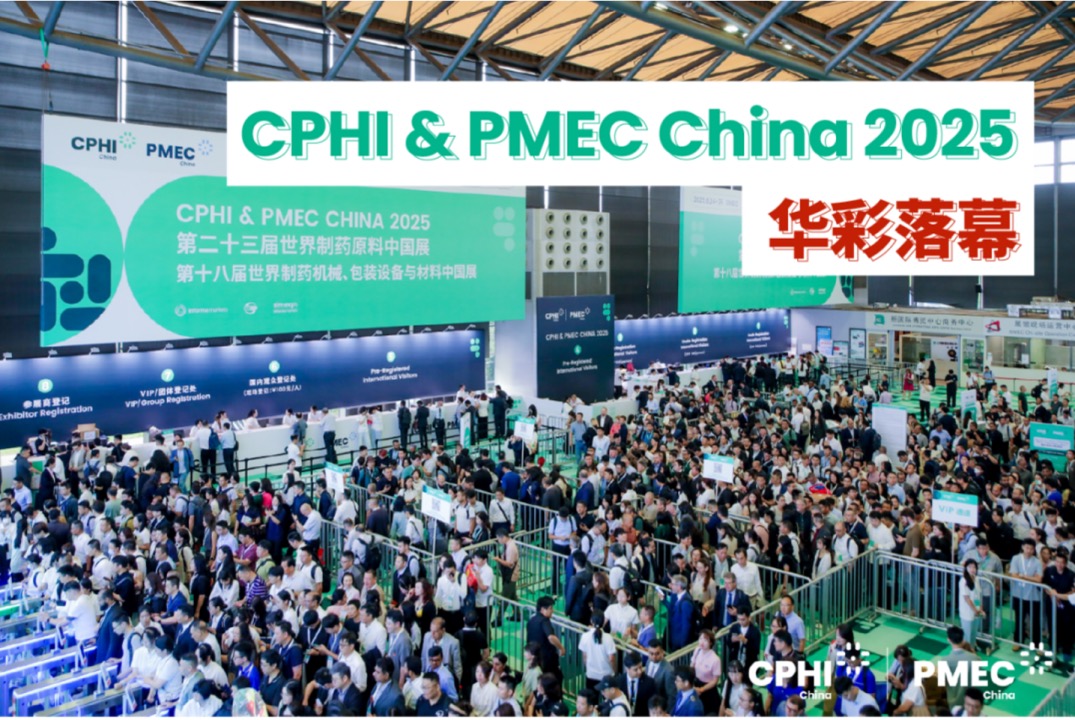
CPHI China 2025 ended successfully | Syntame talks with customers around the world about new opportunities for cooperation

The company team made a stunning appearance at the 22nd World Pharmaceutical Raw Materials China Exhibition (CPHI) at the Shanghai New International Expo Centre.
The company's sales team successfully participated in the 21st World Pharmaceutical Raw Materials China Exhibition (CPHI) at the Shanghai New International Expo Centre.

No.298 Mingguang Road, Urban Industrial Park, Yinzhou District, Ningbo City, Zhejiang Province, P.R. China