
Intermediate Molecules: Bridging Chemistry with Clinical Applications – A Comprehensive Exploration
Apr 26,2026


Intermediate Molecules: Bridging Chemistry with Clinical Applications
Table of Contents
- 1. Introduction to Intermediate Molecules
- 2. What Are Intermediate Molecules?
- 3. The Role of Intermediate Molecules in Chemistry
- 4. Clinical Importance of Intermediate Molecules
- 5. Synthesis Methods for Intermediate Molecules
- 6. Applications in Drug Development
- 7. Case Studies: Successful Applications
- 8. Future Trends in Intermediate Molecule Research
- 9. Frequently Asked Questions
- 10. Conclusion
1. Introduction to Intermediate Molecules
Intermediate molecules represent a critical nexus between raw chemical compounds and their therapeutic applications. In the evolving landscape of medicinal chemistry, these molecules play an indispensable role in the development of pharmaceuticals. By enabling the synthesis of complex drugs through simplified pathways, intermediate molecules enhance both efficiency and efficacy in drug formulation. In this article, we will explore the multifaceted nature of intermediate molecules, emphasizing their significance in bridging chemistry and clinical applications.
2. What Are Intermediate Molecules?
Intermediate molecules are chemical species that exist between reactants and products in a synthetic pathway. They may not have direct therapeutic effects; however, they are essential for creating the final pharmaceutical products. The nature of these molecules can vary significantly, encompassing a broad range of structures, stability, and reactivity. Their unique characteristics often dictate the ease with which they can be transformed into active pharmaceutical ingredients (APIs).
2.1 Characteristics of Intermediate Molecules
The **characteristics** of intermediate molecules can greatly influence their functionality in synthesis processes. Key traits include:
- **Stability:** The ability to maintain structure under various conditions.
- **Reactivity:** How readily an intermediate can undergo further chemical transformations.
- **Solubility:** Influences the ease of manipulation and purification.
3. The Role of Intermediate Molecules in Chemistry
In the realm of chemistry, intermediate molecules serve as essential intermediaries that facilitate complex reactions. They allow chemists to navigate through multi-step synthesis routes that would otherwise be challenging or impossible.
3.1 Mechanisms of Action
Understanding the **mechanisms of action** for intermediate molecules is crucial. Often, these mechanisms involve:
- **Catalytic reactions** that enhance the efficiency of transformations.
- **Transitory states** that provide insights into reaction pathways.
4. Clinical Importance of Intermediate Molecules
The clinical implications of intermediate molecules cannot be overstated. These compounds are integral to the design and development of new therapeutics and have far-reaching effects on patient care and treatment outcomes.
4.1 Drug Efficacy and Safety
The **efficacy** and **safety** of drugs are directly linked to the quality of intermediate molecules used during synthesis. High-purity intermediates lead to safer, more effective drugs by minimizing the risks of impurities that can compromise therapeutic effects.
4.1.1 Impact on Pharmacokinetics
Intermediate molecules often influence pharmacokinetics, where absorption, distribution, metabolism, and excretion (ADME) are carefully evaluated to ensure optimal drug performance.
5. Synthesis Methods for Intermediate Molecules
The synthesis of intermediate molecules involves various methodologies that cater to specific chemical properties and desired outcomes.
5.1 Traditional Synthetic Routes
Traditional synthesis often employs well-established **chemical reactions** such as:
- **Refluxing:** Used to increase the rate of formation of intermediates.
- **Extraction and purification techniques** that ensure the isolation of high-purity intermediates.
5.2 Modern Techniques
Advancements in technology have introduced innovative synthesis methods, including:
- **Green chemistry principles** that focus on sustainability.
- **Biotechnological approaches** that use enzymes for selective transformations.
6. Applications in Drug Development
The application of intermediate molecules in drug development is vast, with a plethora of therapeutic areas benefiting from their use.
6.1 Targeted Therapies
Intermediate molecules facilitate the development of **targeted therapies** that specifically address disease mechanisms, leading to better patient outcomes.
6.2 Biopharmaceuticals
In the realm of **biopharmaceuticals**, intermediate molecules are crucial for the development of biologics and biosimilars, enhancing the therapeutic arsenal available for patient care.
7. Case Studies: Successful Applications
Examining successful applications of intermediate molecules can provide insight into their practical importance.
7.1 Case Study: Development of Anticancer Drugs
The journey of anticancer drug development often involves several intermediate molecules that significantly enhance the activity of the final compound. For example, the synthesis of **Taxol**, a widely used anticancer drug, relied on various intermediate molecules that improved its efficacy against specific cancer types.
7.2 Case Study: Antibiotic Production
In antibiotic production, intermediates have played a vital role in synthesizing compounds like **Penicillin**, which revolutionized medicine and continues to be pivotal in treating bacterial infections.
8. Future Trends in Intermediate Molecule Research
The future of intermediate molecules holds exciting possibilities, particularly with the integration of artificial intelligence and automation in chemistry.
8.1 AI and Machine Learning in Synthesis
Artificial intelligence is transforming drug synthesis by predicting viable intermediate pathways, thereby **accelerating drug development** timelines and reducing costs.
8.2 Sustainable Chemistry Initiatives
The push for more sustainable practices in chemical synthesis will likely propel advancements in the development of green intermediates that minimize environmental impact.
9. Frequently Asked Questions
9.1 What is the primary function of intermediate molecules in drug development?
Intermediate molecules serve as critical building blocks that facilitate the synthesis of active pharmaceutical ingredients, enhancing the efficiency and safety of drug formulations.
9.2 How are intermediate molecules synthesized?
They can be synthesized using various methods, including traditional chemical reactions and modern techniques like enzymatic processes and green chemistry practices.
9.3 Why are intermediate molecules important in clinical applications?
They ensure the efficacy and safety of the final drug products, influencing pharmacokinetics and therapeutic effects.
9.4 What role does purity play in the effectiveness of intermediate molecules?
High-purity intermediates are essential as impurities can lead to adverse effects and compromised therapeutic outcomes.
9.5 What are some emerging trends in intermediate molecule research?
Emerging trends include the use of AI in synthesis predictions and a focus on sustainability through green chemistry initiatives.
10. Conclusion
Intermediate molecules are pivotal in bridging the gap between chemistry and clinical applications. Their role in drug development is profound, influencing the safety, efficacy, and overall success of pharmaceuticals. As research continues to evolve, the advancements in the synthesis and application of intermediate molecules promise a bright future for medicinal chemistry and patient care. By leveraging innovative technologies and sustainable practices, the pharmaceutical industry is well-positioned to harness the full potential of these essential components, ultimately leading to better health outcomes for patients worldwide.
Shentai Exhibition Tour 2025

CPHI South East Asia 2025 comes to a successful conclusion | SYNTAME opens a new chapter in the Southeast Asian market
CPHI South East Asia 2025 comes to a successful conclusion | SYNTAME opens a new chapter in the Southeast Asian market
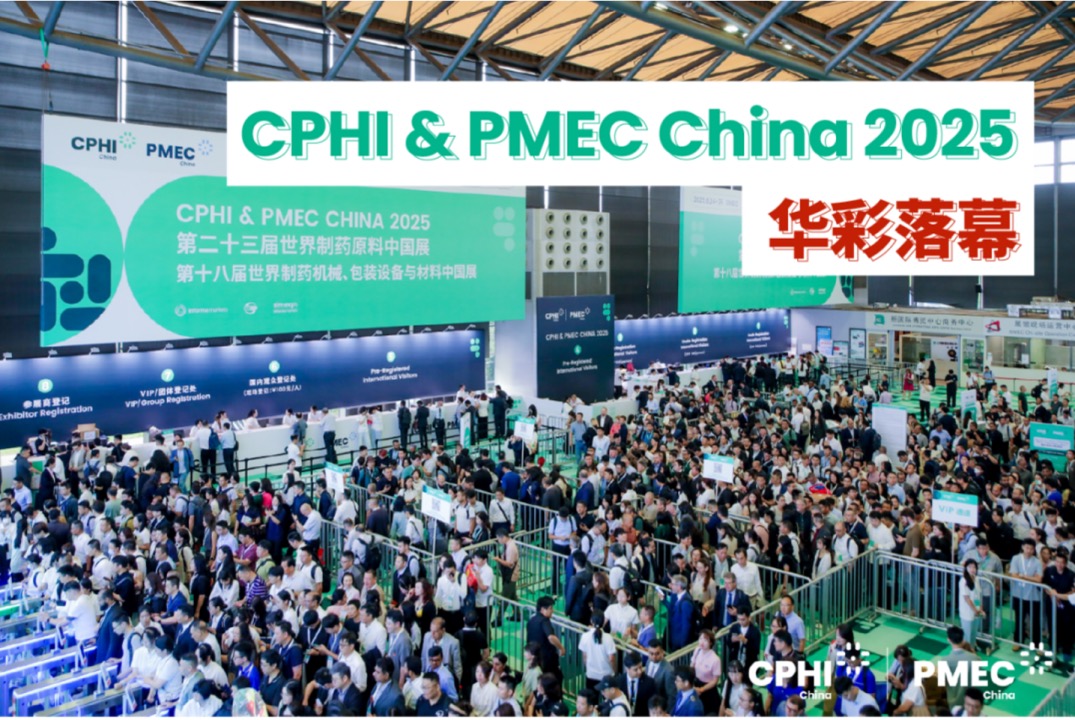
CPHI China 2025 ended successfully | Syntame talks with customers around the world about new opportunities for cooperation
CPHI China 2025 ended successfully | Syntame talks with customers around the world about new opportunities for cooperation

The company team made a stunning appearance at the 22nd World Pharmaceutical Raw Materials China Exhibition (CPHI) at the Shanghai New International Expo Centre.
The company's sales team successfully participated in the 21st World Pharmaceutical Raw Materials China Exhibition (CPHI) at the Shanghai New International Expo Centre.