

Understanding Disintegrants: Key Components in Pharmaceutical Formulation
Apr 11,2026


The mechanism by which disintegrants operate involves the promotion of liquid penetration into the tablet matrix, leading to swelling and subsequent disintegration. There are various types of disintegrants, including superdisintegrants and traditional disintegrants, each with unique properties and applications. Superdisintegrants are often preferred for their efficiency, requiring lower concentrations to achieve desired disintegration times. Examples include sodium starch glycolate and croscarmellose sodium, which provide rapid disintegration and improved bioavailability.
When selecting a disintegrant, several factors must be considered to optimize the formulation. These factors include the type of API, the desired release profile, and the overall formulation characteristics. For instance, if a rapid onset of action is required, a fast-disintegrating formulation with an appropriate superdisintegrant may be ideal. Conversely, for extended-release formulations, a slower disintegration rate may be more beneficial.
Furthermore, the compatibility of disintegrants with other excipients and the API itself is crucial. Interactions between components can influence the stability and efficacy of the final product. Conducting compatibility studies during the formulation development process can help identify potential issues early, ensuring the integrity of the formulation.
In recent years, advancements in technology have led to the development of novel disintegrants that offer enhanced performance. Researchers are continually exploring natural polysaccharides and synthetic materials that can provide improved disintegration efficiency while maintaining biocompatibility and safety.
In conclusion, disintegrants are a cornerstone in the formulation of pharmaceutical products, significantly impacting drug solubility, absorption, and ultimately therapeutic efficacy. Understanding their function and selection criteria is essential for professionals in the pharmaceutical field, as it directly relates to the quality and effectiveness of drug delivery systems. By carefully choosing and optimizing disintegrants, formulators can enhance patient outcomes and ensure the success of their pharmaceutical products.
Syntame Exhibition Tour 2025

CPHI South East Asia 2025 comes to a successful conclusion | SYNTAME opens a new chapter in the Southeast Asian market
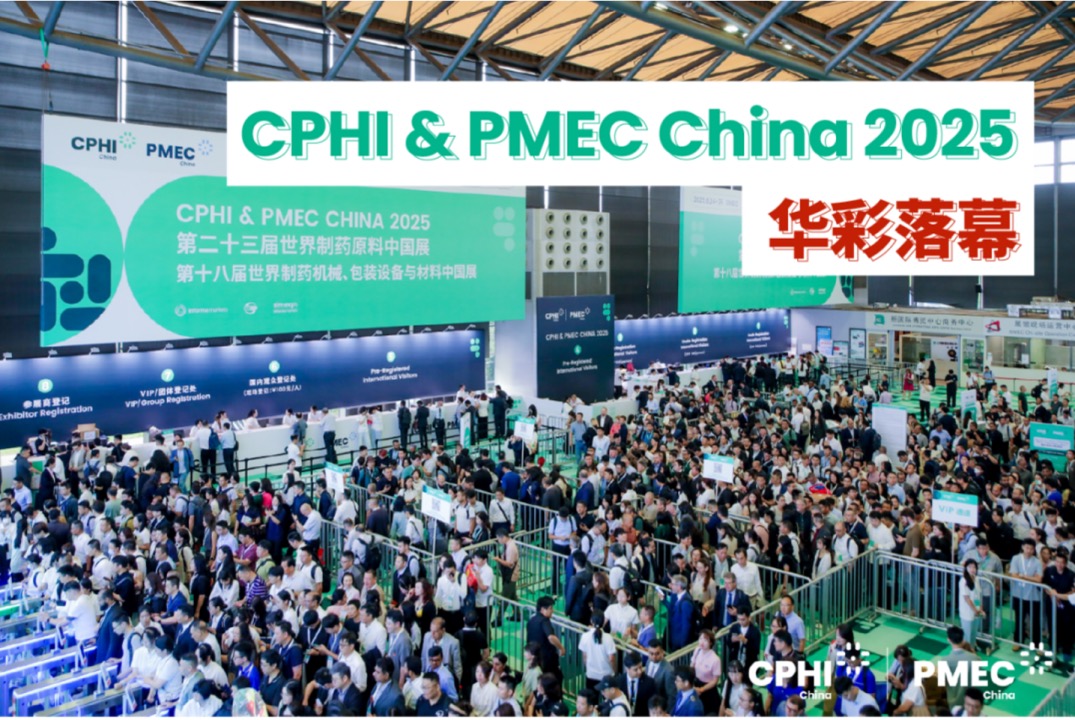
CPHI China 2025 ended successfully | Syntame talks with customers around the world about new opportunities for cooperation

The company team made a stunning appearance at the 22nd World Pharmaceutical Raw Materials China Exhibition (CPHI) at the Shanghai New International Expo Centre.
The company's sales team successfully participated in the 21st World Pharmaceutical Raw Materials China Exhibition (CPHI) at the Shanghai New International Expo Centre.

No.298 Mingguang Road, Urban Industrial Park, Yinzhou District, Ningbo City, Zhejiang Province, P.R. China