
Understanding Intermediate Molecules in Pharmaceutical Development
Apr 05,2026


In the pharmaceutical industry, "intermediate molecules" are critical components in the synthesis of active pharmaceutical ingredients (APIs) and other medicinal products. These molecules serve as the building blocks for more complex compounds, and understanding their role is vital for optimizing drug development processes.
Intermediate molecules are typically formed during the multi-step synthesis of APIs. In a chemical reaction pathway, these molecules arise as transient entities before being transformed into the final medicinal product. Their importance lies not only in their ability to facilitate the production of APIs but also in their potential to influence the efficiency and effectiveness of the drug development process.
One key aspect of intermediate molecules is that they can impact the purity and yield of the final product. Controlling the synthesis process to minimize impurities in intermediate molecules is crucial, as contaminants can lead to significant issues during the later stages of drug development, including regulatory hurdles and product recalls. As such, the selection of reaction conditions, catalysts, and purification techniques are critical to ensuring that intermediate molecules are of high quality.
Moreover, the study of intermediate molecules can unveil insights into the reaction mechanisms and pathways involved in drug synthesis. By analyzing these molecules, chemists can identify bottlenecks in the production process and optimize reaction conditions, increasing the overall efficiency of API synthesis. This not only accelerates time-to-market for new drugs but also can reduce production costs, which is a significant advantage in the highly competitive pharmaceutical sector.
Intermediate molecules also play a role in drug formulation and stability. Understanding their properties can assist in predicting how the final drug product will behave under various storage conditions. Stability studies often examine the behavior of both intermediate and final products over time, providing valuable information that can influence formulation strategies.
In conclusion, intermediate molecules are an essential aspect of pharmaceutical development. Their role extends from being mere byproducts of chemical reactions to critical factors that can determine the success and safety of drug products. For professionals in the pharmaceutical industry, a thorough understanding of intermediate molecules is not only beneficial but necessary for advancing drug development efforts and ensuring the delivery of high-quality medicines to patients. Recognizing their significance can lead to innovations in synthesis and formulation, ultimately enhancing therapeutic outcomes.
Intermediate molecules are typically formed during the multi-step synthesis of APIs. In a chemical reaction pathway, these molecules arise as transient entities before being transformed into the final medicinal product. Their importance lies not only in their ability to facilitate the production of APIs but also in their potential to influence the efficiency and effectiveness of the drug development process.
One key aspect of intermediate molecules is that they can impact the purity and yield of the final product. Controlling the synthesis process to minimize impurities in intermediate molecules is crucial, as contaminants can lead to significant issues during the later stages of drug development, including regulatory hurdles and product recalls. As such, the selection of reaction conditions, catalysts, and purification techniques are critical to ensuring that intermediate molecules are of high quality.
Moreover, the study of intermediate molecules can unveil insights into the reaction mechanisms and pathways involved in drug synthesis. By analyzing these molecules, chemists can identify bottlenecks in the production process and optimize reaction conditions, increasing the overall efficiency of API synthesis. This not only accelerates time-to-market for new drugs but also can reduce production costs, which is a significant advantage in the highly competitive pharmaceutical sector.
Intermediate molecules also play a role in drug formulation and stability. Understanding their properties can assist in predicting how the final drug product will behave under various storage conditions. Stability studies often examine the behavior of both intermediate and final products over time, providing valuable information that can influence formulation strategies.
In conclusion, intermediate molecules are an essential aspect of pharmaceutical development. Their role extends from being mere byproducts of chemical reactions to critical factors that can determine the success and safety of drug products. For professionals in the pharmaceutical industry, a thorough understanding of intermediate molecules is not only beneficial but necessary for advancing drug development efforts and ensuring the delivery of high-quality medicines to patients. Recognizing their significance can lead to innovations in synthesis and formulation, ultimately enhancing therapeutic outcomes.
Syntame Exhibition Tour 2026

CPHI China 2026 Concludes Successfully | Shentai Bio Will Continue to Focus on High-Content Pharmaceutical Raw Material Solutions

CPHI South East Asia 2025 comes to a successful conclusion | SYNTAME opens a new chapter in the Southeast Asian market
CPHI South East Asia 2025 comes to a successful conclusion | SYNTAME opens a new chapter in the Southeast Asian market
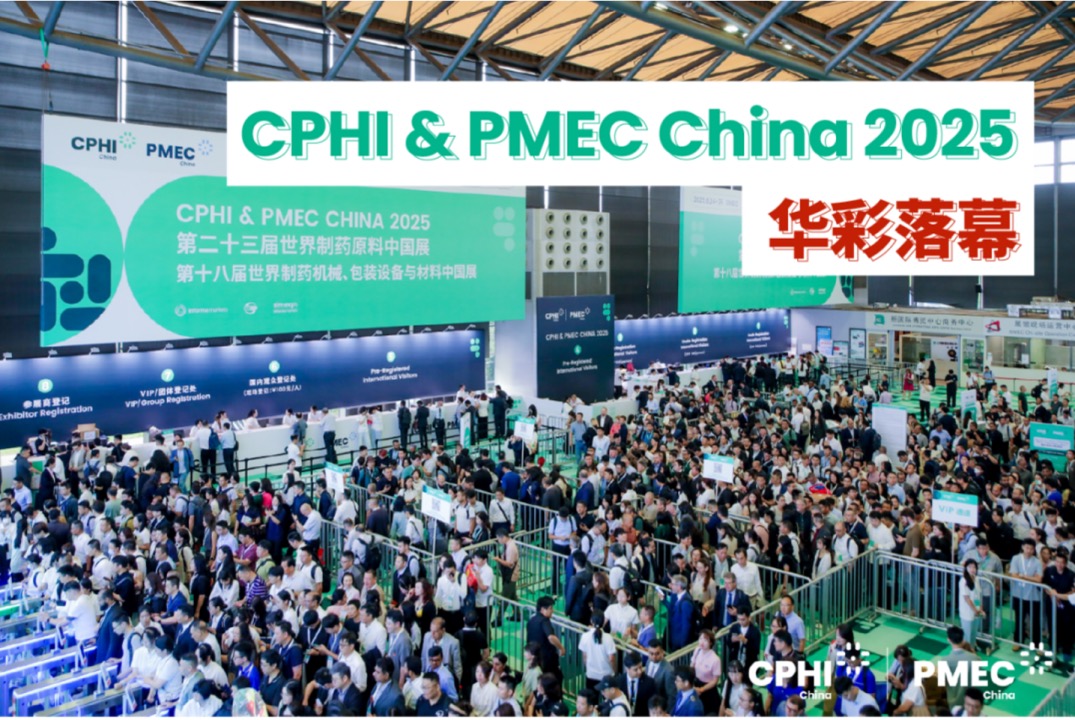
CPHI China 2025 ended successfully | Syntame talks with customers around the world about new opportunities for cooperation
CPHI China 2025 ended successfully | Syntame talks with customers around the world about new opportunities for cooperation

The company team made a stunning appearance at the 22nd World Pharmaceutical Raw Materials China Exhibition (CPHI) at the Shanghai New International Expo Centre.

No.298 Mingguang Road, Urban Industrial Park, Yinzhou District, Ningbo City, Zhejiang Province, P.R. China