
Why Bulk Drug Intermediates are Essential for Drug Development Success
Apr 02,2026


Why Bulk Drug Intermediates are Essential for Drug Development Success
Table of Contents
- 1. Introduction to Bulk Drug Intermediates
- 2. Definition of Bulk Drug Intermediates
- 3. The Role of Bulk Drug Intermediates in Pharmaceutical Development
- 4. Manufacturing Process of Bulk Drug Intermediates
- 5. Cost-Effectiveness of Bulk Drug Intermediates
- 6. Ensuring Quality with Bulk Drug Intermediates
- 7. Regulatory Compliance and Bulk Drug Intermediates
- 8. Future Trends in Bulk Drug Intermediates
- 9. Conclusion
- 10. FAQs about Bulk Drug Intermediates
1. Introduction to Bulk Drug Intermediates
In the ever-evolving landscape of pharmaceutical development, the importance of **bulk drug intermediates** cannot be overstated. These substances serve as crucial building blocks in the formulation of active pharmaceutical ingredients (APIs). As pharmaceutical companies strive for innovation and efficiency, understanding the significance of bulk drug intermediates is essential for anyone involved in drug development and manufacturing processes.
2. Definition of Bulk Drug Intermediates
Bulk drug intermediates are defined as chemical compounds that are produced during the synthesis of active pharmaceutical ingredients. They play a vital role in the overall drug development process, acting as precursors that undergo further modifications to yield the final medicinal product. These intermediates can vary widely in terms of chemical structure, complexity, and application, making them integral to the pharmaceutical industry's productivity and success.
2.1 Types of Bulk Drug Intermediates
There are several types of bulk drug intermediates, each serving a specific function in drug synthesis. Some common categories include:
- **Simple intermediates**: Basic chemical compounds that require minimal processing.
- **Complex intermediates**: More sophisticated compounds that undergo multiple steps in their synthesis.
- **Chiral intermediates**: Compounds that possess chirality, which is essential for the activity of certain drugs.
3. The Role of Bulk Drug Intermediates in Pharmaceutical Development
Bulk drug intermediates serve several critical functions in pharmaceutical development, including:
- **Facilitating API synthesis**: They are essential components that help streamline the process of converting raw materials into effective medications.
- **Enhancing formulation stability**: Using high-quality intermediates contributes to the stability and efficacy of the final drug product.
- **Reducing development time**: The availability of bulk drug intermediates can significantly shorten the timeline of drug development by simplifying the synthesis process.
3.1 Case Studies: Success Stories
Several pharmaceutical companies have successfully leveraged bulk drug intermediates to enhance their drug development processes. For example, the use of a specific bulk drug intermediate allowed a leading pharmaceutical company to reduce the production time of a widely used antibiotic by 30%. This not only improved their market competitiveness but also contributed to faster patient access to essential medications.
4. Manufacturing Process of Bulk Drug Intermediates
The manufacturing of bulk drug intermediates involves a series of meticulously controlled processes, ensuring the highest quality and consistency. The process typically includes:
- **Raw material selection**: High-quality raw materials are critical for producing reliable bulk drug intermediates.
- **Synthesis methods**: Various methods, including chemical reactions and purifications, are employed to create the intermediates.
- **Quality control**: Rigorous testing and validation ensure that the intermediates meet the required pharmaceutical standards before they proceed to the next stage of drug development.
4.1 Innovations in Manufacturing
Advancements in technology have led to innovative manufacturing processes that enhance the efficiency and purity of bulk drug intermediates. Continuous flow chemistry, for example, has emerged as a preferred method due to its ability to reduce reaction times and improve yield.
5. Cost-Effectiveness of Bulk Drug Intermediates
The selection of bulk drug intermediates can have a profound impact on the overall cost-effectiveness of drug development. By optimizing the choice of intermediates, pharmaceutical companies can achieve significant savings in several areas:
- **Reduced production costs**: Streamlined manufacturing processes lead to lower resource consumption and waste.
- **Minimized research and development expenses**: Efficient use of bulk drug intermediates can expedite the drug development timeline, thereby reducing associated costs.
- **Enhanced market competitiveness**: Lower production costs can enable pharmaceutical companies to offer more competitive pricing for their products.
6. Ensuring Quality with Bulk Drug Intermediates
Quality assurance is paramount in drug development, and bulk drug intermediates play a significant role in ensuring that the final drug products meet stringent regulatory standards. Key aspects include:
- **Quality control measures**: Regular testing and monitoring of intermediates during the manufacturing process guarantee compliance with quality standards.
- **Supplier qualifications**: Partnering with reputable suppliers who adhere to good manufacturing practices (GMP) ensures that the intermediates used in drug formulations are of the highest quality.
- **Documentation and traceability**: Maintaining thorough documentation throughout the manufacturing process allows for traceability and accountability, which is vital for regulatory compliance.
7. Regulatory Compliance and Bulk Drug Intermediates
Pharmaceutical companies must navigate a complex landscape of regulations when developing drugs. Bulk drug intermediates must comply with various regulatory requirements, including:
- **Good Manufacturing Practices (GMP)**: Ensuring that the manufacturing process adheres to established standards for quality.
- **Environmental regulations**: Compliance with environmental laws regarding the disposal of chemical waste generated during the production of intermediates.
- **Documentation requirements**: Maintaining accurate records of manufacturing processes, quality control measures, and supplier qualifications for regulatory inspections.
8. Future Trends in Bulk Drug Intermediates
As the pharmaceutical landscape continues to evolve, several trends are shaping the future of bulk drug intermediates:
- **Sustainability**: Increasing pressure to adopt environmentally friendly practices is driving the development of greener manufacturing processes.
- **Personalized medicine**: The rise of personalized medicine is creating demand for tailored bulk drug intermediates that can meet specific patient needs.
- **Digital transformation**: The integration of digital technologies in manufacturing processes is facilitating greater efficiency and transparency in bulk drug intermediate production.
9. Conclusion
In summary, bulk drug intermediates are indispensable to the drug development process. They streamline manufacturing, enhance cost-effectiveness, ensure quality, and comply with regulatory standards. Understanding the multifaceted role of these intermediates is crucial for pharmaceutical companies seeking to navigate the complexities of drug development successfully. As the industry moves forward, embracing innovation and sustainability in the production of bulk drug intermediates will be essential for continued success and advancement in drug efficacy and accessibility.
10. FAQs about Bulk Drug Intermediates
What are bulk drug intermediates?
Bulk drug intermediates are chemical compounds produced during the synthesis of active pharmaceutical ingredients. They serve as essential precursors in the drug development process.
Why are bulk drug intermediates important?
They play a critical role in facilitating API synthesis, enhancing formulation stability, and reducing drug development timelines, ultimately contributing to the success of pharmaceutical manufacturing.
How do bulk drug intermediates affect drug costs?
The selection and quality of bulk drug intermediates can significantly impact production costs, R&D expenses, and market competitiveness, allowing pharmaceutical companies to optimize their pricing strategies.
What regulatory standards apply to bulk drug intermediates?
Bulk drug intermediates must adhere to Good Manufacturing Practices (GMP), environmental regulations, and documentation requirements to ensure compliance with pharmaceutical standards.
What are some future trends for bulk drug intermediates?
Future trends include a focus on sustainability, personalized medicine, and the digital transformation of manufacturing processes to enhance efficiency and transparency.
Shentai Exhibition Tour 2025

CPHI South East Asia 2025 comes to a successful conclusion | SYNTAME opens a new chapter in the Southeast Asian market
CPHI South East Asia 2025 comes to a successful conclusion | SYNTAME opens a new chapter in the Southeast Asian market
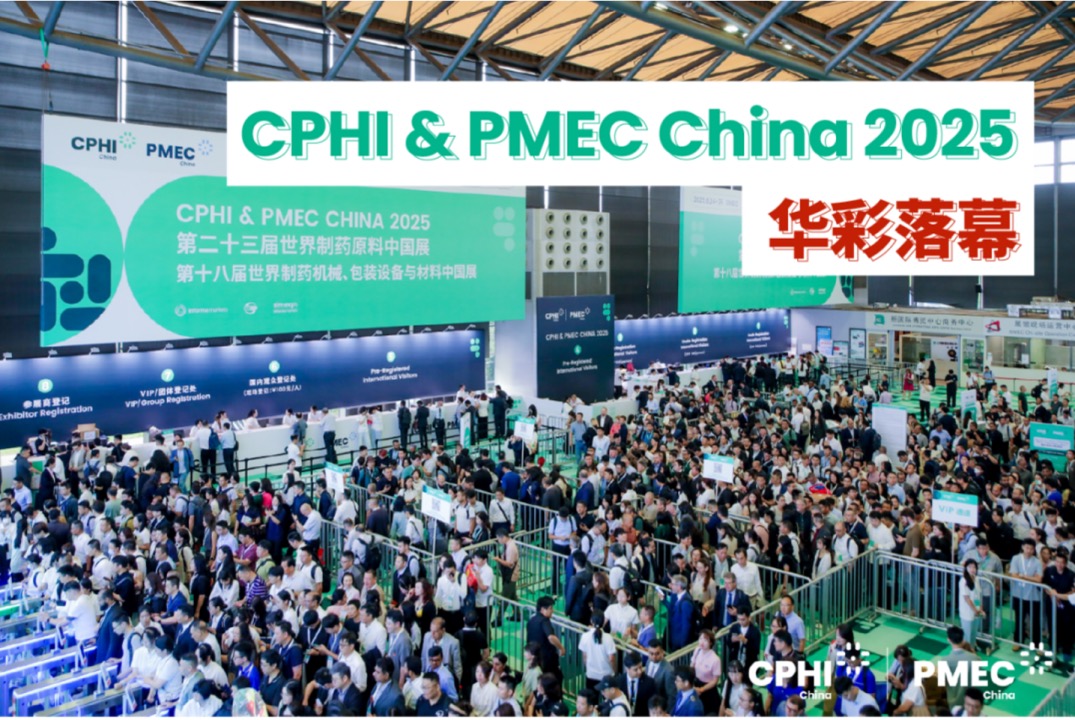
CPHI China 2025 ended successfully | Syntame talks with customers around the world about new opportunities for cooperation
CPHI China 2025 ended successfully | Syntame talks with customers around the world about new opportunities for cooperation

The company team made a stunning appearance at the 22nd World Pharmaceutical Raw Materials China Exhibition (CPHI) at the Shanghai New International Expo Centre.
The company's sales team successfully participated in the 21st World Pharmaceutical Raw Materials China Exhibition (CPHI) at the Shanghai New International Expo Centre.