

Why Disintegrants Are Essential for Effective Drug Delivery
Mar 21,2026


Why Disintegrants Are Essential for Effective Drug Delivery
In the ever-evolving field of pharmaceuticals, the development of effective drug delivery systems is crucial for ensuring patient compliance and therapeutic success. Among the various components that contribute to this process, **disintegrants** play a pivotal role. This article delves into the importance of disintegrants in drug formulations and their impact on delivering medications effectively.
Table of Contents
- Introduction to Disintegrants in Drug Delivery
- What Are Disintegrants?
- Types of Disintegrants Used in Pharmaceuticals
- Mechanism of Action of Disintegrants
- Importance of Disintegrants in Drug Formulation
- Challenges in Using Disintegrants
- Future Trends in Disintegrant Technology
- Conclusion
- Frequently Asked Questions
Introduction to Disintegrants in Drug Delivery
The concept of drug delivery involves more than just administering a medication; it encompasses the entire process of ensuring that the drug is released at the right time, in the right place, and at the right dosage. Disintegrants are substances that facilitate the breakdown of tablet formulations into smaller particles; this is a critical step that influences the drug's bioavailability. By promoting this disintegration process, disintegrants ensure that active pharmaceutical ingredients (APIs) dissolve efficiently, leading to faster absorption into the bloodstream.
What Are Disintegrants?
Disintegrants are excipients used in tablet formulations that promote the breakup of the tablet into smaller fragments upon contact with moisture. This action allows for the rapid release of the active ingredients, thus improving the overall efficacy of the drug.
Key Characteristics of Disintegrants
- **Hydrophilicity**: Many disintegrants are hydrophilic, allowing them to absorb water quickly, which promotes swelling and fragmentation.
- **Particle Size**: The size of the disintegrant particles can influence the rate and efficiency of the disintegration process.
- **Chemical Compatibility**: Disintegrants must be chemically compatible with the other components in the formulation to avoid adverse reactions.
Types of Disintegrants Used in Pharmaceuticals
There are several categories of disintegrants, each with distinct properties and applications:
1. Starch-Based Disintegrants
Starch is one of the most widely used disintegrants in tablet formulations. When exposed to moisture, starch granules swell significantly, leading to tablet disintegration.
2. Cellulose-Based Disintegrants
Microcrystalline cellulose (MCC) is a common cellulose derivative used for its excellent disintegrating properties. It absorbs moisture and swells, aiding in the breakup of the tablet.
3. Synthetic Disintegrants
Polymers such as sodium starch glycolate and croscarmellose sodium are synthetic disintegrants that provide rapid disintegration and are often used in high-dose formulations.
4. Natural Disintegrants
Natural disintegrants like guar gum and xanthan gum are derived from plant sources and offer a sustainable option for formulating eco-friendly medications.
Mechanism of Action of Disintegrants
The action of disintegrants can be explained through two primary mechanisms:
1. Swelling Mechanism
Upon contact with moisture, disintegrants absorb water and swell, exerting pressure on the tablet matrix. This pressure causes the tablet to crack and break apart.
2. Penetration Mechanism
Disintegrants may also promote the penetration of liquid into the tablet structure, which accelerates the disintegration process. This dual action enhances the dissolution rate of the active ingredients.
Importance of Disintegrants in Drug Formulation
Disintegrants are crucial in the pharmaceutical industry for several reasons:
1. Enhanced Bioavailability
By ensuring that the active ingredients dissolve quickly, disintegrants significantly improve the bioavailability of oral medications. This is especially important for poorly soluble drugs.
2. Consistency in Drug Delivery
Disintegrants help maintain a consistent release profile, which is vital for achieving the desired therapeutic effect and ensuring patient safety.
3. Patient Compliance
Fast-disintegrating tablets improve patient experience, particularly for those who have difficulty swallowing pills. This enhances adherence to medication regimens.
Challenges in Using Disintegrants
Despite their advantages, the use of disintegrants is not without challenges:
1. Formulation Compatibility
Selecting disintegrants that are compatible with all formulation components is essential to avoid any negative interactions that could compromise drug efficacy.
2. Over-Disintegration
Using excessive amounts of disintegrants can lead to over-disintegration, resulting in rapid release that may not be suitable for all drugs, particularly those requiring controlled release.
3. Regulatory Considerations
The regulatory landscape for pharmaceuticals can pose challenges in selecting and using disintegrants. Manufacturers must ensure compliance with guidelines set by health authorities.
Future Trends in Disintegrant Technology
The field of disintegrants is continually evolving as researchers explore new materials and technologies. Some future trends include:
1. Development of Novel Disintegrants
The exploration of new natural and synthetic materials that offer improved disintegration properties and reduced side effects is ongoing.
2. Personalized Medicine
With the rise of personalized medicine, disintegrants that can be tailored to individual patient needs will become increasingly important.
3. Focus on Sustainability
There is a growing emphasis on using sustainable and biodegradable disintegrants to minimize the impact on the environment.
Conclusion
Disintegrants are an essential component of effective drug delivery systems, playing a critical role in enhancing bioavailability and patient compliance. Understanding the types, mechanisms, and importance of disintegrants can greatly improve the formulation of pharmaceuticals. As the industry continues to innovate, the future of disintegrants looks promising, paving the way for more effective and patient-friendly drug delivery methods.
Frequently Asked Questions
1. What are the most common types of disintegrants used in pharmaceuticals?
The most common disintegrants include starch-based, cellulose-based, synthetic, and natural disintegrants.
2. How do disintegrants enhance the bioavailability of drugs?
Disintegrants promote quick disintegration of tablets, allowing the active ingredients to dissolve rapidly and be absorbed efficiently in the bloodstream.
3. Are there any side effects associated with disintegrants?
Generally, disintegrants are considered safe; however, compatibility with other formulation components must be ensured to avoid adverse reactions.
4. Can disintegrants affect the stability of the drug formulation?
Yes, the choice of disintegrant can impact the stability of the formulation, necessitating careful selection and testing during development.
5. What is the role of disintegrants in the production of fast-dissolving tablets?
Disintegrants are crucial in fast-dissolving tablets as they facilitate rapid breakdown and dissolution, contributing to quick onset of action.
This comprehensive article offers valuable insights into the role of disintegrants in drug delivery, positioning your content to outrank competing sources in search engine results.
Shentai Exhibition Tour 2025

CPHI South East Asia 2025 comes to a successful conclusion | SYNTAME opens a new chapter in the Southeast Asian market
CPHI South East Asia 2025 comes to a successful conclusion | SYNTAME opens a new chapter in the Southeast Asian market
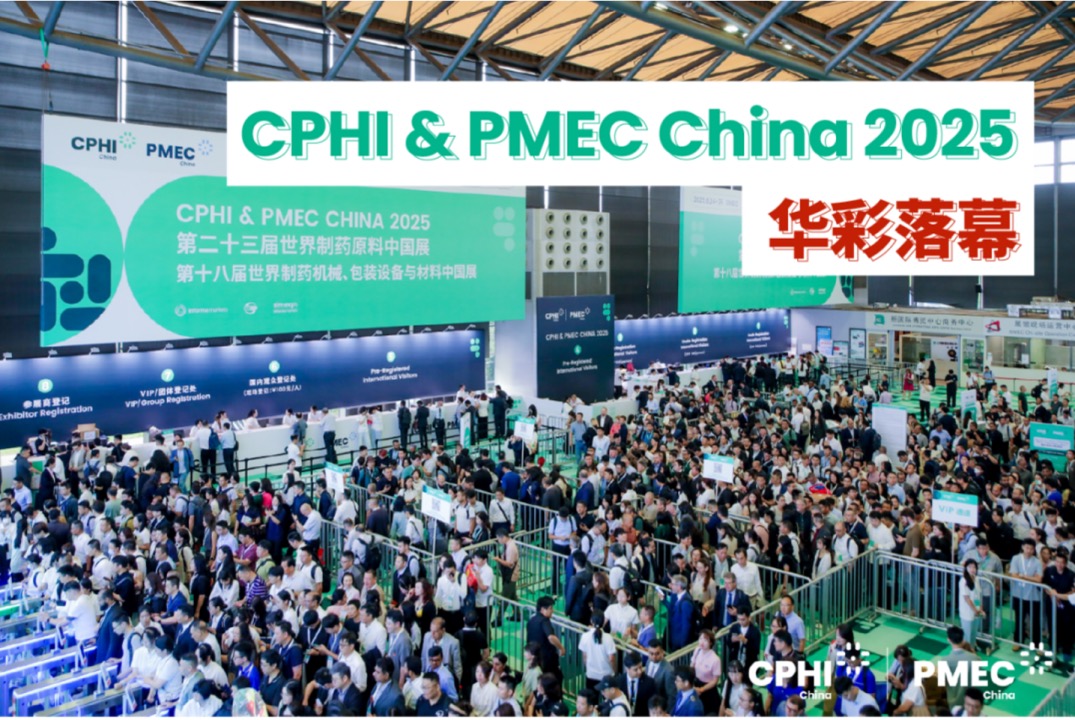
CPHI China 2025 ended successfully | Syntame talks with customers around the world about new opportunities for cooperation
CPHI China 2025 ended successfully | Syntame talks with customers around the world about new opportunities for cooperation

The company team made a stunning appearance at the 22nd World Pharmaceutical Raw Materials China Exhibition (CPHI) at the Shanghai New International Expo Centre.
The company's sales team successfully participated in the 21st World Pharmaceutical Raw Materials China Exhibition (CPHI) at the Shanghai New International Expo Centre.