

Unlocking the Power of Functional Excipients in Pharmaceutical Development
Mar 18,2026


In the field of pharmaceutical development, the term "functional excipients" refers to a category of inactive substances that play a critical role in the formulation of drug products. These excipients are not merely fillers; they are integral to the performance, stability, and delivery of medications. Understanding the importance of functional excipients can help professionals in the pharmaceutical industry optimize their formulations and improve patient outcomes.
Functional excipients serve multiple purposes in drug formulations. One of their primary roles is to enhance the solubility and bioavailability of active pharmaceutical ingredients (APIs). Many drugs have poor solubility in water, which can limit their effectiveness. By incorporating specific excipients, formulators can facilitate the dissolution of these drugs in biological fluids, allowing for better absorption in the body. For example, surfactants can reduce surface tension and improve the wetting properties of APIs, thereby enhancing their solubility.
Another important function of excipients is to aid in the stability of drug formulations. Various factors, such as temperature, humidity, and light, can lead to the degradation of APIs. Functional excipients can act as stabilizers, protecting the integrity of the drug over its shelf life. Antioxidants, for instance, can prevent oxidative degradation, ensuring that the drug remains effective and safe for consumption.
Moreover, functional excipients play a vital role in the drug delivery system. They can influence the release profile of the drug, ensuring that it is delivered at the right time and in the right amount. For extended-release formulations, excipients can be designed to control the rate at which the drug is released into the bloodstream, providing a prolonged therapeutic effect. This aspect of functional excipients is crucial for improving patient adherence to medication regimens, as it can minimize dosing frequency and enhance convenience.
In addition to these functions, functional excipients can also improve the overall sensory properties of pharmaceutical products. They can enhance taste masking for oral formulations, ensuring that patients, especially children, are more willing to take their medications. The right choice of excipients can make a significant difference in the acceptance of a drug product.
In summary, functional excipients are indispensable components in the pharmaceutical industry. Their multifaceted roles contribute not only to the efficacy and stability of drug formulations but also to patient compliance. As the pharmaceutical landscape continues to evolve with advancements in technology and an increasing focus on personalized medicine, the understanding and application of functional excipients will remain a critical area of research and development for professionals in the field.
Functional excipients serve multiple purposes in drug formulations. One of their primary roles is to enhance the solubility and bioavailability of active pharmaceutical ingredients (APIs). Many drugs have poor solubility in water, which can limit their effectiveness. By incorporating specific excipients, formulators can facilitate the dissolution of these drugs in biological fluids, allowing for better absorption in the body. For example, surfactants can reduce surface tension and improve the wetting properties of APIs, thereby enhancing their solubility.
Another important function of excipients is to aid in the stability of drug formulations. Various factors, such as temperature, humidity, and light, can lead to the degradation of APIs. Functional excipients can act as stabilizers, protecting the integrity of the drug over its shelf life. Antioxidants, for instance, can prevent oxidative degradation, ensuring that the drug remains effective and safe for consumption.
Moreover, functional excipients play a vital role in the drug delivery system. They can influence the release profile of the drug, ensuring that it is delivered at the right time and in the right amount. For extended-release formulations, excipients can be designed to control the rate at which the drug is released into the bloodstream, providing a prolonged therapeutic effect. This aspect of functional excipients is crucial for improving patient adherence to medication regimens, as it can minimize dosing frequency and enhance convenience.
In addition to these functions, functional excipients can also improve the overall sensory properties of pharmaceutical products. They can enhance taste masking for oral formulations, ensuring that patients, especially children, are more willing to take their medications. The right choice of excipients can make a significant difference in the acceptance of a drug product.
In summary, functional excipients are indispensable components in the pharmaceutical industry. Their multifaceted roles contribute not only to the efficacy and stability of drug formulations but also to patient compliance. As the pharmaceutical landscape continues to evolve with advancements in technology and an increasing focus on personalized medicine, the understanding and application of functional excipients will remain a critical area of research and development for professionals in the field.
Shentai Exhibition Tour 2025

CPHI South East Asia 2025 comes to a successful conclusion | SYNTAME opens a new chapter in the Southeast Asian market
CPHI South East Asia 2025 comes to a successful conclusion | SYNTAME opens a new chapter in the Southeast Asian market
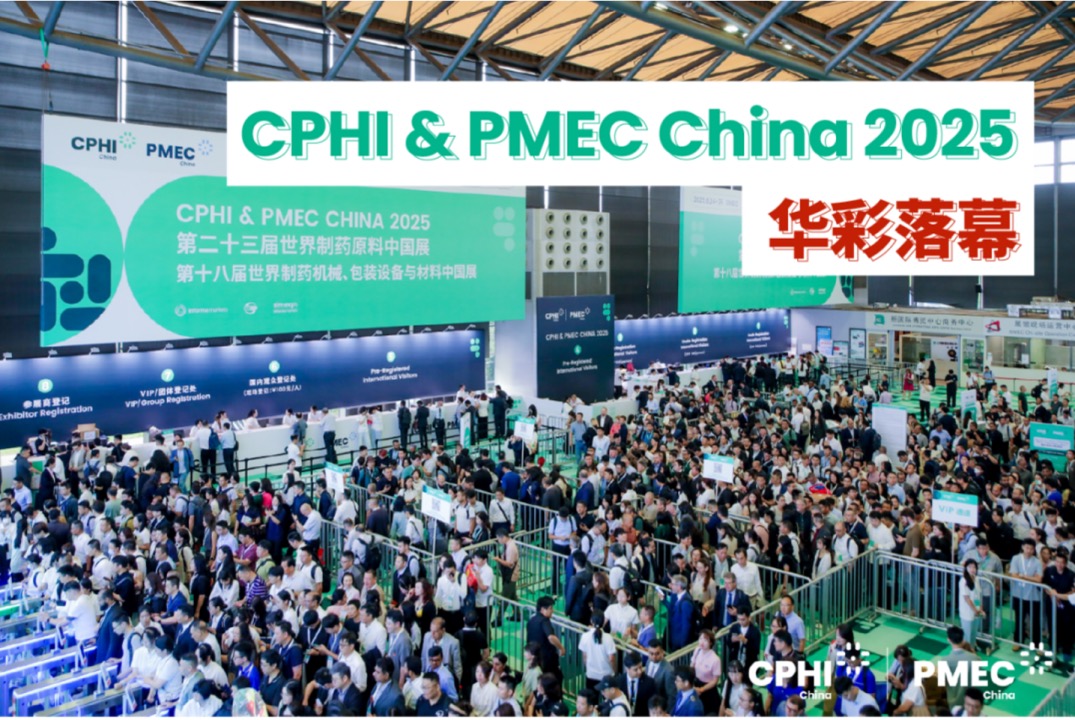
CPHI China 2025 ended successfully | Syntame talks with customers around the world about new opportunities for cooperation
CPHI China 2025 ended successfully | Syntame talks with customers around the world about new opportunities for cooperation

The company team made a stunning appearance at the 22nd World Pharmaceutical Raw Materials China Exhibition (CPHI) at the Shanghai New International Expo Centre.
The company's sales team successfully participated in the 21st World Pharmaceutical Raw Materials China Exhibition (CPHI) at the Shanghai New International Expo Centre.