
The Vital Role of Intermediate Molecules in Advancing Biotech Innovations
Mar 15,2026


The Vital Role of Intermediate Molecules in Advancing Biotech Innovations
Table of Contents
- 1. Introduction to Intermediate Molecules
- 2. Understanding Biotech Developments
- 3. The Critical Function of Intermediate Molecules
- 4. Applications of Intermediate Molecules in Drug Development
- 5. Role in Pharmaceutical Manufacturing
- 6. Challenges in Using Intermediate Molecules
- 7. Future Perspectives on Intermediate Molecules
- 8. Frequently Asked Questions
1. Introduction to Intermediate Molecules
Intermediate molecules, often termed intermediates, represent a crucial stage in the synthesis of complex biological products. These molecules act as building blocks or precursors in the multifaceted processes of biotechnological advancements. They are not the final products but are essential for the production of therapeutics, vaccines, and diagnostics. Understanding their characteristics and functions is key to leveraging their potential in innovative biotech solutions.
2. Understanding Biotech Developments
Biotechnology has revolutionized the pharmaceutical industry by enabling the development of novel therapeutics and enhancing existing treatments. Key developments include gene therapy, monoclonal antibodies, and personalized medicine, which all heavily rely on the effective use of intermediate molecules. By creating a harmonious blend of biology and technology, biotech companies aim to provide more effective and targeted treatment options for a variety of diseases.
3. The Critical Function of Intermediate Molecules
Intermediate molecules serve several functions in biotechnological processes:
3.1 Building Blocks for Complex Structures
Intermediate molecules provide the necessary structures for synthesizing larger and more complex biomolecules. For example, amino acids serve as intermediates in protein synthesis, while nucleotides are vital for nucleic acid formation.
3.2 Enabling Chemical Reactions
In many biochemical pathways, intermediate molecules facilitate essential chemical reactions. They provide a medium for the enzymatic reactions that drive metabolic processes, influencing both the speed and efficiency of these reactions.
3.3 Stabilizing Chemical Pathways
Intermediate molecules stabilize the pathways of biochemical syntheses. By existing within the reaction mechanism, they help maintain the integrity of the process, ensuring that the end product is produced efficiently and effectively.
4. Applications of Intermediate Molecules in Drug Development
Intermediate molecules play a vital role across multiple stages of drug development:
4.1 Preclinical Development
During preclinical development, intermediate molecules are synthesized to create potential drug candidates. These molecules undergo rigorous testing to evaluate their efficacy and safety profiles before moving on to clinical trials.
4.2 Clinical Trials
In clinical trials, intermediates are essential for the formulation of drug products. They are used in various formulations to optimize bioavailability and therapeutic effectiveness. The selection of appropriate intermediates can significantly influence the outcomes of these trials.
4.3 Production and Quality Control
Intermediate molecules are also critical in the large-scale production of pharmaceuticals. They help maintain consistency and quality throughout the manufacturing process, ensuring that the final product meets regulatory standards.
5. Role in Pharmaceutical Manufacturing
The pharmaceutical manufacturing process heavily depends on intermediate molecules. They are crucial in the synthesis and purification of active pharmaceutical ingredients (APIs). The efficiency of these processes is often determined by the quality and availability of intermediates. Here are some key aspects of their role:
5.1 Synthesis of Active Ingredients
The synthesis of APIs often involves multiple steps, with intermediate molecules playing a central role in each stage. Their presence can enhance reaction yields and reduce production times, ultimately resulting in lower costs.
5.2 Streamlining Production Processes
Intermediate molecules can simplify complex manufacturing processes. By optimizing the pathway of synthesis, manufacturers can achieve higher efficiency, which is essential in meeting increasing demands for drugs.
5.3 Regulatory Compliance
Intermediate molecules must meet stringent regulatory standards. Their quality is rigorously assessed to ensure that they do not introduce impurities into the final product. Compliance with Good Manufacturing Practices (GMP) is paramount in maintaining product safety and efficacy.
6. Challenges in Using Intermediate Molecules
While intermediate molecules are critical, their use is not without challenges:
6.1 Sourcing and Supply Chain Issues
The availability of high-quality intermediate molecules can pose significant challenges. Disruptions in the supply chain can halt production processes, leading to delays in drug development.
6.2 Quality Control and Standardization
Ensuring the quality of intermediate molecules is crucial. Variations in quality can affect the consistency of the final product, leading to potential safety issues and regulatory setbacks.
7. Future Perspectives on Intermediate Molecules
The future of biotechnology hinges on the continued innovation surrounding intermediate molecules. Emerging technologies, such as synthetic biology and automated synthesis, promise to enhance the efficiency and quality of intermediates. As researchers explore novel pathways and synthesis methods, the potential for advanced therapeutic solutions expands.
7.1 Integration of AI and Machine Learning
Artificial Intelligence (AI) and machine learning are beginning to play a significant role in optimizing the synthesis of intermediate molecules. These technologies can predict outcomes and streamline processes, making drug development faster and more efficient.
7.2 Collaboration Across Disciplines
Cross-disciplinary collaboration between chemists, biologists, and data scientists will further enhance the potential of intermediate molecules. By merging expertise, the industry can tackle complex challenges and innovate in drug development.
8. Frequently Asked Questions
8.1 What are intermediate molecules?
Intermediate molecules are compounds that play a crucial role in the synthesis of complex biological products. They act as building blocks in various biochemical processes.
8.2 How do intermediate molecules impact drug development?
Intermediate molecules are essential in creating potential drug candidates, optimizing formulations, and ensuring quality control during production.
8.3 What challenges are associated with intermediate molecules?
Challenges include sourcing quality intermediates, maintaining regulatory compliance, and managing supply chain disruptions.
8.4 How do AI and machine learning affect the use of intermediate molecules?
AI and machine learning can optimize the synthesis processes of intermediate molecules, enhancing efficiency and predicting outcomes in drug development.
8.5 What is the future of intermediate molecules in biotechnology?
The future looks promising with advancements in technology, leading to innovative solutions and improved drug development processes.
Conclusion
The significance of intermediate molecules in biotechnology cannot be overstated. They serve as foundational elements in the development of life-saving therapies and pharmaceuticals. As we advance further into the realm of biotechnology, a deeper understanding and innovative application of these molecules will be pivotal. By addressing challenges and embracing technological advancements, the potential of intermediate molecules to transform healthcare is immense, promising a brighter future in medical solutions and therapeutic approaches.
Shentai Exhibition Tour 2025

CPHI South East Asia 2025 comes to a successful conclusion | SYNTAME opens a new chapter in the Southeast Asian market
CPHI South East Asia 2025 comes to a successful conclusion | SYNTAME opens a new chapter in the Southeast Asian market
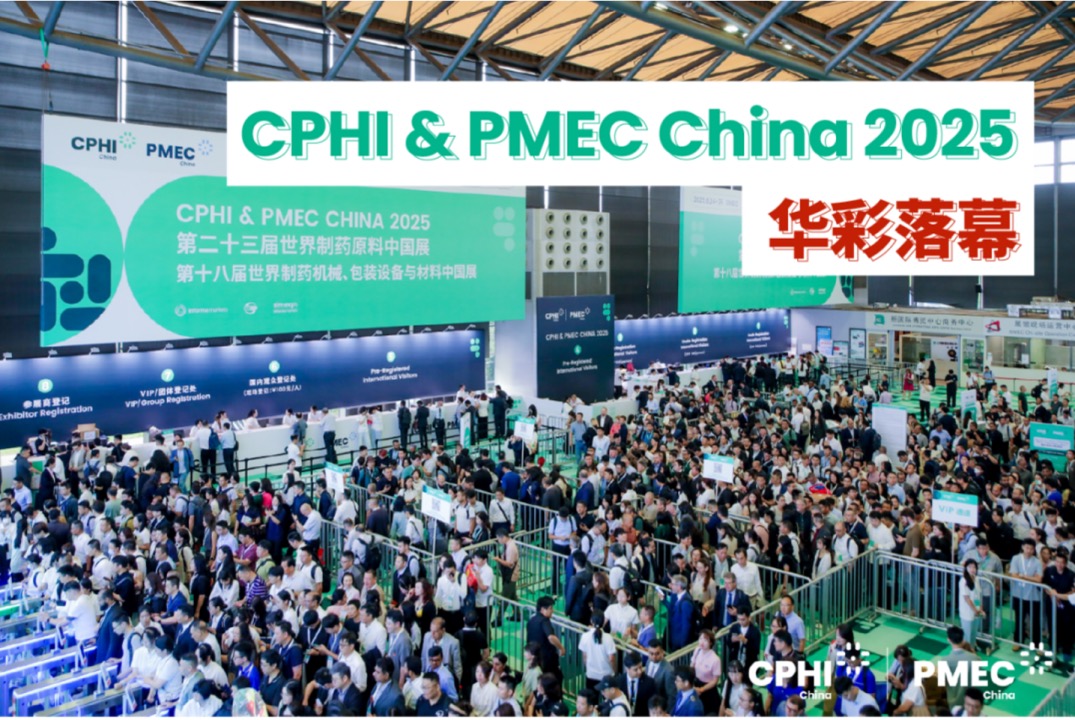
CPHI China 2025 ended successfully | Syntame talks with customers around the world about new opportunities for cooperation
CPHI China 2025 ended successfully | Syntame talks with customers around the world about new opportunities for cooperation

The company team made a stunning appearance at the 22nd World Pharmaceutical Raw Materials China Exhibition (CPHI) at the Shanghai New International Expo Centre.
The company's sales team successfully participated in the 21st World Pharmaceutical Raw Materials China Exhibition (CPHI) at the Shanghai New International Expo Centre.