
Understanding Bulk Drug Intermediates: The Backbone of Pharmaceutical Manufacturing
Mar 12,2026


Bulk drug intermediates, often abbreviated as BDIs, are crucial components in the pharmaceutical manufacturing process. They serve as the building blocks for active pharmaceutical ingredients (APIs) and play a significant role in the overall production of medicinal products. Understanding BDIs is essential for professionals in the pharmaceutical and chemical sectors, as they directly influence the efficiency, cost, and quality of drug manufacturing.
The production of bulk drug intermediates involves a series of complex chemical reactions and processes. Typically, BDIs are synthesized through multi-step reactions that may include various techniques such as condensation, oxidation, and reduction. The choice of synthesis route is crucial, as it affects not only the yield and purity of the intermediates but also the environmental impact of the manufacturing process. Companies are increasingly focusing on green chemistry principles to minimize waste and reduce harmful byproducts, which is becoming a key consideration in the production of BDIs.
In terms of regulatory compliance, the production of bulk drug intermediates must adhere to stringent guidelines set forth by health authorities. The Good Manufacturing Practices (GMP) regulations ensure that BDIs are produced in a consistent and controlled environment, which is vital for ensuring the safety and efficacy of the final pharmaceutical products. Companies must invest in rigorous quality control measures and testing protocols to guarantee that their intermediates meet the required standards.
The significance of bulk drug intermediates extends beyond manufacturing; they are also crucial for research and development. BDIs are often used in preclinical and clinical trials to assess the efficacy and safety of new drugs. Their availability and affordability can significantly influence the overall success of drug development projects. Therefore, maintaining a reliable supply chain for BDIs is critical for pharmaceutical companies seeking to bring new therapies to market quickly.
Furthermore, the global demand for bulk drug intermediates is expected to grow as the pharmaceutical industry continues to evolve. Factors such as the increasing prevalence of chronic diseases, the rise of personalized medicine, and advancements in biopharmaceuticals are driving the need for innovative BDIs. Companies that can strategically position themselves in this market space, by investing in R&D and optimizing production processes, are likely to gain a competitive advantage.
In conclusion, bulk drug intermediates are indispensable in the pharmaceutical industry, impacting the quality and availability of medical products. As the industry faces evolving challenges and opportunities, understanding the intricacies of BDIs will be essential for professionals aiming to succeed in this dynamic field.
The production of bulk drug intermediates involves a series of complex chemical reactions and processes. Typically, BDIs are synthesized through multi-step reactions that may include various techniques such as condensation, oxidation, and reduction. The choice of synthesis route is crucial, as it affects not only the yield and purity of the intermediates but also the environmental impact of the manufacturing process. Companies are increasingly focusing on green chemistry principles to minimize waste and reduce harmful byproducts, which is becoming a key consideration in the production of BDIs.
In terms of regulatory compliance, the production of bulk drug intermediates must adhere to stringent guidelines set forth by health authorities. The Good Manufacturing Practices (GMP) regulations ensure that BDIs are produced in a consistent and controlled environment, which is vital for ensuring the safety and efficacy of the final pharmaceutical products. Companies must invest in rigorous quality control measures and testing protocols to guarantee that their intermediates meet the required standards.
The significance of bulk drug intermediates extends beyond manufacturing; they are also crucial for research and development. BDIs are often used in preclinical and clinical trials to assess the efficacy and safety of new drugs. Their availability and affordability can significantly influence the overall success of drug development projects. Therefore, maintaining a reliable supply chain for BDIs is critical for pharmaceutical companies seeking to bring new therapies to market quickly.
Furthermore, the global demand for bulk drug intermediates is expected to grow as the pharmaceutical industry continues to evolve. Factors such as the increasing prevalence of chronic diseases, the rise of personalized medicine, and advancements in biopharmaceuticals are driving the need for innovative BDIs. Companies that can strategically position themselves in this market space, by investing in R&D and optimizing production processes, are likely to gain a competitive advantage.
In conclusion, bulk drug intermediates are indispensable in the pharmaceutical industry, impacting the quality and availability of medical products. As the industry faces evolving challenges and opportunities, understanding the intricacies of BDIs will be essential for professionals aiming to succeed in this dynamic field.
Shentai Exhibition Tour 2025

CPHI South East Asia 2025 comes to a successful conclusion | SYNTAME opens a new chapter in the Southeast Asian market
CPHI South East Asia 2025 comes to a successful conclusion | SYNTAME opens a new chapter in the Southeast Asian market
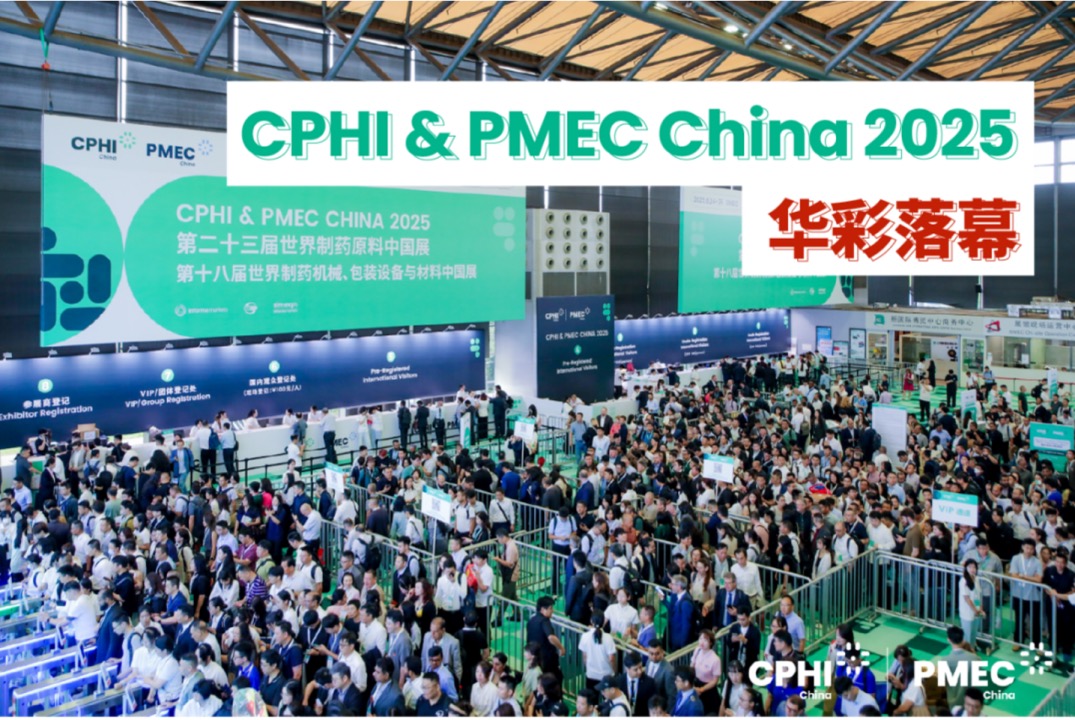
CPHI China 2025 ended successfully | Syntame talks with customers around the world about new opportunities for cooperation
CPHI China 2025 ended successfully | Syntame talks with customers around the world about new opportunities for cooperation

The company team made a stunning appearance at the 22nd World Pharmaceutical Raw Materials China Exhibition (CPHI) at the Shanghai New International Expo Centre.
The company's sales team successfully participated in the 21st World Pharmaceutical Raw Materials China Exhibition (CPHI) at the Shanghai New International Expo Centre.