

How Active Compounds Are Revolutionizing Health Solutions: A Comprehensive Exploration
Mar 09,2026


How Active Compounds Are Revolutionizing Health Solutions
Table of Contents
- Understanding Active Compounds
- The Science Behind Active Compounds
- Active Compounds in Modern Medicine
- Therapeutic Applications of Active Compounds
- Active Compounds in Nutrition and Dietary Supplements
- Future Trends in Active Compound Research
- Challenges and Opportunities in Active Compound Usage
- Conclusion
- FAQs
Understanding Active Compounds
Active compounds are bioactive substances that exert a significant impact on biological systems. They can be derived from natural sources, such as plants, animals, and microorganisms, or synthetically produced in laboratories. These compounds play crucial roles in various health solutions, including pharmaceuticals, nutraceuticals, and cosmetics.
Each active compound has a unique mechanism of action, which can influence cellular processes, modulate immune responses, and alter biochemical pathways. Understanding these mechanisms is vital for developing effective health solutions tailored to specific medical needs.
The Importance of Active Compounds in Healthcare
The integration of active compounds into healthcare has revolutionized the landscape of treatment options. By harnessing the power of these compounds, researchers and healthcare professionals can create therapies that not only target symptoms but also address underlying causes. This approach leads to more personalized and effective treatment plans.
The Science Behind Active Compounds
Active compounds often interact with specific receptors within the body, leading to a cascade of physiological effects. For instance, compounds like curcumin (found in turmeric) and resveratrol (found in red wine) have been studied for their anti-inflammatory and antioxidant properties. Scientific research has validated their efficacy in reducing the risk of chronic diseases, such as heart disease and cancer.
Mechanisms of Action
The mechanisms of action for many active compounds involve complex biochemical interactions. For instance, flavonoids, which are polyphenolic compounds found in fruits and vegetables, can modulate signaling pathways that regulate inflammation and oxidative stress. Understanding these pathways is crucial for identifying potential therapeutic applications.
Active Compounds in Modern Medicine
The pharmaceutical industry heavily relies on active compounds to develop medications that treat various health conditions. These compounds are often isolated, synthesized, and modified to enhance their therapeutic properties.
Notable Active Compounds in Pharmaceuticals
Several active compounds have made significant contributions to modern medicine:
- **Aspirin**: Derived from willow bark, it is widely used for its anti-inflammatory and analgesic properties.
- **Penicillin**: Discovered by Alexander Fleming, this antibiotic revolutionized the treatment of bacterial infections.
- **Statins**: These compounds lower cholesterol levels and reduce the risk of cardiovascular diseases.
Therapeutic Applications of Active Compounds
Active compounds have diverse therapeutic applications across various medical fields. Their multi-faceted nature allows for innovative treatment solutions.
Oncology
In oncology, active compounds like paclitaxel are crucial in chemotherapy regimens. They target rapidly dividing cancer cells, hindering their growth and proliferation.
Neurology
Active compounds such as donepezil are used to manage Alzheimer’s disease symptoms. They work by increasing levels of acetylcholine, a neurotransmitter involved in memory and cognition.
Cardiology
Numerous active compounds, including beta-blockers and ACE inhibitors, play vital roles in managing heart conditions by regulating blood pressure and heart rate.
Active Compounds in Nutrition and Dietary Supplements
Active compounds are not limited to pharmaceuticals; they are also prevalent in nutritional supplements. These compounds can enhance health and well-being by providing essential nutrients and bioactive molecules.
Common Dietary Supplements and Their Active Compounds
- **Omega-3 Fatty Acids**: Found in fish oil, these compounds are known for their anti-inflammatory effects and cardiovascular benefits.
- **Probiotics**: Live microorganisms that provide health benefits, particularly for gut health.
- **Vitamins and Minerals**: Essential nutrients that play fundamental roles in various physiological processes.
Future Trends in Active Compound Research
As research in the field of active compounds continues to advance, several trends are emerging that may shape the future of health solutions.
Personalized Medicine
The future of medicine lies in personalized approaches that consider individual genetic profiles. Active compounds can be tailored to align with a patient’s unique biochemical makeup, enhancing therapeutic efficacy.
Natural and Synthetic Combinations
Combining natural compounds with synthetic drugs is gaining traction. This strategy aims to create synergistic effects, improving treatment outcomes while minimizing side effects.
Challenges and Opportunities in Active Compound Usage
Despite their potential, the use of active compounds in health solutions comes with challenges that need addressing.
Regulatory Hurdles
The approval process for new active compounds can be lengthy and complex, often hindering timely access to innovative treatments. Streamlining regulatory pathways could facilitate quicker introductions to the market.
Quality and Standardization Issues
Ensuring the quality and consistency of active compounds, especially those sourced from natural products, is crucial. Standardization practices must be implemented to guarantee safety and efficacy.
Conclusion
Active compounds are at the forefront of a healthcare revolution. Their diverse applications and significant impact on treatment efficacy underscore their importance in modern medicine. As research evolves, the potential for these compounds to improve health outcomes will only grow.
By understanding the science behind active compounds, their therapeutic applications, and the emerging trends in research, we can appreciate the transformative role they play in revolutionizing health solutions. The future of healthcare will undoubtedly be shaped by our continued exploration of these powerful substances.
FAQs
1. What are active compounds?
Active compounds are bioactive substances that affect biological systems and can be derived from natural or synthetic sources.
2. How do active compounds work in the body?
They interact with specific receptors and biochemical pathways, leading to physiological effects that can aid in treatment.
3. Are there any risks associated with active compounds?
Yes, potential risks include side effects, interactions with other medications, and variations in individual responses.
4. Can active compounds be used in dietary supplements?
Absolutely, many active compounds are incorporated into dietary supplements to provide health benefits.
5. What is the future of active compound research?
The future trends include personalized medicine, combining natural and synthetic compounds, and advancements in quality assurance and regulatory processes.
Shentai Exhibition Tour 2025

CPHI South East Asia 2025 comes to a successful conclusion | SYNTAME opens a new chapter in the Southeast Asian market
CPHI South East Asia 2025 comes to a successful conclusion | SYNTAME opens a new chapter in the Southeast Asian market
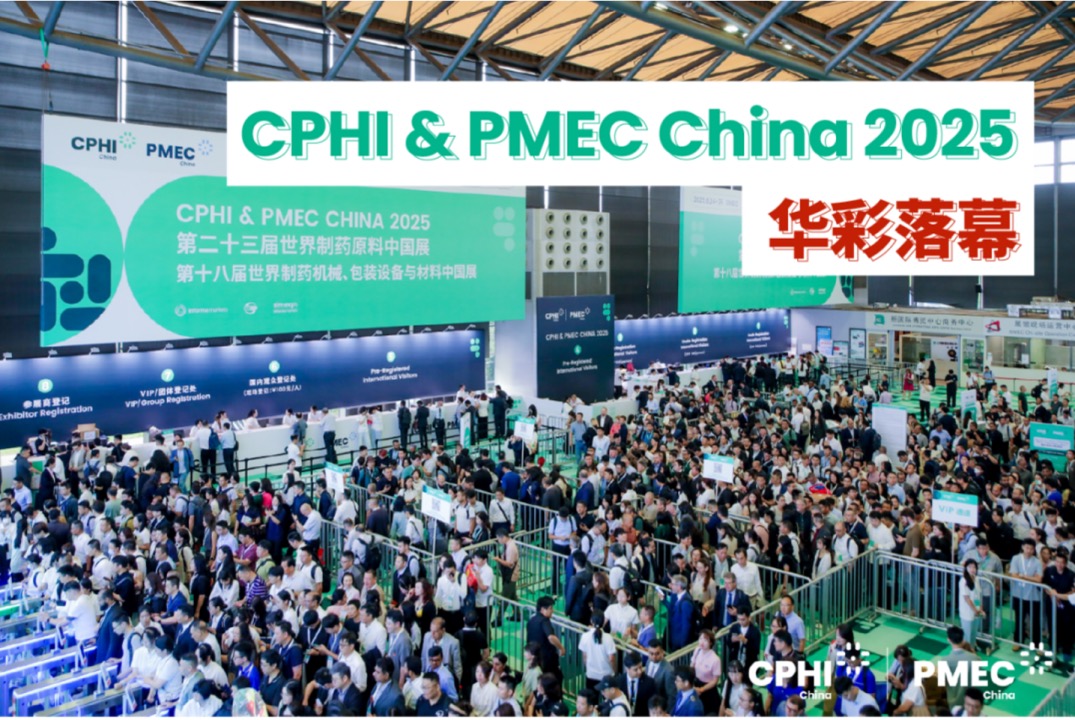
CPHI China 2025 ended successfully | Syntame talks with customers around the world about new opportunities for cooperation
CPHI China 2025 ended successfully | Syntame talks with customers around the world about new opportunities for cooperation

The company team made a stunning appearance at the 22nd World Pharmaceutical Raw Materials China Exhibition (CPHI) at the Shanghai New International Expo Centre.
The company's sales team successfully participated in the 21st World Pharmaceutical Raw Materials China Exhibition (CPHI) at the Shanghai New International Expo Centre.