

Exploring the Role of Functional Excipients in Modern Pharmaceuticals
Feb 25,2026


Exploring the Role of Functional Excipients in Modern Pharmaceuticals
Table of Contents
1. Introduction to Functional Excipients
2. Understanding the Importance of Excipients in Pharmaceuticals
3. Types of Functional Excipients
3.1. Binders
3.2. Fillers and Diluents
3.3. Disintegrants
3.4. Coatings
3.5. Preservatives
4. The Innovative Advancements in Functional Excipients
5. The Role of Functional Excipients in Drug Formulation
6. Regulatory Considerations for Functional Excipients
7. Challenges in the Use of Functional Excipients
8. Future Trends in Functional Excipients for Pharmaceuticals
9. Frequently Asked Questions (FAQs)
10. Conclusion
1. Introduction to Functional Excipients
In the world of pharmaceuticals, **functional excipients** play a pivotal role in the formulation of drugs. These substances, often referred to as inactive ingredients, serve various functions that facilitate the delivery and effectiveness of active pharmaceutical ingredients (APIs). While they may not have therapeutic effects themselves, their importance cannot be underestimated. They enhance the stability, bioavailability, and overall performance of the final product.
2. Understanding the Importance of Excipients in Pharmaceuticals
Excipients are crucial in the pharmaceutical industry, acting as carriers for APIs and ensuring the efficient delivery of medication. They help in the formulation process by providing necessary characteristics such as **stability**, **solubility**, and **taste masking**. Furthermore, excipients can also influence the **release profile** of drugs, enhancing patient compliance and therapeutic outcomes.
The right choice of excipient can significantly alter the performance of a drug, making the understanding of their roles essential for pharmaceutical scientists and formulators.
3. Types of Functional Excipients
Functional excipients can be classified into several categories based on their specific roles in pharmaceutical formulations. This section will explore the primary types of functional excipients used in modern pharmaceuticals.
3.1. Binders
Binders are essential in tablet formulations. They help hold the ingredients together and provide mechanical strength to the tablets. Common examples include **hydroxypropyl methylcellulose (HPMC)** and **polyvinyl pyrrolidone (PVP)**. The choice of binder can affect the tablet's hardness, disintegration, and dissolution properties.
3.2. Fillers and Diluents
Fillers and diluents are used to increase the bulk of the formulation, making it easier to handle and process. For instance, **lactose** is a widely used filler that adds volume without significantly affecting the drug's performance. It is crucial in solid dosage forms, where the volume of the active ingredient may be too low for practical application.
3.3. Disintegrants
Disintegrants facilitate the breakdown of the tablet or capsule in the gastrointestinal tract, ensuring that the API is released effectively. Substances like **croscarmellose sodium** and **starch** are commonly used disintegrants. Their ability to swell and promote disintegration is vital for ensuring rapid absorption and bioavailability of the drug.
3.4. Coatings
Coatings serve multiple purposes, including enhancing the appearance of the dosage form, providing a barrier to moisture, and controlling the release of the drug. **Enteric coatings** protect drugs from being released in the stomach, ensuring they reach the intestines where they can be absorbed properly.
3.5. Preservatives
Preservatives are critical in formulations to prevent microbial growth and extend shelf life. **Parabens** and **benzoates** are commonly used preservatives that ensure the stability and safety of liquid formulations, particularly in multi-dose containers.
4. The Innovative Advancements in Functional Excipients
Recent advancements in excipient technology have led to the development of **smart excipients** that respond to environmental stimuli such as pH, temperature, and ionic strength. This innovation has opened new avenues for targeted drug delivery systems, enhancing the efficacy of medications while minimizing side effects.
Additionally, the rise of **nanotechnology** in the formulation of excipients has resulted in improved solubility and bioavailability for poorly soluble drugs. This is particularly important in addressing the challenges posed by new drug candidates that exhibit low solubility.
5. The Role of Functional Excipients in Drug Formulation
Functional excipients play a crucial role in the **formulation development** process. They aid in the optimization of drug delivery systems, ensuring that drugs are formulated in a way that maximizes their therapeutic effect.
The selection of suitable excipients can greatly influence critical formulation characteristics, including **dissolution rate**, **stability**, and **bioavailability**. For example, the use of specific disintegrants can accelerate the release of APIs, which is particularly beneficial for immediate-release formulations.
6. Regulatory Considerations for Functional Excipients
Regulatory bodies, such as the Food and Drug Administration (FDA) and the European Medicines Agency (EMA), have established guidelines for the use of excipients in pharmaceuticals. These regulations ensure that excipients used in drug formulations meet stringent safety and quality standards.
In the development of new excipients, manufacturers must provide comprehensive data on the pharmacological properties, compatibility with APIs, and any potential toxicological effects. Compliance with these regulations is essential for the successful approval of new pharmaceutical products.
7. Challenges in the Use of Functional Excipients
Despite their importance, the use of functional excipients presents several challenges. One significant issue is the **incompatibility** between excipients and active pharmaceutical ingredients, which can lead to reduced effectiveness or stability of the final product.
Additionally, the variability in excipient quality from different suppliers can impact the consistency of drug formulations. Pharmaceutical companies must ensure stringent quality control measures are in place to mitigate these risks.
8. Future Trends in Functional Excipients for Pharmaceuticals
The future of functional excipients in pharmaceuticals is promising, with ongoing research focused on developing more sophisticated excipients that can enhance drug delivery and effectiveness. The trend toward **personalized medicine** is likely to drive the demand for excipients that can be tailored to individual patient needs, optimizing therapeutic outcomes.
Furthermore, the integration of **biotechnology** in excipient development is expected to yield innovative solutions that expand the functionality of excipients, addressing current challenges in drug formulation.
9. Frequently Asked Questions (FAQs)
What are functional excipients?
Functional excipients are inactive substances used in drug formulations to aid in the delivery and effectiveness of active pharmaceutical ingredients.
Why are excipients important in pharmaceuticals?
Excipients enhance the stability, bioavailability, and overall performance of drugs, making them crucial for effective medication delivery.
What are some common types of functional excipients?
Common types include binders, fillers, disintegrants, coatings, and preservatives, each serving a specific function in drug formulation.
How do innovative advancements affect functional excipients?
Innovative advancements, such as smart excipients and nanotechnology, improve drug delivery systems and enhance the solubility and bioavailability of poorly soluble drugs.
What regulatory considerations need to be addressed for excipients?
Regulatory bodies require comprehensive safety and quality data for excipients used in pharmaceuticals to ensure compliance with established guidelines.
10. Conclusion
The role of **functional excipients** in modern pharmaceuticals is indispensable. Their ability to enhance drug formulation, stability, and bioavailability plays a crucial role in the effectiveness of medications. As the pharmaceutical industry continues to evolve, ongoing research and innovation in excipient technology will further improve drug delivery systems, ensuring better patient outcomes. Understanding the complexities and advancements in functional excipients is essential for pharmaceutical professionals striving to optimize drug formulations and meet the ever-growing demands of healthcare.
Shentai Exhibition Tour 2025

CPHI South East Asia 2025 comes to a successful conclusion | SYNTAME opens a new chapter in the Southeast Asian market
CPHI South East Asia 2025 comes to a successful conclusion | SYNTAME opens a new chapter in the Southeast Asian market
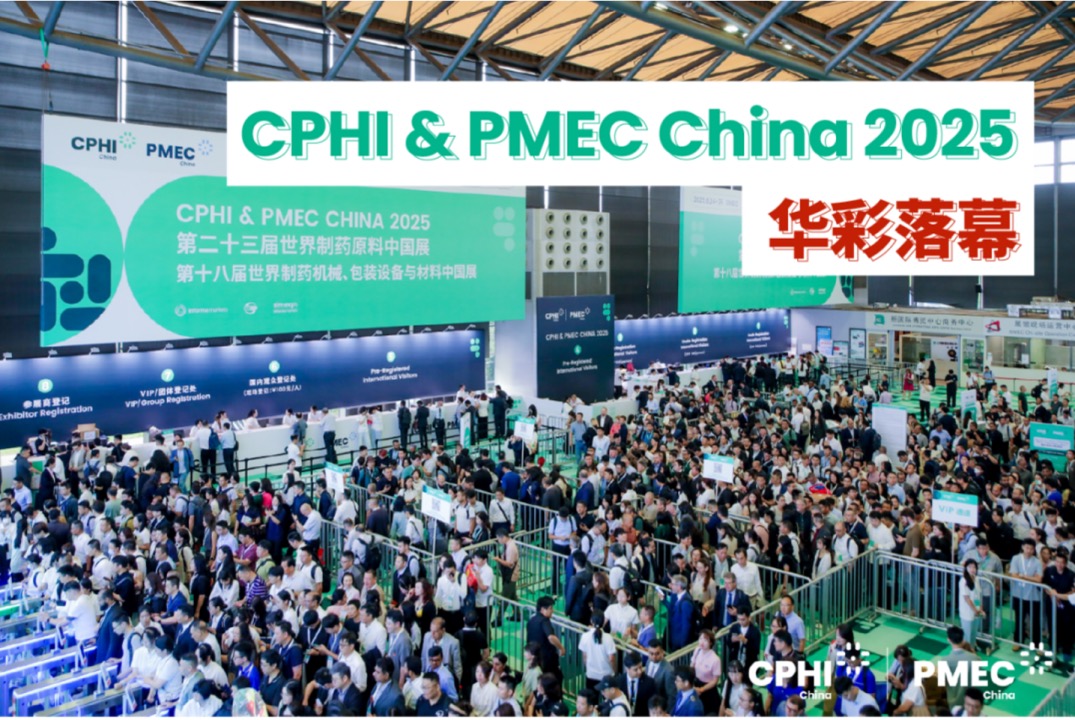
CPHI China 2025 ended successfully | Syntame talks with customers around the world about new opportunities for cooperation
CPHI China 2025 ended successfully | Syntame talks with customers around the world about new opportunities for cooperation

The company team made a stunning appearance at the 22nd World Pharmaceutical Raw Materials China Exhibition (CPHI) at the Shanghai New International Expo Centre.
The company's sales team successfully participated in the 21st World Pharmaceutical Raw Materials China Exhibition (CPHI) at the Shanghai New International Expo Centre.