
Understanding Intermediate Molecules in Pharmaceutical Development
Feb 22,2026


In the realm of pharmaceutical development, the term "intermediate molecules" refers to compounds that serve as crucial building blocks in the synthesis of active pharmaceutical ingredients (APIs). These molecules are generated during the multi-step processes involved in chemical synthesis and are not typically the final marketed product. However, their significance in drug development cannot be overstated, as they often play a pivotal role in determining the efficacy, safety, and overall quality of the final pharmaceutical product.
Intermediate molecules are usually formed through a series of chemical reactions, where simpler starting materials (precursors) undergo transformations. Each step in this process is meticulously controlled to optimize yield and purity. Understanding these intermediate compounds is essential for chemists and pharmaceutical manufacturers, as they provide insights into reaction pathways and mechanisms. This knowledge is crucial for scaling up production and ensuring that the final product meets regulatory standards.
One of the primary reasons for focusing on intermediate molecules is their potential to affect the pharmacological properties of the final drug. For instance, variations in the synthesis of these intermediates can lead to changes in the drug's stability, solubility, and absorption characteristics. As such, researchers must carefully monitor and evaluate these compounds during the development stage to predict how they will impact the final formulation.
Furthermore, intermediate molecules can also serve as important markers for the quality control of pharmaceutical processes. By analyzing these intermediates, scientists can identify deviations in the synthesis process that may indicate potential issues with the final product. This analytical approach is integral to maintaining product integrity and safety, ensuring that the drugs reaching the market are reliable and effective.
In recent years, advancements in analytical techniques and synthetic methods have allowed for more efficient identification and characterization of intermediate molecules. Techniques such as high-performance liquid chromatography (HPLC), mass spectrometry, and nuclear magnetic resonance (NMR) spectroscopy are commonly employed to gain a comprehensive understanding of these compounds. These innovations not only enhance the efficiency of the drug development process but also ensure that the intermediates are produced consistently and reproducibly.
In conclusion, intermediate molecules are vital components in the pharmaceutical industry's drug development pipeline. Their role in influencing the quality and efficacy of final products cannot be overlooked. By gaining a comprehensive understanding of these intermediates, pharmaceutical professionals can improve the synthesis processes and ultimately lead to the creation of safer and more effective medications for patients. As the industry continues to evolve, the focus on these intermediate compounds will undoubtedly remain a critical area of research and development.
Intermediate molecules are usually formed through a series of chemical reactions, where simpler starting materials (precursors) undergo transformations. Each step in this process is meticulously controlled to optimize yield and purity. Understanding these intermediate compounds is essential for chemists and pharmaceutical manufacturers, as they provide insights into reaction pathways and mechanisms. This knowledge is crucial for scaling up production and ensuring that the final product meets regulatory standards.
One of the primary reasons for focusing on intermediate molecules is their potential to affect the pharmacological properties of the final drug. For instance, variations in the synthesis of these intermediates can lead to changes in the drug's stability, solubility, and absorption characteristics. As such, researchers must carefully monitor and evaluate these compounds during the development stage to predict how they will impact the final formulation.
Furthermore, intermediate molecules can also serve as important markers for the quality control of pharmaceutical processes. By analyzing these intermediates, scientists can identify deviations in the synthesis process that may indicate potential issues with the final product. This analytical approach is integral to maintaining product integrity and safety, ensuring that the drugs reaching the market are reliable and effective.
In recent years, advancements in analytical techniques and synthetic methods have allowed for more efficient identification and characterization of intermediate molecules. Techniques such as high-performance liquid chromatography (HPLC), mass spectrometry, and nuclear magnetic resonance (NMR) spectroscopy are commonly employed to gain a comprehensive understanding of these compounds. These innovations not only enhance the efficiency of the drug development process but also ensure that the intermediates are produced consistently and reproducibly.
In conclusion, intermediate molecules are vital components in the pharmaceutical industry's drug development pipeline. Their role in influencing the quality and efficacy of final products cannot be overlooked. By gaining a comprehensive understanding of these intermediates, pharmaceutical professionals can improve the synthesis processes and ultimately lead to the creation of safer and more effective medications for patients. As the industry continues to evolve, the focus on these intermediate compounds will undoubtedly remain a critical area of research and development.
Syntame Exhibition Tour 2026

CPHI China 2026 Concludes Successfully | Shentai Bio Will Continue to Focus on High-Content Pharmaceutical Raw Material Solutions

CPHI South East Asia 2025 comes to a successful conclusion | SYNTAME opens a new chapter in the Southeast Asian market
CPHI South East Asia 2025 comes to a successful conclusion | SYNTAME opens a new chapter in the Southeast Asian market
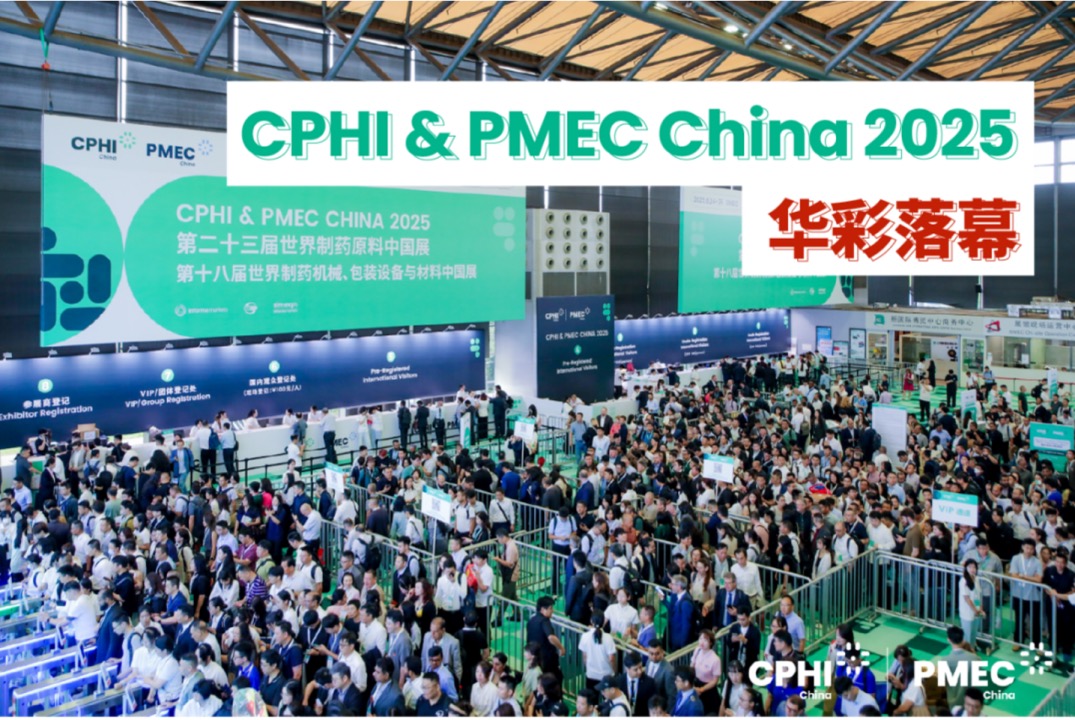
CPHI China 2025 ended successfully | Syntame talks with customers around the world about new opportunities for cooperation
CPHI China 2025 ended successfully | Syntame talks with customers around the world about new opportunities for cooperation

The company team made a stunning appearance at the 22nd World Pharmaceutical Raw Materials China Exhibition (CPHI) at the Shanghai New International Expo Centre.

No.298 Mingguang Road, Urban Industrial Park, Yinzhou District, Ningbo City, Zhejiang Province, P.R. China