

Unlocking the Power of Functional Excipients in Pharmaceutical Chemistry
Feb 04,2026


---
In the pharmaceutical industry, functional excipients are essential components that significantly influence the performance and stability of drug formulations. These excipients serve various purposes, including improving solubility, enhancing bioavailability, and ensuring product stability. Understanding the role and types of functional excipients can help pharmaceutical professionals optimize their formulations and meet regulatory standards.
Functional excipients can be classified into several categories based on their roles in drug formulations. For instance, solubilizers and surfactants are widely used to improve the solubility of poorly soluble drugs. These excipients can facilitate the dissolution of active pharmaceutical ingredients (APIs) in gastrointestinal fluids, ultimately enhancing drug absorption. Polysorbates and cyclodextrins are examples of excipients that serve this function effectively.
Another important category of functional excipients is binders and fillers, which are crucial in tablet formulation. Binders provide the necessary cohesiveness to hold the tablet together, while fillers add bulk to the formulation, ensuring that the tablet is of a manageable size. Common examples include microcrystalline cellulose and lactose. Choosing the right binder and filler can directly impact the tablet's disintegration time, which is vital for achieving optimal bioavailability.
Moreover, functional excipients also play a significant role in modifying the release profile of drugs. Controlled-release excipients, such as polymers, can be incorporated to provide a sustained release of the active ingredient over time. This is particularly beneficial for medications that require a steady concentration in the bloodstream, reducing the frequency of dosing and enhancing patient compliance.
As the pharmaceutical industry evolves, the development of novel functional excipients is gaining traction. Researchers are exploring biocompatible and biodegradable excipients derived from natural sources to meet the growing demand for sustainable pharmaceutical practices. These innovations aim to improve drug delivery systems while minimizing environmental impact.
In conclusion, functional excipients are indispensable in pharmaceutical formulations, contributing to the efficacy and safety of drug products. Pharmaceutical professionals must stay abreast of the latest developments in functional excipients to enhance their formulations and adapt to regulatory requirements. By leveraging the unique properties of these excipients, the industry can achieve better therapeutic outcomes and improved patient experiences. Understanding the intricacies of functional excipients will not only aid in the design of effective drug delivery systems but also foster innovation within pharmaceutical chemistry.
In the pharmaceutical industry, functional excipients are essential components that significantly influence the performance and stability of drug formulations. These excipients serve various purposes, including improving solubility, enhancing bioavailability, and ensuring product stability. Understanding the role and types of functional excipients can help pharmaceutical professionals optimize their formulations and meet regulatory standards.
Functional excipients can be classified into several categories based on their roles in drug formulations. For instance, solubilizers and surfactants are widely used to improve the solubility of poorly soluble drugs. These excipients can facilitate the dissolution of active pharmaceutical ingredients (APIs) in gastrointestinal fluids, ultimately enhancing drug absorption. Polysorbates and cyclodextrins are examples of excipients that serve this function effectively.
Another important category of functional excipients is binders and fillers, which are crucial in tablet formulation. Binders provide the necessary cohesiveness to hold the tablet together, while fillers add bulk to the formulation, ensuring that the tablet is of a manageable size. Common examples include microcrystalline cellulose and lactose. Choosing the right binder and filler can directly impact the tablet's disintegration time, which is vital for achieving optimal bioavailability.
Moreover, functional excipients also play a significant role in modifying the release profile of drugs. Controlled-release excipients, such as polymers, can be incorporated to provide a sustained release of the active ingredient over time. This is particularly beneficial for medications that require a steady concentration in the bloodstream, reducing the frequency of dosing and enhancing patient compliance.
As the pharmaceutical industry evolves, the development of novel functional excipients is gaining traction. Researchers are exploring biocompatible and biodegradable excipients derived from natural sources to meet the growing demand for sustainable pharmaceutical practices. These innovations aim to improve drug delivery systems while minimizing environmental impact.
In conclusion, functional excipients are indispensable in pharmaceutical formulations, contributing to the efficacy and safety of drug products. Pharmaceutical professionals must stay abreast of the latest developments in functional excipients to enhance their formulations and adapt to regulatory requirements. By leveraging the unique properties of these excipients, the industry can achieve better therapeutic outcomes and improved patient experiences. Understanding the intricacies of functional excipients will not only aid in the design of effective drug delivery systems but also foster innovation within pharmaceutical chemistry.
Shentai Exhibition Tour 2025

CPHI South East Asia 2025 comes to a successful conclusion | SYNTAME opens a new chapter in the Southeast Asian market
CPHI South East Asia 2025 comes to a successful conclusion | SYNTAME opens a new chapter in the Southeast Asian market
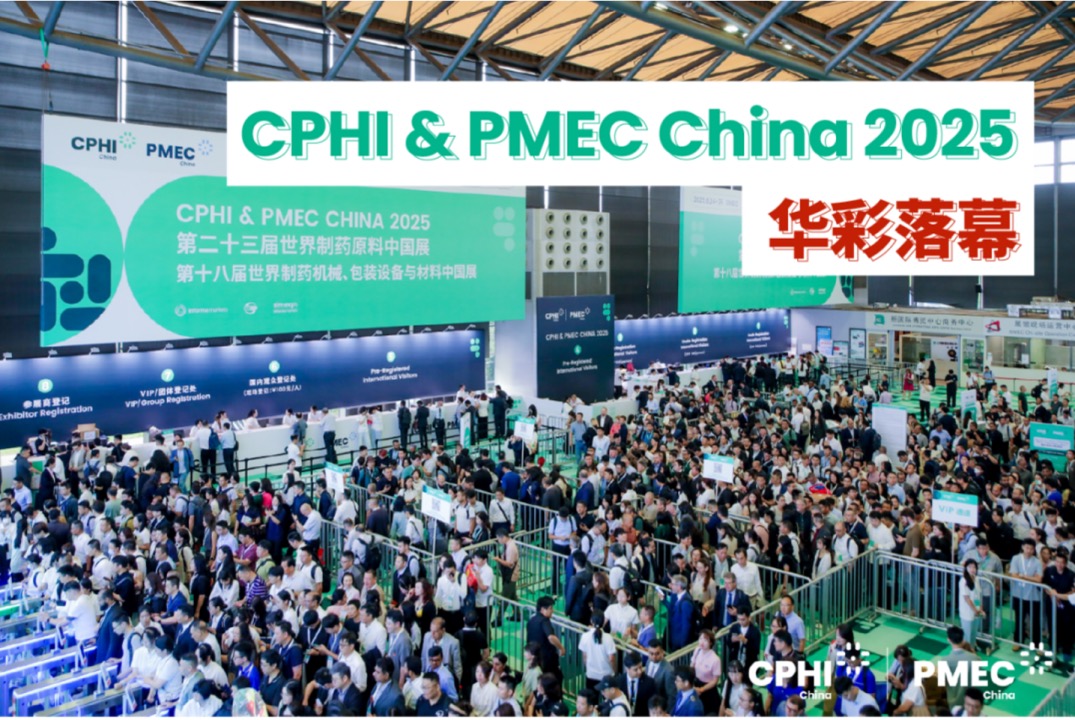
CPHI China 2025 ended successfully | Syntame talks with customers around the world about new opportunities for cooperation
CPHI China 2025 ended successfully | Syntame talks with customers around the world about new opportunities for cooperation

The company team made a stunning appearance at the 22nd World Pharmaceutical Raw Materials China Exhibition (CPHI) at the Shanghai New International Expo Centre.
The company's sales team successfully participated in the 21st World Pharmaceutical Raw Materials China Exhibition (CPHI) at the Shanghai New International Expo Centre.