
Intermediate Molecules: A Foundation for Innovative Medical Solutions
Feb 01,2026


Intermediate Molecules: A Foundation for Innovative Medical Solutions
Table of Contents
1. Introduction to Intermediate Molecules
2. The Role of Intermediate Molecules in Drug Development
3. Types of Intermediate Molecules
3.1 Organic Intermediate Molecules
3.2 Inorganic Intermediate Molecules
4. Key Applications in Therapeutics
4.1 Anticancer Agents
4.2 Antibiotics and Antiviral Drugs
5. Challenges in the Development of Intermediate Molecules
6. Future of Intermediate Molecules in Medicine
7. FAQs about Intermediate Molecules
8. Conclusion
1. Introduction to Intermediate Molecules
In the ever-evolving landscape of medical science, **intermediate molecules** have emerged as pivotal components in the **creation of innovative medical solutions**. These compounds serve as essential building blocks in the synthesis of larger, more complex molecules, ultimately leading to the development of **effective pharmaceuticals**. Understanding intermediate molecules is crucial for researchers, pharmaceutical developers, and healthcare professionals alike, as they hold the key to unlocking new therapeutic potentials.
2. The Role of Intermediate Molecules in Drug Development
Intermediate molecules play a significant role in the pharmaceutical development process. They bridge the gap between simple chemical compounds and advanced drug formulations. The **drug development lifecycle** often begins with the discovery of a lead compound, which is then transformed through a series of chemical reactions involving various intermediate molecules. This process ensures that the final product achieves desired **therapeutic efficacy** and safety standards.
The synthesis of these intermediates requires a deep understanding of **organic and inorganic chemistry**, as well as an ability to manipulate chemical reactions to optimize yield and purity. Pharmaceutical companies heavily invest in research to explore new intermediate structures that could lead to more effective **medications with fewer side effects**.
3. Types of Intermediate Molecules
Understanding the different types of intermediate molecules is essential for grasping their diverse applications in medicine.
3.1 Organic Intermediate Molecules
Organic intermediate molecules, primarily composed of carbon-based compounds, are often used in the synthesis of **antibiotics, antifungals, and anticancer agents**. These molecules are characterized by their complex structures, which can include functional groups that enhance their reactivity and biological activity.
For instance, many **anti-inflammatory drugs** are derived from organic intermediates, which are transformed into active pharmaceutical ingredients (APIs) through various synthetic pathways.
3.2 Inorganic Intermediate Molecules
Inorganic intermediate molecules include metals, salts, and other non-carbon-based compounds. They play vital roles in the synthesis of drugs that require metal ions as part of their structure, such as certain anticancer agents that utilize platinum-based coordination complexes.
The incorporation of inorganic intermediates can significantly alter the pharmacokinetics and pharmacodynamics of a drug, making them invaluable in **medicinal chemistry**.
4. Key Applications in Therapeutics
Intermediate molecules are utilized across various therapeutic categories, enhancing the efficacy and scope of treatment options available to patients.
4.1 Anticancer Agents
The fight against cancer has seen remarkable advancements, in part due to the development of novel intermediate molecules. Many **chemotherapeutic agents** are synthesized using specific intermediates designed to target cancer cells selectively while minimizing harm to healthy tissue.
For example, the development of **taxanes**, a class of anticancer drugs, relies heavily on the manipulation of intermediate molecules to optimize their effectiveness and reduce toxicity.
4.2 Antibiotics and Antiviral Drugs
Antibiotics and antiviral agents often share a common reliance on intermediate molecules to enhance their spectrum of activity. The synthesis of **beta-lactam antibiotics**, such as penicillin, involves several intermediate stages, each critical for achieving the final drug's potency.
Moreover, in the realm of antiviral drugs, the design of nucleoside analogs as intermediates has revolutionized treatments for viral infections, including **HIV and hepatitis**.
5. Challenges in the Development of Intermediate Molecules
While the potential of intermediate molecules is vast, several challenges must be addressed to maximize their efficacy in medical applications.
One significant challenge is the **synthesis of complex structures** that can be both time-consuming and costly. Additionally, the stability of intermediate molecules can pose issues during the scale-up process, often leading to difficulties in achieving commercial viability.
Moreover, regulatory hurdles related to safety and efficacy testing can delay the introduction of new intermediate-based drugs to the market, underscoring the importance of robust research and development practices.
6. Future of Intermediate Molecules in Medicine
The future of intermediate molecules in medicine looks promising, with ongoing research focused on their potential to transform treatment protocols. Advances in **computational chemistry** and **biotechnology** are paving the way for the innovative design of novel intermediate molecules tailored for specific diseases, particularly in fields such as personalized medicine.
The integration of artificial intelligence into drug discovery processes is expected to streamline the identification of new intermediates and accelerate the development of groundbreaking therapies.
7. FAQs about Intermediate Molecules
What are intermediate molecules in pharmaceuticals?
Intermediate molecules are compounds that serve as precursors in the synthesis of larger, active pharmaceutical ingredients (APIs) used in medications.
How are intermediate molecules synthesized?
They are synthesized through various chemical reactions involving starting materials, typically involving several steps to achieve the desired final structure.
What is the importance of intermediate molecules in drug development?
Intermediate molecules are crucial for optimizing the efficacy, safety, and manufacturability of pharmaceuticals, acting as a bridge between simple compounds and complex drugs.
Can intermediate molecules be used in personalized medicine?
Yes, ongoing research is focused on designing specific intermediate molecules that can be tailored to individual patient profiles, enhancing treatment outcomes.
What challenges do researchers face when developing new intermediate molecules?
Challenges include complex synthesis processes, stability issues, regulatory hurdles, and the high costs associated with research and development.
8. Conclusion
Intermediate molecules are foundational to the field of medicinal chemistry, acting as essential building blocks for innovative medical solutions. Their role in drug development, therapeutic applications, and addressing complex health challenges cannot be overstated. As research continues to evolve, the potential for intermediate molecules to unlock new treatment options remains vast. By investing in the exploration and optimization of these compounds, we can pave the way for more effective and safer pharmaceuticals, ultimately enhancing patient outcomes and revolutionizing healthcare.
Shentai Exhibition Tour 2025

CPHI South East Asia 2025 comes to a successful conclusion | SYNTAME opens a new chapter in the Southeast Asian market
CPHI South East Asia 2025 comes to a successful conclusion | SYNTAME opens a new chapter in the Southeast Asian market
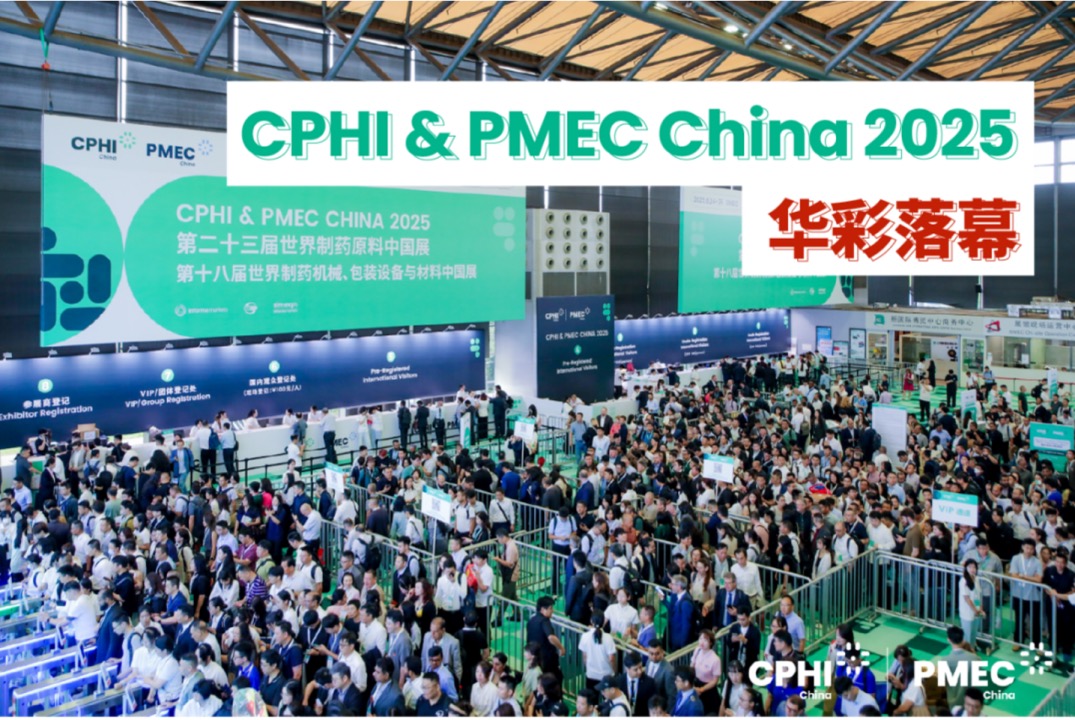
CPHI China 2025 ended successfully | Syntame talks with customers around the world about new opportunities for cooperation
CPHI China 2025 ended successfully | Syntame talks with customers around the world about new opportunities for cooperation

The company team made a stunning appearance at the 22nd World Pharmaceutical Raw Materials China Exhibition (CPHI) at the Shanghai New International Expo Centre.
The company's sales team successfully participated in the 21st World Pharmaceutical Raw Materials China Exhibition (CPHI) at the Shanghai New International Expo Centre.