

Exploring the Chemistry of Reaction Intermediates in Drug Manufacturing: A Comprehensive Guide
Jan 19,2026


Exploring the Chemistry of Reaction Intermediates in Drug Manufacturing
Table of Contents
1. Understanding Reaction Intermediates in Pharmaceutical Chemistry
2. The Role of Reaction Intermediates in Drug Synthesis
3. Common Types of Reaction Intermediates
4. The Process of Identifying Reaction Intermediates
5. Techniques for Analyzing Reaction Intermediates
6. Challenges in Working with Reaction Intermediates
7. Innovations in Reaction Intermediate Chemistry
8. Future Directions in Drug Manufacturing
9. Frequently Asked Questions (FAQs)
10. Conclusion
1. Understanding Reaction Intermediates in Pharmaceutical Chemistry
Reaction intermediates play a pivotal role in pharmaceutical chemistry. They are transient species formed during the conversion of reactants into products in chemical reactions. Understanding these intermediates is essential for optimizing drug synthesis, as they often dictate the efficiency and outcome of the desired reaction. These species can exist for only a brief period, making their study challenging yet rewarding.
In the context of drug manufacturing, reaction intermediates can significantly impact the purity, yield, and effectiveness of the final product. Their chemistry is complex, often involving various functional groups that influence their stability and reactivity. Consequently, a comprehensive understanding of these intermediates is crucial for chemists and pharmaceutical manufacturers alike.
2. The Role of Reaction Intermediates in Drug Synthesis
In drug synthesis, reaction intermediates serve as critical building blocks that facilitate the formation of active pharmaceutical ingredients (APIs). The pathway from a simple reactant to a complex drug often involves multiple steps, each generating intermediates along the way. These intermediates not only help in constructing the molecular framework of the drug but also play a role in optimizing the overall synthesis process.
For instance, when synthesizing antibiotics, specific intermediates may enhance selectivity and yield, leading to more efficient reactions. Understanding the pathways and mechanisms that generate these intermediates allows chemists to fine-tune their processes, ultimately leading to the discovery of new drugs and therapies.
3. Common Types of Reaction Intermediates
There are several types of reaction intermediates commonly encountered in drug manufacturing, including:
3.1 Carbocations
Carbocations are positively charged carbon species that play a significant role in many organic reactions, including nucleophilic substitutions and eliminations. Their stability is crucial, as it influences the reaction pathway.
3.2 Carbanions
Carbanions, negatively charged carbon species, are involved in a variety of reactions, including nucleophilic additions. Their stability and reactivity are determined by the surrounding functional groups.
3.3 Free Radicals
Free radicals are highly reactive species with unpaired electrons. They are important in many chain reactions and can lead to the formation of various products, including drugs.
3.4 Acyloxy Radicals
These intermediates are formed during the decomposition of peracids and are involved in acylation reactions, which are vital in the synthesis of many drugs.
3.5 Transition States
While not intermediates in the traditional sense, transition states represent the highest energy point of a reaction pathway. Understanding these states is crucial for comprehending how intermediates form.
4. The Process of Identifying Reaction Intermediates
Identifying reaction intermediates is a pivotal process in drug development. Several strategies can be employed to detect and characterize these fleeting species:
4.1 Spectroscopic Techniques
Techniques such as Nuclear Magnetic Resonance (NMR), Infrared Spectroscopy (IR), and Mass Spectrometry (MS) are invaluable for identifying intermediates. These methods provide insights into the molecular structure and composition of the intermediates.
4.2 Chemical Trapping
This technique involves intentionally reacting the intermediate with another reagent to stabilize it, allowing for easier identification and characterization.
4.3 Computational Chemistry
Advanced modeling techniques can predict the existence and behavior of intermediates, providing a theoretical framework that complements experimental findings.
5. Techniques for Analyzing Reaction Intermediates
Analyzing reaction intermediates requires a combination of experimental and theoretical approaches:
5.1 Chromatography
Techniques such as High-Performance Liquid Chromatography (HPLC) and Gas Chromatography (GC) are frequently employed to separate and analyze intermediates in complex mixtures.
5.2 Kinetic Studies
Monitoring reaction rates can provide insights into the stability and reactivity of intermediates, helping to understand their roles in the overall reaction pathway.
5.3 Computational Modeling
The use of molecular dynamics simulations and density functional theory (DFT) can elucidate the stability and reaction pathways of intermediates, offering predictions that guide experimental work.
6. Challenges in Working with Reaction Intermediates
While the study of reaction intermediates is fascinating and essential, several challenges complicate this field:
6.1 Instability
Many intermediates are highly unstable, making them difficult to isolate and study. This instability can lead to rapid conversion into products or side reactions, complicating analysis.
6.2 Complexity of Reaction Pathways
The numerous possible pathways can make it challenging to pinpoint specific intermediates, especially in complex multi-step syntheses.
6.3 Analytical Limitations
Current analytical techniques may not always be sensitive enough to detect low concentrations of intermediates, necessitating the development of more advanced methodologies.
7. Innovations in Reaction Intermediate Chemistry
The field of reaction intermediate chemistry is continuously evolving, leading to innovative techniques and methodologies that enhance our understanding:
7.1 Photochemistry
Using light to initiate reactions can stabilize certain intermediates, allowing for more straightforward characterization and study.
7.2 Flow Chemistry
Continuous flow reactors enable precise control of reaction conditions, leading to improved handling of unstable intermediates.
7.3 Artificial Intelligence
AI-driven algorithms are being developed to predict the formation and behavior of intermediates, accelerating drug discovery processes.
8. Future Directions in Drug Manufacturing
As the pharmaceutical landscape evolves, the study of reaction intermediates will play an increasingly important role. Future directions include:
8.1 Green Chemistry
Emphasizing sustainable practices, researchers are exploring eco-friendly methods for synthesizing intermediates and reducing waste.
8.2 Personalized Medicine
The ability to tailor drug synthesis to individual patient needs will drive innovations in intermediate chemistry, leading to more effective treatments.
8.3 Advanced Analytical Techniques
Continued advancements in analytical technology will improve our ability to detect and study intermediates, leading to enhanced drug development.
9. Frequently Asked Questions (FAQs)
What are reaction intermediates?
Reaction intermediates are transient chemical species formed during the conversion of reactants into products in a chemical reaction.
Why are reaction intermediates important in drug manufacturing?
They play crucial roles in the synthesis of active pharmaceutical ingredients, influencing yield, purity, and overall effectiveness.
How can reaction intermediates be identified?
They can be identified using techniques such as spectroscopy, chemical trapping, and computational chemistry.
What challenges do chemists face when studying reaction intermediates?
Key challenges include instability, complexity of reaction pathways, and limitations of analytical techniques.
What innovations are shaping the future of reaction intermediate chemistry?
Innovations such as photochemistry, flow chemistry, and AI-driven analysis are enhancing our understanding and manipulation of reaction intermediates.
10. Conclusion
In summary, exploring the chemistry of reaction intermediates is vital for advancing drug manufacturing. By understanding these transient species, chemists can optimize drug synthesis, enhance yields, and improve the efficacy of pharmaceuticals. As we continue to innovate in this field, the insights gained will lead to the development of safer, more effective medications that can improve patient outcomes on a global scale. The chemistry of reaction intermediates is not just a niche area of study; it is a cornerstone of modern pharmacology and will remain a focus in the quest for breakthrough therapies.
Shentai Exhibition Tour 2025

CPHI South East Asia 2025 comes to a successful conclusion | SYNTAME opens a new chapter in the Southeast Asian market
CPHI South East Asia 2025 comes to a successful conclusion | SYNTAME opens a new chapter in the Southeast Asian market
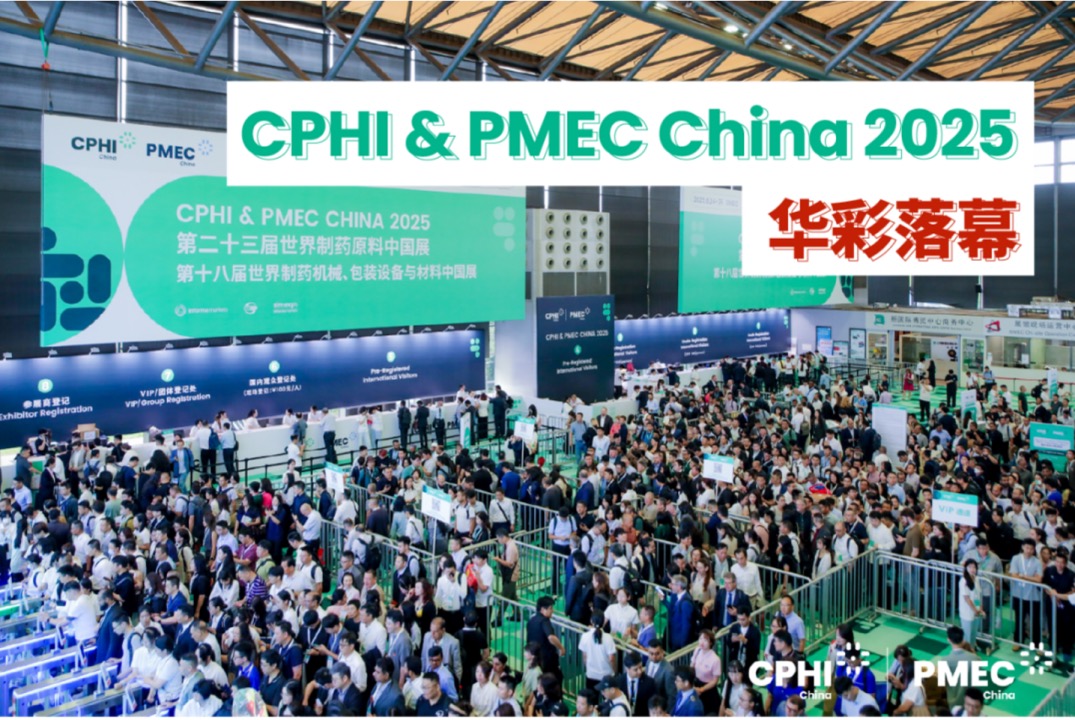
CPHI China 2025 ended successfully | Syntame talks with customers around the world about new opportunities for cooperation
CPHI China 2025 ended successfully | Syntame talks with customers around the world about new opportunities for cooperation

The company team made a stunning appearance at the 22nd World Pharmaceutical Raw Materials China Exhibition (CPHI) at the Shanghai New International Expo Centre.
The company's sales team successfully participated in the 21st World Pharmaceutical Raw Materials China Exhibition (CPHI) at the Shanghai New International Expo Centre.