

Exploring the Types of Pharma Intermediates and Their Uses in Medicine
Jan 13,2026


Exploring the Types of Pharma Intermediates and Their Uses in Medicine
Table of Contents
- 1. Introduction to Pharma Intermediates
- 2. What Are Pharma Intermediates?
- 3. Types of Pharma Intermediates
- 3.1 Active Pharmaceutical Ingredients (APIs)
- 3.2 Excipients
- 3.3 Biologics
- 3.4 Chemical Intermediates
- 3.5 Other Pharma Intermediates
- 4. Importance of Intermediates in Drug Development
- 5. Applications of Pharma Intermediates in Medicine
- 6. Regulatory Aspects of Pharma Intermediates
- 7. Future Trends in Pharma Intermediates
- 8. Frequently Asked Questions
- 9. Conclusion
1. Introduction to Pharma Intermediates
Pharmaceutical intermediates are crucial building blocks in the drug manufacturing process. They serve as the link between raw materials and finished pharmaceuticals, playing a vital role in the production of **medications** that improve and save lives. As we explore the various types of pharma intermediates and their myriad applications in medicine, we will uncover how they contribute to effective drug development and patient care.
2. What Are Pharma Intermediates?
Pharma intermediates are compounds that are produced during the synthesis of active pharmaceutical ingredients (APIs). They are essential in the formulation of drugs, as they undergo further chemical transformations to create the final medicinal product. Understanding these intermediates is critical for stakeholders in the pharmaceutical industry, including manufacturers, regulators, and healthcare professionals.
3. Types of Pharma Intermediates
Pharmaceutical intermediates can be categorized into various types based on their functions and applications in drug formulation. In this section, we will discuss the major types of pharma intermediates:
3.1 Active Pharmaceutical Ingredients (APIs)
Active pharmaceutical ingredients (APIs) are the biologically active components of drugs responsible for their therapeutic effects. APIs can be derived from natural sources, synthesized chemically, or produced through biotechnological methods. They are essential for the efficacy of medications and must meet stringent quality standards during production.
3.2 Excipients
Excipients are inactive substances that serve as carriers for the active ingredients in pharmaceutical formulations. They play critical roles in drug stability, bioavailability, and overall effectiveness. Common excipients include fillers, binders, preservatives, and coloring agents. While they do not exert therapeutic effects themselves, they are crucial for ensuring that the drug performs as intended.
3.3 Biologics
Biologics are complex molecules derived from living organisms, such as proteins, nucleic acids, or cells. They are often used in innovative therapies for conditions like cancer and autoimmune diseases. The production of biologics involves a series of intermediates that ensure the final product's efficacy and safety. Understanding the role of intermediates in biologics can help in optimizing production processes and enhancing therapeutic outcomes.
3.4 Chemical Intermediates
Chemical intermediates are compounds formed during the synthesis of APIs. They are typically reactive and are used in various chemical reactions to yield the final pharmaceutical product. These intermediates are crucial in the drug manufacturing process, as they can influence the overall yield and purity of the final drug.
3.5 Other Pharma Intermediates
There are several other intermediates involved in the pharmaceutical industry, including solvents, ligands, and catalysts. Each of these plays a specific role in drug development and manufacturing, and their importance cannot be overstated.
4. Importance of Intermediates in Drug Development
Pharmaceutical intermediates are indispensable in the drug development process. They serve multiple functions that enhance the overall manufacturing efficiency and product quality:
- **Quality Control**: Intermediates undergo rigorous testing to ensure they meet safety and efficacy standards, which is crucial for regulatory approval.
- **Cost Efficiency**: By optimizing the use of intermediates, manufacturers can reduce production costs, leading to more affordable medications for consumers.
- **Innovation**: Developing new intermediates can lead to the creation of novel drugs, expanding treatment options for various medical conditions.
5. Applications of Pharma Intermediates in Medicine
The applications of pharmaceutical intermediates in the medical field are vast and varied. They are pivotal in the development of a wide range of therapies, including:
- **Chronic Disease Management**: Many chronic conditions, such as diabetes and hypertension, rely on drugs synthesized from intermediates to manage symptoms and improve quality of life.
- **Infectious Disease Treatment**: Antiviral and antibiotic medications often include intermediates that enhance their effectiveness against pathogens.
- **Cancer Therapies**: The development of targeted therapies for cancer often involves biologics and chemical intermediates that improve treatment efficacy and minimize side effects.
6. Regulatory Aspects of Pharma Intermediates
The production and use of pharmaceutical intermediates are strictly regulated by health authorities, including the Food and Drug Administration (FDA) and the European Medicines Agency (EMA). Compliance with Good Manufacturing Practices (GMP) is essential to ensure that intermediates meet quality standards. Regulatory frameworks dictate the testing, labeling, and traceability of intermediates, ensuring safety for patients and efficacy in treatments.
7. Future Trends in Pharma Intermediates
The pharmaceutical industry is evolving rapidly, and several trends are shaping the future of pharma intermediates:
- **Sustainable Manufacturing**: There is a growing emphasis on environmental sustainability, leading to the development of greener manufacturing processes and eco-friendly intermediates.
- **Personalized Medicine**: Advances in genomics and biotechnology are paving the way for personalized therapies, increasing the demand for specific intermediates tailored to individual patient needs.
- **Digitalization**: The integration of digital technologies in drug manufacturing is enhancing the efficiency and accuracy of producing intermediates, ultimately improving drug development timelines.
8. Frequently Asked Questions
What are pharmaceutical intermediates?
Pharmaceutical intermediates are compounds produced during the synthesis of active pharmaceutical ingredients (APIs), serving as crucial components in the drug manufacturing process.
Why are intermediates important in medicine?
Intermediates are essential for ensuring the efficacy, safety, and quality of medications, playing a vital role in drug development and production.
What are the different types of pharma intermediates?
The major types include active pharmaceutical ingredients (APIs), excipients, biologics, chemical intermediates, and other specialized intermediates used in drug formulation.
How do regulatory bodies oversee pharma intermediates?
Regulatory bodies enforce Good Manufacturing Practices (GMP) and other guidelines to ensure that intermediates meet safety and quality standards throughout the manufacturing process.
What are the future trends in pharma intermediates?
Future trends include sustainable manufacturing, the rise of personalized medicine, and the integration of digital technologies in drug development and production.
9. Conclusion
Pharmaceutical intermediates play an invaluable role in the world of medicine, bridging the gap between raw materials and effective drug products. As we have explored, the diverse types of intermediates, their applications, and the importance of regulatory compliance highlight their significance in the pharmaceutical industry. Looking ahead, embracing innovations and trends will not only enhance the efficiency of drug manufacturing but also contribute to better healthcare outcomes. Understanding these intermediates is essential for anyone involved in the healthcare sector, as it ultimately impacts the efficacy and safety of the medications that improve our lives.
Shentai Exhibition Tour 2025

CPHI South East Asia 2025 comes to a successful conclusion | SYNTAME opens a new chapter in the Southeast Asian market
CPHI South East Asia 2025 comes to a successful conclusion | SYNTAME opens a new chapter in the Southeast Asian market
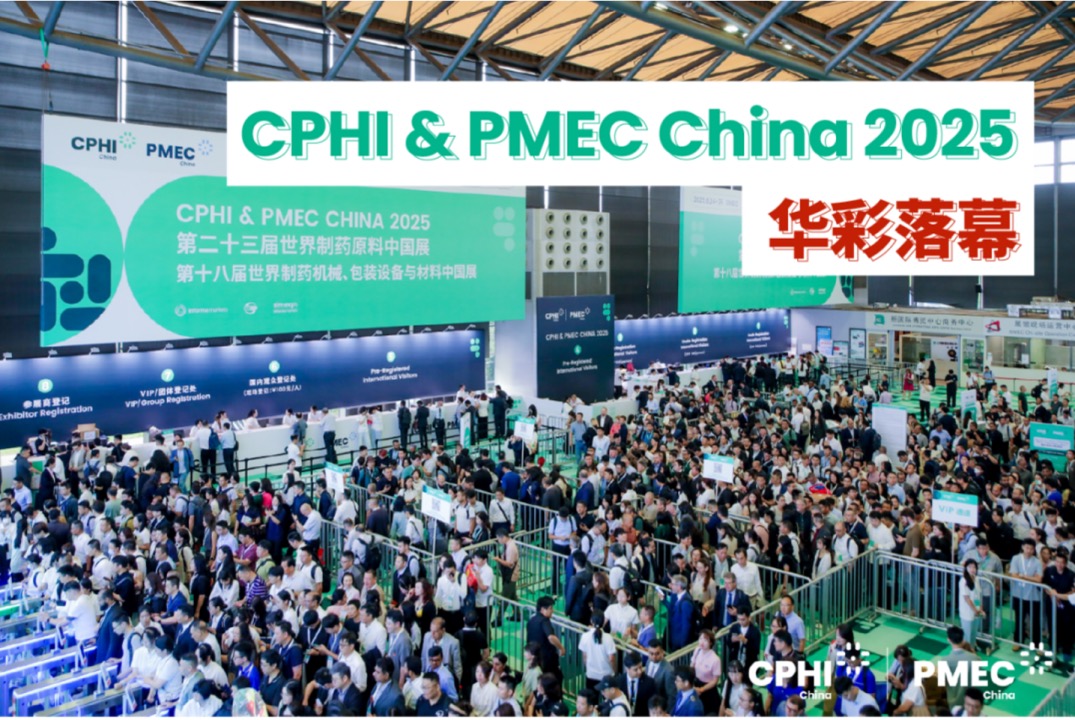
CPHI China 2025 ended successfully | Syntame talks with customers around the world about new opportunities for cooperation
CPHI China 2025 ended successfully | Syntame talks with customers around the world about new opportunities for cooperation

The company team made a stunning appearance at the 22nd World Pharmaceutical Raw Materials China Exhibition (CPHI) at the Shanghai New International Expo Centre.
The company's sales team successfully participated in the 21st World Pharmaceutical Raw Materials China Exhibition (CPHI) at the Shanghai New International Expo Centre.