
Understanding API Raw Materials in the Pharmaceutical Industry
Jan 10,2026


Active Pharmaceutical Ingredients (APIs) are the cornerstone of the pharmaceutical industry, serving as the primary raw materials responsible for the therapeutic effects of medications. These substances are critical in the formulation of drugs, ensuring that they deliver the desired health benefits to patients. Understanding API raw materials is essential for anyone involved in drug development, manufacturing, or quality assurance.
APIs can be classified into several categories based on their chemical structures and mechanisms of action. These include small molecules, which are typically low molecular weight compounds, and biologics, which are larger, more complex molecules derived from living organisms. Each category of APIs has distinct properties and production processes, influencing their use in various therapeutic areas such as oncology, cardiology, and infectious diseases.
The quality of APIs is paramount in ensuring the safety and efficacy of pharmaceutical products. Regulatory bodies, such as the FDA and EMA, impose stringent guidelines on API manufacturing processes and quality control measures. This includes Good Manufacturing Practice (GMP) standards, which mandate that APIs be produced in a consistent manner to minimize variations. Quality assurance protocols, including analytical testing and stability studies, are also critical in verifying that APIs meet specified criteria before they are used in drug formulations.
The sourcing of API raw materials can be a complex process, often requiring careful consideration of suppliers and their production capabilities. Manufacturers must ensure that their suppliers adhere to international quality standards and possess the necessary certifications. This not only ensures the integrity of the APIs but also mitigates risks associated with recalls or regulatory non-compliance.
In recent years, the global market for API raw materials has seen significant growth, driven by an increasing demand for generic drugs and biologics. As the healthcare landscape evolves, manufacturers must stay informed about the latest trends in API development, including advancements in synthesis methods and regulatory changes.
Moreover, the rise of personalized medicine is leading to a shift in how APIs are developed and produced. Tailoring APIs to meet individual patient needs requires innovative approaches to drug formulation, emphasizing the importance of research and development in the API sector.
In summary, API raw materials play a crucial role in the pharmaceutical industry, impacting the quality and effectiveness of medications. A comprehensive understanding of the types, quality standards, and sourcing considerations for APIs is essential for professionals striving to ensure the success of their pharmaceutical products. By staying abreast of industry trends and regulatory requirements, stakeholders can navigate the complexities of API raw materials effectively, ultimately contributing to the advancement of healthcare.
APIs can be classified into several categories based on their chemical structures and mechanisms of action. These include small molecules, which are typically low molecular weight compounds, and biologics, which are larger, more complex molecules derived from living organisms. Each category of APIs has distinct properties and production processes, influencing their use in various therapeutic areas such as oncology, cardiology, and infectious diseases.
The quality of APIs is paramount in ensuring the safety and efficacy of pharmaceutical products. Regulatory bodies, such as the FDA and EMA, impose stringent guidelines on API manufacturing processes and quality control measures. This includes Good Manufacturing Practice (GMP) standards, which mandate that APIs be produced in a consistent manner to minimize variations. Quality assurance protocols, including analytical testing and stability studies, are also critical in verifying that APIs meet specified criteria before they are used in drug formulations.
The sourcing of API raw materials can be a complex process, often requiring careful consideration of suppliers and their production capabilities. Manufacturers must ensure that their suppliers adhere to international quality standards and possess the necessary certifications. This not only ensures the integrity of the APIs but also mitigates risks associated with recalls or regulatory non-compliance.
In recent years, the global market for API raw materials has seen significant growth, driven by an increasing demand for generic drugs and biologics. As the healthcare landscape evolves, manufacturers must stay informed about the latest trends in API development, including advancements in synthesis methods and regulatory changes.
Moreover, the rise of personalized medicine is leading to a shift in how APIs are developed and produced. Tailoring APIs to meet individual patient needs requires innovative approaches to drug formulation, emphasizing the importance of research and development in the API sector.
In summary, API raw materials play a crucial role in the pharmaceutical industry, impacting the quality and effectiveness of medications. A comprehensive understanding of the types, quality standards, and sourcing considerations for APIs is essential for professionals striving to ensure the success of their pharmaceutical products. By staying abreast of industry trends and regulatory requirements, stakeholders can navigate the complexities of API raw materials effectively, ultimately contributing to the advancement of healthcare.
Shentai Exhibition Tour 2025

CPHI South East Asia 2025 comes to a successful conclusion | SYNTAME opens a new chapter in the Southeast Asian market
CPHI South East Asia 2025 comes to a successful conclusion | SYNTAME opens a new chapter in the Southeast Asian market
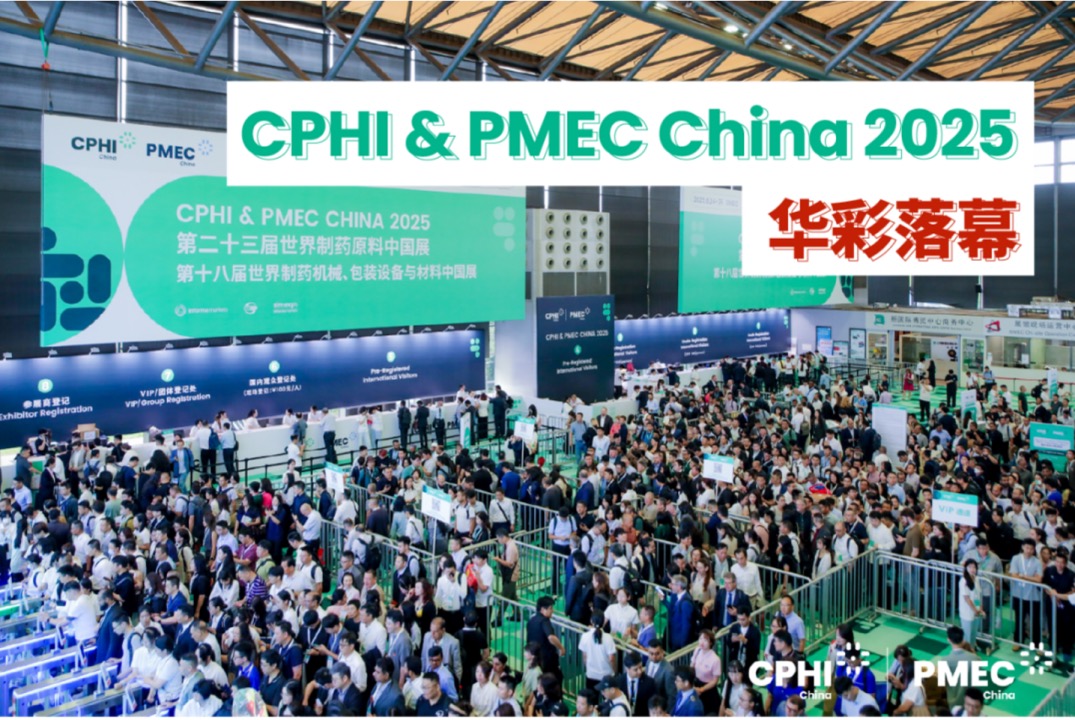
CPHI China 2025 ended successfully | Syntame talks with customers around the world about new opportunities for cooperation
CPHI China 2025 ended successfully | Syntame talks with customers around the world about new opportunities for cooperation

The company team made a stunning appearance at the 22nd World Pharmaceutical Raw Materials China Exhibition (CPHI) at the Shanghai New International Expo Centre.
The company's sales team successfully participated in the 21st World Pharmaceutical Raw Materials China Exhibition (CPHI) at the Shanghai New International Expo Centre.