

Pharma Excipients: The Key to Optimizing Drug Delivery Systems
Jan 07,2026


Pharma Excipients: The Key to Optimizing Drug Delivery Systems
In the world of pharmaceuticals, **excipients** play a crucial yet often overlooked role in the formulation and delivery of medications. While active pharmaceutical ingredients (APIs) are responsible for the therapeutic effects, excipients are the unsung heroes that enhance the overall efficacy and functionality of drug delivery systems. This article explores the fundamental aspects of pharma excipients, elucidating their significance in optimizing drug delivery systems.
Table of Contents
- What Are Pharma Excipients?
- Importance of Excipients in Drug Delivery
- Types of Pharma Excipients
- Functionalities of Excipients
- Innovations in Excipient Technology
- Regulatory Considerations for Excipients
- Challenges in Excipient Formulation
- The Future of Pharma Excipients
- FAQs about Pharma Excipients
What Are Pharma Excipients?
Pharma excipients are **inactive substances** formulated alongside the active ingredients in a medication. They serve various functions, such as enhancing stability, facilitating drug absorption, ensuring proper delivery, and improving the overall patient experience. Understanding the diverse roles of excipients is essential for developing effective drug delivery systems.
Characteristics of Pharma Excipients
Excipients must possess certain characteristics to be effective in drug formulations. These include:
- Compatibility: Excipients should not react adversely with the active pharmaceutical ingredient (API).
- Stability: They must remain stable under various conditions, ensuring long shelf-life.
- Safety: Excipients must be non-toxic and safe for human use.
- Functionality: They should fulfill their intended roles, whether as fillers, binders, or emulsifying agents.
Importance of Excipients in Drug Delivery
The significance of excipients in drug delivery systems cannot be overstated. They contribute to:
1. Drug Stability
Excipients help maintain the stability of the active ingredient, preventing degradation due to environmental factors such as moisture, heat, and light. This ensures that medications retain their potency throughout their shelf life.
2. Bioavailability Enhancement
Some excipients improve the **bioavailability** of drugs, allowing for better absorption in the body. For instance, solubilizers can increase the solubility of poorly water-soluble APIs, leading to enhanced therapeutic effects.
3. Controlled Release
Excipients can be engineered to create controlled-release formulations, allowing for sustained drug release over time. This approach minimizes the frequency of dosing and enhances patient adherence to medication regimens.
4. Improved Patient Experience
Excipients also play a role in improving the sensory attributes of medications, such as taste and appearance. This makes them more palatable, especially for pediatric and geriatric patients.
Types of Pharma Excipients
Pharma excipients can be classified into various categories based on their functions. Common types include:
1. Binders
Binders help hold the formulation together, providing mechanical strength to tablets and capsules. Examples include **cellulose**, **starch**, and **polyvinylpyrrolidone (PVP)**.
2. Fillers
Fillers increase the bulk of the formulation, making it easier to handle and administer. Common fillers include **lactose**, **sorbitol**, and **microcrystalline cellulose**.
3. Disintegrants
Disintegrants facilitate the breakup of tablets and capsules in the digestive tract, ensuring the drug is released effectively. Examples include **crospovidone** and **sodium starch glycolate**.
4. Lubricants
Lubricants reduce friction during the manufacturing process, enhancing the flow of powders and preventing sticking. **Magnesium stearate** is a widely used lubricant in tablet formulations.
5. Preservatives
Preservatives prevent microbial growth in formulations, ensuring the safety and longevity of the product. Examples include **benzyl alcohol** and **parabens**.
Functionalities of Excipients
Understanding the functionalities of various excipients is key to optimizing drug delivery systems. This section delves deeper into the roles of excipients:
1. Enhancing Solubility
Many active ingredients have poor solubility, which limits their bioavailability. Excipients like surfactants and hydrophilic polymers can significantly enhance solubility, ensuring that more of the drug is available for absorption.
2. Controlling Drug Release
Excipients can be formulated to create drug delivery systems that control the release profile of the active ingredient. This controlled release can lead to improved therapeutic outcomes and reduced side effects.
3. Improving Taste Masking
Taste-masking agents are vital for formulating oral medications, particularly for pediatric patients. Excipients that mask unpleasant flavors can improve adherence and the overall patient experience.
Innovations in Excipient Technology
The pharmaceutical industry is witnessing rapid advancements in excipient technology, aimed at optimizing drug delivery systems. Innovations include:
1. Novel Excipients
Research into novel excipients is ongoing, with scientists developing new materials that offer enhanced performance and functionality. These include **polymeric excipients** that can provide tailored release profiles.
2. Smart Excipients
Smart excipients are designed to respond to specific stimuli, allowing for more precise control over drug release. These innovations pave the way for personalized medicine, tailoring drug delivery to individual patient needs.
3. Biodegradable Excipients
The trend toward sustainability has led to the development of biodegradable excipients. These materials reduce environmental impact, aligning with global initiatives for greener pharmaceutical practices.
Regulatory Considerations for Excipients
As critical components of drug formulations, excipients are subject to regulatory scrutiny. Understanding the regulations governing excipients is essential for compliance and market approval:
1. Regulatory Classification
Excipients must be classified according to their intended use. The FDA and EMA have established specific guidelines outlining the acceptable types of excipients for various formulations.
2. Safety and Toxicology Studies
Manufacturers must conduct extensive safety and toxicology studies on excipients to demonstrate their safety for human consumption. This includes evaluating potential adverse effects and establishing acceptable daily intake levels.
3. Quality Assurance
Ensuring the quality of excipients is paramount. Adherence to Good Manufacturing Practices (GMP) and robust quality control measures are necessary to maintain consistency and safety in drug formulations.
Challenges in Excipient Formulation
Despite their importance, excipient formulation presents various challenges:
1. Compatibility Issues
Formulators often encounter compatibility challenges between excipients and active ingredients, which can affect stability and efficacy. Thorough compatibility testing is crucial to mitigate these risks.
2. Supply Chain Disruptions
Global events can disrupt the supply chain for excipients, leading to shortages and increased costs. Establishing reliable sourcing partnerships is essential for maintaining consistent production.
3. Regulatory Hurdles
Navigating the regulatory landscape can be complex, particularly with evolving guidelines and standards. Staying updated with regulatory changes is vital for successful product development.
The Future of Pharma Excipients
The future of pharma excipients is promising, with continuous advancements shaping the industry. Key trends include:
1. Increased Focus on Personalization
As personalized medicine gains traction, excipients will play a critical role in developing tailored drug delivery systems that cater to individual patient profiles.
2. Emphasis on Sustainability
With the global push toward sustainability, the development of eco-friendly excipients will take center stage. The pharmaceutical industry will continue to seek biodegradable and plant-based excipients to minimize environmental impact.
3. Integration of Technology
Technological innovations, including artificial intelligence and machine learning, will streamline excipient development processes, enhancing efficiency and efficacy in drug formulation.
FAQs about Pharma Excipients
1. What are the main functions of pharma excipients?
Pharma excipients serve various functions, including improving drug stability, enhancing bioavailability, facilitating controlled release, and enhancing the overall patient experience.
2. Are all excipients safe for use in drug formulations?
No, excipients must undergo rigorous safety assessments to ensure they are non-toxic and suitable for human consumption. Regulatory agencies provide guidelines for their approval.
3. How do excipients affect drug absorption?
Excipients can enhance the solubility and stability of active ingredients, leading to improved absorption and bioavailability in the body.
4. What are innovative excipients?
Innovative excipients are newly developed materials that offer improved functionality and performance, including smart excipients that respond to specific stimuli for controlled drug release.
5. How can manufacturers ensure the quality of excipients?
Manufacturers should adhere to Good Manufacturing Practices (GMP) and conduct thorough quality control testing to ensure the consistency and safety of excipients in drug formulations.
Conclusion
Pharma excipients are indispensable in the realm of drug delivery systems, playing a vital role in enhancing the efficacy and safety of medications. Through a comprehensive understanding of the types, functionalities, and innovations in excipient technology, pharmaceutical manufacturers can optimize formulations to meet the diverse needs of patients. As the industry continues to evolve, excipients will remain at the forefront, driving advancements in drug delivery and improving patient outcomes.
Shentai Exhibition Tour 2025

CPHI South East Asia 2025 comes to a successful conclusion | SYNTAME opens a new chapter in the Southeast Asian market
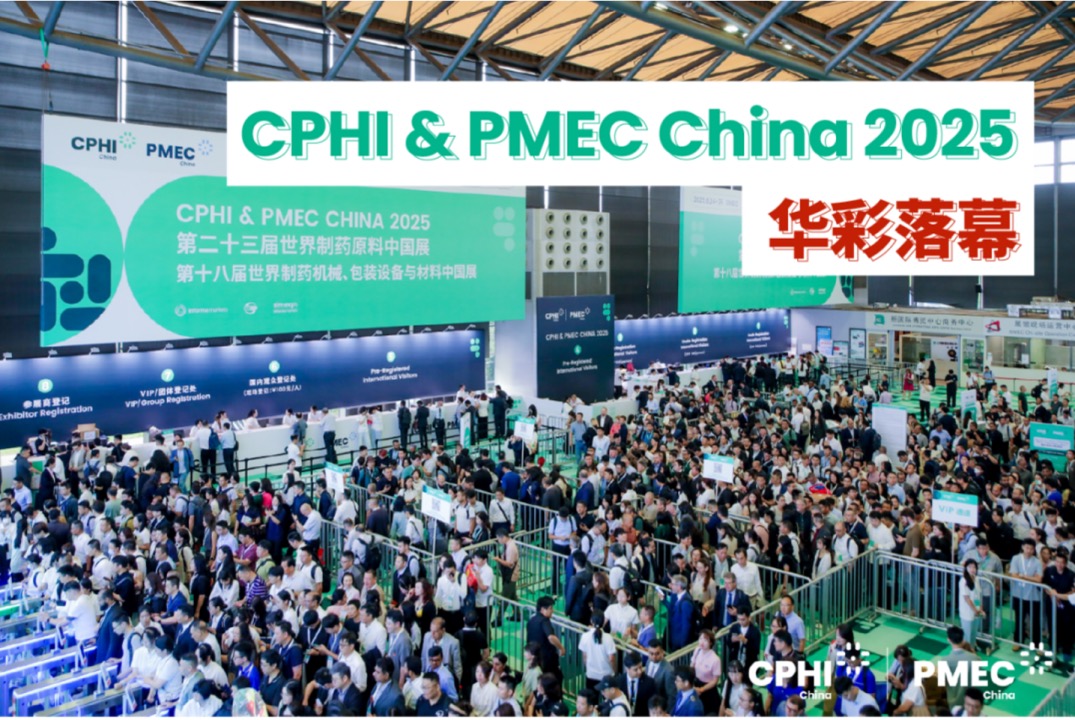
CPHI China 2025 ended successfully | Syntame talks with customers around the world about new opportunities for cooperation

The company team made a stunning appearance at the 22nd World Pharmaceutical Raw Materials China Exhibition (CPHI) at the Shanghai New International Expo Centre.
The company's sales team successfully participated in the 21st World Pharmaceutical Raw Materials China Exhibition (CPHI) at the Shanghai New International Expo Centre.