
Why Pharma Intermediates are Crucial for the Future of Healthcare
Dec 23,2025


Understanding Pharma Intermediates: The Unsung Heroes of the Pharmaceutical Industry
Pharmaceutical intermediates are often overlooked in discussions surrounding drug development, yet they play a pivotal role in the manufacturing of active pharmaceutical ingredients (APIs). These compounds serve as building blocks in the creation of more complex drugs, enabling pharmaceutical companies to deliver effective therapies to patients efficiently. As we progress into the future of healthcare, the significance of pharma intermediates cannot be overstated.
The Role of Pharma Intermediates in Drug Development
Pharma intermediates are chemical compounds that are synthesized during the production of APIs. They act as essential components in the multi-step synthesis of various medications. By facilitating the transition from raw materials to finished drugs, intermediates streamline the development process, reducing production time and costs.
1. The Synthesis Process: A Multi-Step Journey
The synthesis of pharmaceuticals is a complex journey that requires numerous steps. Each step involves the transformation of raw materials into specific intermediates, which are then further processed into APIs. This intricate process underscores the importance of intermediates, as they are essential for achieving the desired chemical structure and biological activity of the final drug.
2. Cost-Effectiveness and Efficiency
In the realm of pharmaceutical production, cost-effectiveness is crucial. Utilizing well-defined intermediates allows manufacturers to optimize their processes, thereby reducing waste and enhancing yield. This efficiency not only benefits pharmaceutical companies but also contributes to lower drug prices for consumers, making healthcare more accessible.
3. Quality Control and Regulatory Compliance
Ensuring the quality of intermediates is vital for the safety and efficacy of the final drug product. Regulatory bodies, such as the FDA, impose stringent guidelines on the production and testing of intermediates. Compliance with these regulations ensures that intermediates meet the necessary quality standards, ultimately safeguarding public health.
Innovation in Pharma Intermediates: Driving the Future of Healthcare
As the healthcare landscape continues to evolve, so too does the need for innovative pharma intermediates. The development of novel intermediates has the potential to revolutionize the way drugs are synthesized and delivered to patients.
1. Green Chemistry: A Sustainable Approach
The pharmaceutical industry is increasingly adopting green chemistry principles to minimize environmental impact. By developing eco-friendly intermediates that require fewer hazardous materials, manufacturers can reduce their carbon footprint while maintaining high production standards. This shift towards sustainability is crucial for the future of healthcare as it aligns with global efforts to protect the environment.
2. Biopharmaceutical Intermediates
The rise of biopharmaceuticals has introduced new challenges and opportunities in the production of intermediates. Biopharmaceuticals, which are derived from biological sources, often require specialized intermediates to facilitate their synthesis. As the demand for biologics continues to grow, so will the need for innovative intermediates that can support their production.
3. Customization and Tailored Therapies
The trend towards personalized medicine is reshaping the pharmaceutical landscape. Pharma intermediates allow for greater customization of drug formulations, enabling the development of tailored therapies that meet individual patient needs. This level of personalization has the potential to improve patient outcomes and enhance the overall effectiveness of treatment options.
The Economic Impact of Pharma Intermediates
Pharma intermediates not only influence the production of medications but also have significant economic implications. The efficiency and effectiveness of intermediates directly impact the overall pharmaceutical market.
1. Job Creation and Economic Growth
The pharma intermediates sector contributes to job creation within the pharmaceutical industry, including roles in research and development, manufacturing, and quality control. As the demand for intermediates increases, so too does the need for skilled professionals, driving economic growth in the sector.
2. Global Trade and Market Expansion
Pharma intermediates play a crucial role in international trade. Countries that specialize in the production of high-quality intermediates can position themselves as key players in the global pharmaceutical market. This competitive advantage can lead to increased exports, bolstering national economies.
3. Investment in Research and Development
The pharmaceutical industry invests heavily in R&D to discover and develop new intermediates. This investment not only drives innovation but also ensures that companies remain competitive in an ever-evolving market. As more resources are allocated to R&D, the potential for breakthroughs in drug development increases.
Challenges Facing Pharma Intermediates
While the importance of pharma intermediates is clear, there are several challenges that the industry must address to ensure their continued success.
1. Supply Chain Disruptions
The COVID-19 pandemic highlighted vulnerabilities in global supply chains, affecting the availability of raw materials and intermediates. To mitigate these risks, companies must develop more resilient supply chains, diversify their sources, and invest in local production capabilities.
2. Regulatory Hurdles
Navigating the complex regulatory landscape can be daunting for manufacturers of pharma intermediates. Keeping pace with changing regulations and ensuring compliance can be resource-intensive. Companies must prioritize regulatory affairs and invest in training to stay ahead of the curve.
3. Intellectual Property Issues
The protection of intellectual property (IP) is crucial for maintaining a competitive edge in the pharma intermediates sector. Companies must be vigilant in safeguarding their innovations while respecting the IP rights of others. This balance is essential for fostering collaboration and advancing the field.
The Future of Pharma Intermediates in Healthcare
Looking ahead, the role of pharma intermediates in healthcare is poised for significant transformation. Advances in technology, changes in consumer preferences, and shifts in regulatory frameworks will shape the future landscape of the industry.
1. Technological Advances
Emerging technologies, such as artificial intelligence (AI) and automation, have the potential to revolutionize the production of pharma intermediates. By streamlining processes and enhancing precision, these technologies can improve efficiency and reduce production costs.
2. Collaborative Approaches
Collaboration among industry stakeholders, including pharmaceutical companies, research institutions, and regulatory bodies, will be essential for addressing the challenges facing pharma intermediates. By working together, these entities can drive innovation, share best practices, and ensure the sustainability of the sector.
3. Patient-Centric Approaches
As the healthcare industry continues to evolve, a patient-centric focus will become increasingly important. Pharma intermediates that facilitate the development of personalized therapies will be at the forefront of this shift, ensuring that patients receive the most effective treatments tailored to their unique needs.
FAQs about Pharma Intermediates
1. What are pharmaceutical intermediates?
Pharmaceutical intermediates are chemical compounds that are synthesized during the production of active pharmaceutical ingredients (APIs). They serve as essential building blocks in the development of various medications.
2. Why are pharma intermediates important?
Pharma intermediates are crucial for the efficient and cost-effective production of drugs. They streamline the synthesis process, ensuring that medications are developed quickly and safely.
3. How do intermediates impact drug pricing?
By optimizing production processes and reducing waste, pharma intermediates help lower manufacturing costs, which can lead to more affordable drug prices for consumers.
4. What challenges do pharma intermediates face?
Key challenges include supply chain disruptions, regulatory hurdles, and intellectual property issues. Addressing these challenges is vital for the continued success of the sector.
5. How is technology shaping the future of pharma intermediates?
Technological advances, such as AI and automation, are enhancing the efficiency and precision of intermediate production, driving innovation and reducing costs.
Conclusion
Pharmaceutical intermediates are integral to the future of healthcare, serving as essential components in the development of effective and affordable medications. Their role in promoting efficiency, ensuring quality, and driving innovation cannot be overstated. As we navigate the challenges and opportunities ahead, a focus on sustainable practices, technological advancements, and collaboration will be crucial for harnessing the full potential of pharma intermediates. Embracing these elements will not only enhance drug production but also improve patient outcomes, ultimately shaping a healthier future for all.
Shentai Exhibition Tour 2025

CPHI South East Asia 2025 comes to a successful conclusion | SYNTAME opens a new chapter in the Southeast Asian market
CPHI South East Asia 2025 comes to a successful conclusion | SYNTAME opens a new chapter in the Southeast Asian market
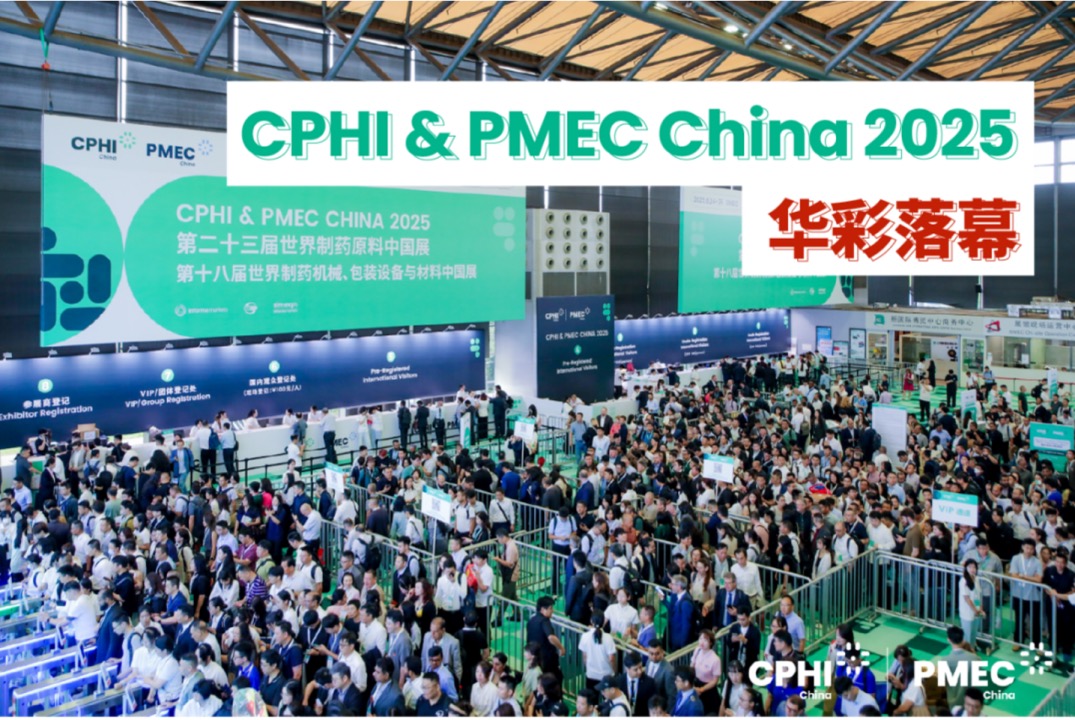
CPHI China 2025 ended successfully | Syntame talks with customers around the world about new opportunities for cooperation
CPHI China 2025 ended successfully | Syntame talks with customers around the world about new opportunities for cooperation

The company team made a stunning appearance at the 22nd World Pharmaceutical Raw Materials China Exhibition (CPHI) at the Shanghai New International Expo Centre.
The company's sales team successfully participated in the 21st World Pharmaceutical Raw Materials China Exhibition (CPHI) at the Shanghai New International Expo Centre.