

The Importance of Reaction Intermediates in Medicinal Chemistry: Unlocking the Pathways to Innovative Drug Design
Dec 10,2025


The Importance of Reaction Intermediates in Medicinal Chemistry
Understanding Reaction Intermediates
In the field of medicinal chemistry, the **role of reaction intermediates** cannot be overstated. These transient species are formed during the conversion of reactants to products in chemical reactions. They exist for a brief period and can significantly influence the outcome of chemical processes, particularly in the synthesis of new pharmaceuticals. To grasp their importance, we must first comprehend what reaction intermediates are and how they function within various chemical pathways.
What Are Reaction Intermediates?
Reaction intermediates are molecules that appear in the middle of a reaction mechanism but are not present in the final products. They can be **stable or unstable**, depending on their structure and the conditions of the reaction. Understanding these intermediates is crucial for medicinal chemists aiming to optimize synthetic routes for drug development.
The Role of Reaction Intermediates in Drug Design
In drug discovery, the identification and manipulation of reaction intermediates play a pivotal role in designing **new chemical entities** (NCEs). By studying these intermediates, researchers can gain insights into:
- Reaction mechanisms
- Potential side reactions
- Optimization of synthetic pathways
This understanding can lead to the development of more effective pharmaceuticals with fewer side effects.
Significance of Reaction Intermediates in Chemical Synthesis
Reaction intermediates serve as **stepping stones** in chemical synthesis. Their formation and stability can dictate the efficiency and selectivity of the overall reaction. This section explores the critical aspects of reaction intermediates in chemical synthesis.
Enhancing Reaction Efficiency
The presence of reaction intermediates can significantly enhance the efficiency of chemical reactions. By identifying and stabilizing these intermediates, chemists can minimize reaction times and increase yields. This not only saves time but also reduces costs in drug development.
Facilitating Selectivity in Drug Synthesis
Moreover, reaction intermediates can help achieve higher selectivity in drug synthesis. By controlling the conditions under which intermediates form, chemists can steer reactions toward desired products while minimizing the formation of unwanted byproducts. This selectivity is essential in medicinal chemistry, where the **purity of the final product** is paramount.
Case Studies of Successful Drug Development
Numerous case studies illustrate the significance of reaction intermediates in drug development. For instance, the synthesis of **penicillin** involved critical intermediates that allowed researchers to optimize the process and improve yields. Such examples highlight the necessity of understanding these fleeting species in creating effective therapeutic agents.
Methods for Studying Reaction Intermediates
To leverage the potential of reaction intermediates, chemists employ various methods to study their properties and behaviors. This section outlines some common techniques used in the investigation of reaction intermediates.
Kinetics and Mechanistic Studies
Kinetic studies are crucial for understanding how reaction intermediates form and decompose. By analyzing reaction rates, scientists can construct detailed reaction mechanisms that reveal the pathways intermediates traverse during synthesis.
Spectroscopic Techniques
**Spectroscopic methods** such as NMR (nuclear magnetic resonance), IR (infrared spectroscopy), and mass spectrometry are invaluable tools for identifying and characterizing reaction intermediates. These techniques provide insights into the structure and stability of intermediates, enabling chemists to make informed decisions during drug development.
Computational Chemistry Approaches
In addition to experimental methods, computational chemistry plays a significant role in studying reaction intermediates. By employing **quantum chemical calculations** and molecular modeling, researchers can predict the behavior of intermediates and evaluate the feasibility of various synthetic routes.
Challenges in Working with Reaction Intermediates
Despite their importance, working with reaction intermediates presents unique challenges. Understanding these challenges is vital for advancing the field of medicinal chemistry.
Stability Issues
Many reaction intermediates are **highly unstable**, making them difficult to isolate and study. This instability can pose significant hurdles in the development of efficient synthetic routes. As a result, chemists must devise innovative strategies to stabilize these intermediates for further investigation.
Limited Observation
Another challenge is the limited observation time of intermediates. Due to their fleeting nature, capturing real-time data on these species is often a complex task. Thus, researchers must employ advanced techniques to study reaction intermediates effectively.
Strategies to Overcome Challenges
To overcome these challenges, medicinal chemists are increasingly utilizing advanced technologies and methodologies. For instance, the use of **flow chemistry** allows for better control over reaction conditions, enabling the stabilization of intermediates. Additionally, collaborative efforts between theoretical and experimental chemists are crucial for advancing our understanding of these critical species.
The Future of Reaction Intermediates in Medicinal Chemistry
As we look to the future, the study of reaction intermediates in medicinal chemistry holds great promise. The integration of cutting-edge technologies and innovative approaches will likely lead to significant advancements in drug design and synthesis.
Advancements in Synthetic Methodologies
Emerging synthetic methodologies, such as **click chemistry** and **biocatalysis**, will further enhance the role of reaction intermediates in drug development. These methods allow for more efficient and selective reactions, ultimately resulting in better therapeutic agents.
Personalized Medicine and Reaction Intermediates
The growing field of personalized medicine also emphasizes the importance of reaction intermediates. By understanding how intermediates interact with biological systems, researchers can design drugs tailored to individual patient profiles, improving treatment efficacy and minimizing adverse effects.
Conclusion: The Path Forward
In conclusion, the importance of reaction intermediates in medicinal chemistry cannot be overstated. These fleeting species are integral to the development of effective pharmaceuticals, enabling chemists to optimize synthetic pathways, enhance selectivity, and ultimately contribute to groundbreaking advancements in healthcare. As research continues to evolve, the understanding and manipulation of reaction intermediates will play a crucial role in shaping the future of drug discovery and development.
FAQs
What are reaction intermediates?
Reaction intermediates are transient species formed during the conversion of reactants to products in a chemical reaction. They can significantly influence the reaction's outcome and are critical in the synthesis of new drugs.
Why are reaction intermediates important in medicinal chemistry?
They play a vital role in drug design and synthesis. Understanding these intermediates helps chemists optimize reactions, enhance selectivity, and ultimately develop more effective pharmaceuticals.
How do chemists study reaction intermediates?
Chemists utilize various methods, including kinetic studies, spectroscopic techniques, and computational chemistry approaches, to study reaction intermediates' properties and behaviors.
What challenges do researchers face when working with reaction intermediates?
Researchers often encounter stability issues and limited observation times for reaction intermediates, making it challenging to isolate and study them effectively.
What is the future of reaction intermediates in medicinal chemistry?
The future holds promise for advancements in synthetic methodologies and personalized medicine, where a deeper understanding of reaction intermediates can lead to more effective therapeutic agents tailored to individual patients.
Shentai Exhibition Tour 2025

CPHI South East Asia 2025 comes to a successful conclusion | SYNTAME opens a new chapter in the Southeast Asian market
CPHI South East Asia 2025 comes to a successful conclusion | SYNTAME opens a new chapter in the Southeast Asian market
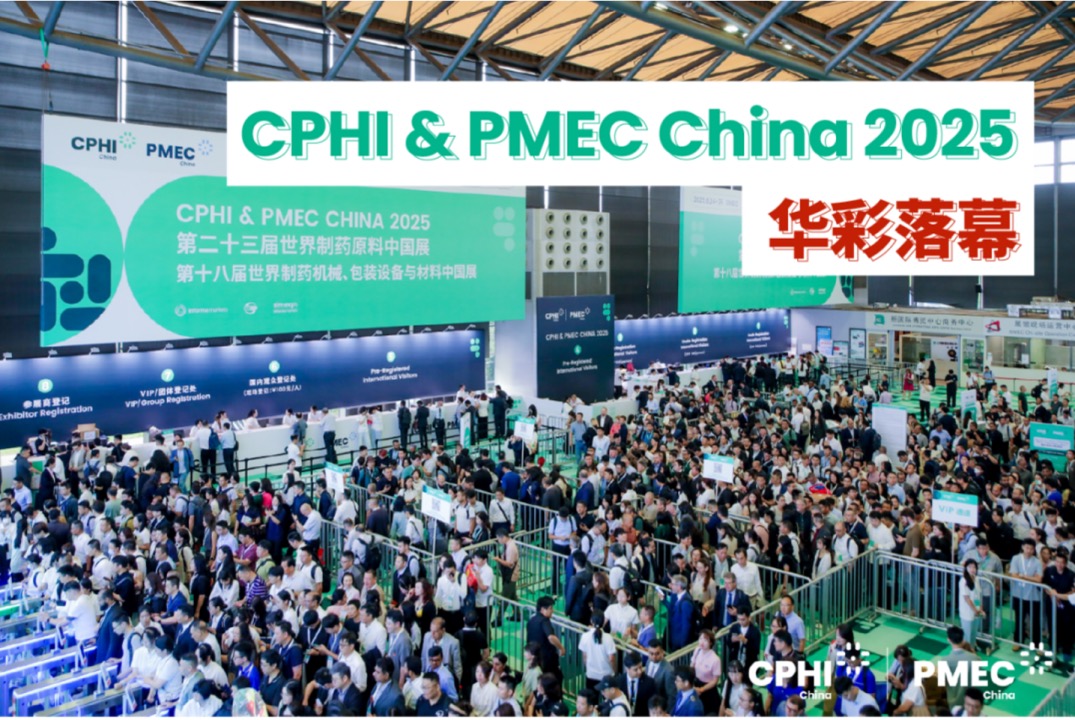
CPHI China 2025 ended successfully | Syntame talks with customers around the world about new opportunities for cooperation
CPHI China 2025 ended successfully | Syntame talks with customers around the world about new opportunities for cooperation

The company team made a stunning appearance at the 22nd World Pharmaceutical Raw Materials China Exhibition (CPHI) at the Shanghai New International Expo Centre.
The company's sales team successfully participated in the 21st World Pharmaceutical Raw Materials China Exhibition (CPHI) at the Shanghai New International Expo Centre.