
Understanding API Manufacturing in the Pharmaceutical Industry
Nov 25,2025


Active Pharmaceutical Ingredient (API) manufacturing is a fundamental aspect of the pharmaceutical industry, particularly in the production of medicinal products. APIs are the biologically active components responsible for the therapeutic effects of medications. The quality and efficacy of a drug largely depend on the API's characteristics, making its manufacturing process vital.
The API manufacturing process involves several key stages: synthesis, purification, and quality control. Initially, the synthesis stage entails the chemical or biological processes that convert raw materials into the active ingredient. This can involve complex chemical reactions or fermentation processes, depending on the type of API being produced. For instance, small molecule APIs are typically synthesized through chemical routes, while biologics may require fermentation or cell culture techniques.
Purification follows synthesis and is crucial for ensuring that the final product meets the required purity standards. This stage often involves various methods, including crystallization, chromatography, and filtration. The goal is to eliminate impurities and by-products that could affect both the efficacy of the drug and patient safety.
Quality control (QC) is another critical component of API manufacturing. It involves rigorous testing of the API at different stages of production to ensure that it meets established specifications and regulatory standards. QC procedures can include analytical techniques such as high-performance liquid chromatography (HPLC) and mass spectrometry, which help identify and quantify the active ingredients and any potential contaminants.
In addition to the technical aspects, API manufacturers must also navigate a complex regulatory landscape. Various authorities, such as the FDA and EMA, set stringent guidelines that manufacturers must adhere to, ensuring that APIs are produced consistently and safely. Compliance with Good Manufacturing Practices (GMP) is essential, as it encompasses the quality management systems necessary for pharmaceutical production.
Furthermore, the trend toward globalization in the pharmaceutical industry has also impacted API manufacturing. Many companies are now outsourcing API production to different regions, which can offer cost advantages. However, this can also introduce challenges related to quality assurance and regulatory compliance, as different countries may have varying standards.
In summary, API manufacturing is a multifaceted process that plays a pivotal role in the pharmaceutical industry. From the synthesis of active components to rigorous quality control measures, every step is essential to ensure that medications are safe and effective for patients. Understanding these processes not only highlights the importance of APIs but also emphasizes the need for stringent regulatory compliance to uphold the integrity of the pharmaceutical supply chain.
The API manufacturing process involves several key stages: synthesis, purification, and quality control. Initially, the synthesis stage entails the chemical or biological processes that convert raw materials into the active ingredient. This can involve complex chemical reactions or fermentation processes, depending on the type of API being produced. For instance, small molecule APIs are typically synthesized through chemical routes, while biologics may require fermentation or cell culture techniques.
Purification follows synthesis and is crucial for ensuring that the final product meets the required purity standards. This stage often involves various methods, including crystallization, chromatography, and filtration. The goal is to eliminate impurities and by-products that could affect both the efficacy of the drug and patient safety.
Quality control (QC) is another critical component of API manufacturing. It involves rigorous testing of the API at different stages of production to ensure that it meets established specifications and regulatory standards. QC procedures can include analytical techniques such as high-performance liquid chromatography (HPLC) and mass spectrometry, which help identify and quantify the active ingredients and any potential contaminants.
In addition to the technical aspects, API manufacturers must also navigate a complex regulatory landscape. Various authorities, such as the FDA and EMA, set stringent guidelines that manufacturers must adhere to, ensuring that APIs are produced consistently and safely. Compliance with Good Manufacturing Practices (GMP) is essential, as it encompasses the quality management systems necessary for pharmaceutical production.
Furthermore, the trend toward globalization in the pharmaceutical industry has also impacted API manufacturing. Many companies are now outsourcing API production to different regions, which can offer cost advantages. However, this can also introduce challenges related to quality assurance and regulatory compliance, as different countries may have varying standards.
In summary, API manufacturing is a multifaceted process that plays a pivotal role in the pharmaceutical industry. From the synthesis of active components to rigorous quality control measures, every step is essential to ensure that medications are safe and effective for patients. Understanding these processes not only highlights the importance of APIs but also emphasizes the need for stringent regulatory compliance to uphold the integrity of the pharmaceutical supply chain.
Syntame Exhibition Tour 2026

CPHI China 2026 Concludes Successfully | Shentai Bio Will Continue to Focus on High-Content Pharmaceutical Raw Material Solutions
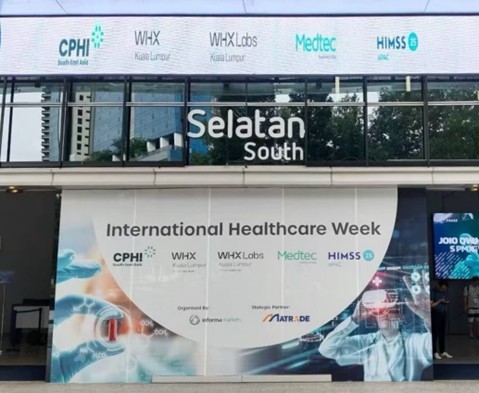
CPHI South East Asia 2025 comes to a successful conclusion | SYNTAME opens a new chapter in the Southeast Asian market
CPHI South East Asia 2025 comes to a successful conclusion | SYNTAME opens a new chapter in the Southeast Asian market
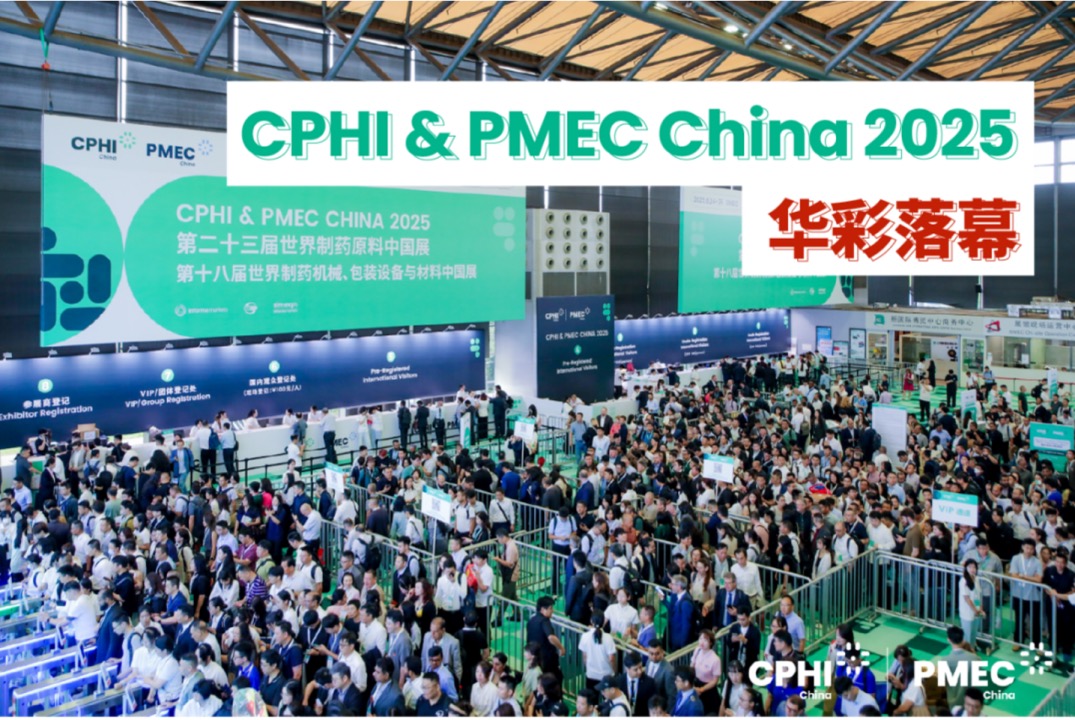
CPHI China 2025 ended successfully | Syntame talks with customers around the world about new opportunities for cooperation
CPHI China 2025 ended successfully | Syntame talks with customers around the world about new opportunities for cooperation

The company team made a stunning appearance at the 22nd World Pharmaceutical Raw Materials China Exhibition (CPHI) at the Shanghai New International Expo Centre.

No.298 Mingguang Road, Urban Industrial Park, Yinzhou District, Ningbo City, Zhejiang Province, P.R. China