
Understanding Pharma Intermediates: Essential Components in Pharmaceutical Production
Nov 16,2025


Understanding Pharma Intermediates: Essential Components in Pharmaceutical Production
Table of Contents
- What Are Pharmaceutical Intermediates?
- Importance of Pharmaceutical Intermediates in Drug Development
- Types of Pharmaceutical Intermediates
- Production Process of Pharmaceutical Intermediates
- Quality Control in Pharmaceutical Intermediates
- Regulatory Aspects of Pharmaceutical Intermediates
- Future Trends in Pharmaceutical Intermediates
- FAQs about Pharmaceutical Intermediates
- Conclusion
What Are Pharmaceutical Intermediates?
Pharmaceutical intermediates are **chemical compounds** that serve as the building blocks for active pharmaceutical ingredients (APIs). These compounds undergo various **chemical transformations** to develop the final product that goes into medications. The role of intermediates in the pharmaceutical industry cannot be understated; without them, producing complex drugs would be a daunting task. They facilitate the **synthesis of APIs**, making it possible to develop medications that can effectively treat a wide range of ailments.
Understanding pharmaceutical intermediates requires knowledge of the broader pharmaceutical manufacturing ecosystem. These intermediates are typically produced in specific **synthetic routes** that prioritize efficiency and cost-effectiveness, ultimately leading to a **high-quality end product**.
Importance of Pharmaceutical Intermediates in Drug Development
Pharmaceutical intermediates play a **pivotal role** in drug development for several reasons:
1. **Enhancing Efficiency**: Intermediates streamline the manufacturing process by allowing chemists to focus on small, manageable steps rather than tackling complex molecules in one go.
2. **Cost-Effectiveness**: By breaking down the synthesis process into intermediate stages, companies can reduce waste and optimize resource usage, significantly lowering production costs.
3. **Facilitating Innovation**: The availability of various intermediates enables researchers to experiment with new formulations and therapeutic approaches, leading to innovative drug discoveries.
4. **Ensuring Quality**: High-quality intermediates are essential for producing reliable and effective APIs. They help maintain the integrity and safety of the final pharmaceutical product.
5. **Regulatory Compliance**: Understanding the intermediates involved in drug production is crucial for meeting regulatory standards, ensuring safety, and gaining market approval.
Types of Pharmaceutical Intermediates
Pharmaceutical intermediates can be categorized based on various factors such as **chemical structure, function, and usage**. Here are some common types:
Synthetic Intermediates
Synthetic intermediates are produced through chemical synthesis processes. They are essential for constructing complex APIs and are often tailored for specific functions in drug formulation.
Biological Intermediates
Biological intermediates are derived from biological processes or organisms. They are commonly used in producing biologic drugs and vaccines, making them essential in modern therapeutics.
Chiral Intermediates
Chiral intermediates are compounds with non-superimposable mirror images, crucial in developing enantiomerically pure drugs. They enable targeted action and reduced side effects in pharmacotherapy.
Key Intermediates
Key intermediates are compounds integral to the synthesis of multiple APIs. Their versatile nature allows them to be utilized in various therapeutic areas, enhancing their significance in the pharmaceutical landscape.
Production Process of Pharmaceutical Intermediates
The production of pharmaceutical intermediates involves several key steps, each playing a vital role in ensuring the quality and efficacy of the final product.
1. Raw Material Selection
The journey begins with the careful selection of raw materials. The choice of precursors greatly influences the quality and yield of the intermediate. High-purity materials are essential for minimizing impurities and ensuring optimal reactions.
2. Chemical Synthesis
Once raw materials are procured, they undergo a series of chemical reactions. These reactions may include condensation, oxidation, reduction, and hydrolysis. The conditions—such as temperature, pressure, and catalysts—are meticulously controlled to optimize yield and purity.
3. Purification
After synthesis, the intermediates require purification to remove unreacted materials, by-products, and impurities. Techniques such as crystallization, distillation, and chromatography are commonly employed to achieve the desired purity levels.
4. Characterization
Characterization involves analytical techniques to assess the quality and consistency of intermediates. Methods such as NMR spectroscopy, HPLC, and mass spectrometry ensure that the intermediates meet predefined specifications.
Quality Control in Pharmaceutical Intermediates
Quality control (QC) is a critical aspect of the production process for pharmaceutical intermediates. QC measures ensure that intermediates meet the required standards before they proceed to the next phase of production.
1. Analytical Testing
Comprehensive analytical testing is conducted at various stages of production. These tests focus on chemical purity, potency, and the presence of contaminants.
2. Compliance with Standards
Intermediates must comply with international pharmacopoeia standards and guidelines set forth by regulatory agencies. Companies invest in establishing robust QC systems to ensure adherence.
3. Documentation and Traceability
Maintaining detailed records of production processes, testing results, and quality checks is essential for traceability. This documentation is vital for audits and regulatory inspections.
Regulatory Aspects of Pharmaceutical Intermediates
Navigating the regulatory landscape is imperative for pharmaceutical companies to ensure compliance with industry standards. Regulatory agencies like the FDA and EMA have specific guidelines governing the production and testing of pharmaceutical intermediates.
1. Good Manufacturing Practices (GMP)
GMP regulations dictate the standards for manufacturing processes, including the handling of pharmaceutical intermediates. Adhering to these practices ensures product quality and safety.
2. Safety and Efficacy Guidelines
Regulatory bodies require evidence of the safety and efficacy of intermediates before they can be used in drug formulations. This includes comprehensive data from preclinical and clinical studies.
3. Licensing and Approval
Pharmaceutical intermediates need to undergo a rigorous evaluation process for obtaining the necessary licenses and approvals before being utilized in drug production. Companies must prepare detailed submissions that outline the manufacturing process and quality measures.
Future Trends in Pharmaceutical Intermediates
As the pharmaceutical industry evolves, so too does the role of intermediates. Emerging trends suggest a focus on sustainability and innovation in the production of pharmaceutical intermediates.
1. Green Chemistry
Sustainability is becoming a priority, with many companies adopting green chemistry principles to reduce waste and environmental impact. This trend includes finding eco-friendly solvents and optimizing reaction conditions.
2. Automation and Digitalization
The integration of automation and digital technologies is streamlining the production process. Advanced analytics and real-time monitoring are improving efficiency and ensuring higher quality standards.
3. Personalized Medicine
With the rise of personalized medicine, pharmaceutical intermediates are increasingly tailored to meet specific patient needs. This shift requires a deeper understanding of the biochemistry involved in drug interactions.
FAQs about Pharmaceutical Intermediates
1. What is the role of pharmaceutical intermediates in drug development?
Pharmaceutical intermediates are crucial for **synthesizing active pharmaceutical ingredients (APIs)**, enhancing efficiency, and ensuring the quality of medications.
2. How are pharmaceutical intermediates produced?
The production involves **raw material selection**, **chemical synthesis**, **purification**, and **characterization** to ensure quality and efficacy.
3. What are the common types of pharmaceutical intermediates?
Common types include **synthetic**, **biological**, **chiral**, and **key intermediates**, each serving specific roles in drug formulation.
4. Why is quality control essential in pharmaceutical intermediates?
Quality control ensures that intermediates meet regulatory standards, maintaining the safety, efficacy, and reliability of the final pharmaceutical product.
5. What future trends are shaping the pharmaceutical intermediates market?
Emerging trends include a focus on **green chemistry**, **automation**, and **personalized medicine**, enhancing sustainability and efficiency in production.
Conclusion
Understanding pharmaceutical intermediates is essential for anyone involved in drug production and development. These compounds serve as the backbone of the pharmaceutical industry, enabling the synthesis of effective and safe medications. Their role in enhancing efficiency, ensuring quality, and complying with regulatory standards cannot be overstated. As the industry evolves, so too do the trends surrounding pharmaceutical intermediates. By staying informed about these changes, professionals can contribute to advancing drug manufacturing and improving healthcare outcomes.
Syntame Exhibition Tour 2026

CPHI China 2026 Concludes Successfully | Shentai Bio Will Continue to Focus on High-Content Pharmaceutical Raw Material Solutions
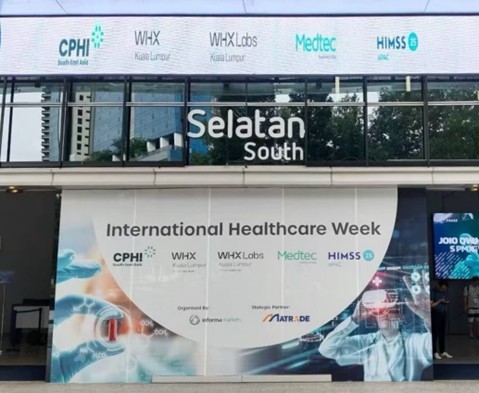
CPHI South East Asia 2025 comes to a successful conclusion | SYNTAME opens a new chapter in the Southeast Asian market
CPHI South East Asia 2025 comes to a successful conclusion | SYNTAME opens a new chapter in the Southeast Asian market
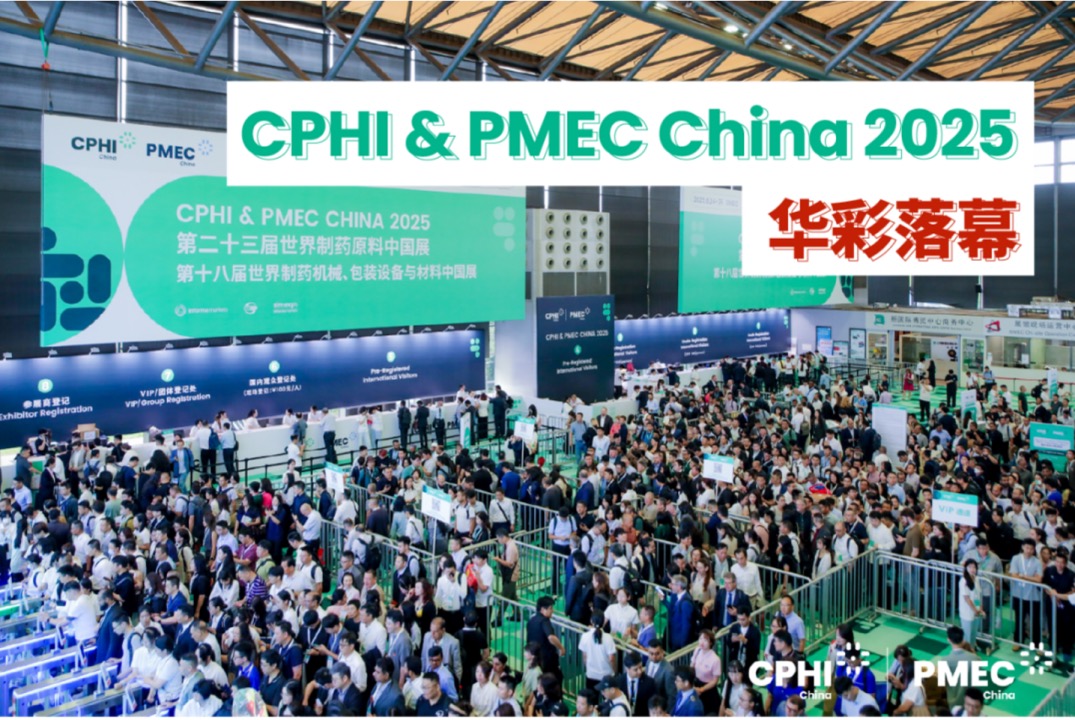
CPHI China 2025 ended successfully | Syntame talks with customers around the world about new opportunities for cooperation
CPHI China 2025 ended successfully | Syntame talks with customers around the world about new opportunities for cooperation

The company team made a stunning appearance at the 22nd World Pharmaceutical Raw Materials China Exhibition (CPHI) at the Shanghai New International Expo Centre.

No.298 Mingguang Road, Urban Industrial Park, Yinzhou District, Ningbo City, Zhejiang Province, P.R. China