
The Essential Guide to API Manufacturing in the Pharmaceutical Industry
Nov 07,2025


Active Pharmaceutical Ingredient (API) manufacturing serves as a fundamental component in the pharmaceutical industry, particularly in the production of medicines and treatments. APIs are the active substances in pharmaceutical products that deliver therapeutic effects. The manufacturing of APIs is a complex process that involves several stages, each critical to ensuring the safety, efficacy, and quality of the final product.
The first step in API manufacturing is the synthesis of the active ingredient. This can involve several chemical reactions, purification processes, and analytical techniques to isolate the desired compound. Chemists and engineers work diligently to optimize these processes, using various technologies and methodologies, including both traditional synthetic methods and modern biotechnological approaches. For instance, biopharmaceuticals often utilize living cells to produce complex molecules that are difficult to synthesize chemically.
After the synthesis phase, the API undergoes rigorous testing and quality assurance processes. This step is crucial, as it ensures that the API meets the stringent regulatory standards set by health authorities. Quality control involves extensive testing for purity, potency, and stability. Various analytical techniques, such as high-performance liquid chromatography (HPLC) and mass spectrometry, are employed to verify the characteristics of the API.
Moreover, API manufacturing is not devoid of challenges. The industry faces issues such as the need for sustainable production methods, cost management, and adherence to regulatory requirements. Companies must balance the demands for high-quality products with the economic realities of production. This often leads to innovations in manufacturing technologies, such as continuous manufacturing processes, which promise to enhance efficiency and reduce waste.
Furthermore, the globalization of the pharmaceutical supply chain has made API manufacturing increasingly interconnected. Many companies source raw materials and components from various countries, which introduces additional complexities in quality assurance and regulatory compliance. Consequently, maintaining a robust supply chain and ensuring consistency in production is a top priority for manufacturers.
In conclusion, API manufacturing is a critical aspect of the pharmaceutical industry, impacting everything from drug development to patient safety. As the demand for innovative therapies continues to grow, so too will the importance of refining and advancing API manufacturing processes. Understanding the complexities and challenges of this field is essential for stakeholders aiming to contribute to the future of medicine and healthcare.
The first step in API manufacturing is the synthesis of the active ingredient. This can involve several chemical reactions, purification processes, and analytical techniques to isolate the desired compound. Chemists and engineers work diligently to optimize these processes, using various technologies and methodologies, including both traditional synthetic methods and modern biotechnological approaches. For instance, biopharmaceuticals often utilize living cells to produce complex molecules that are difficult to synthesize chemically.
After the synthesis phase, the API undergoes rigorous testing and quality assurance processes. This step is crucial, as it ensures that the API meets the stringent regulatory standards set by health authorities. Quality control involves extensive testing for purity, potency, and stability. Various analytical techniques, such as high-performance liquid chromatography (HPLC) and mass spectrometry, are employed to verify the characteristics of the API.
Moreover, API manufacturing is not devoid of challenges. The industry faces issues such as the need for sustainable production methods, cost management, and adherence to regulatory requirements. Companies must balance the demands for high-quality products with the economic realities of production. This often leads to innovations in manufacturing technologies, such as continuous manufacturing processes, which promise to enhance efficiency and reduce waste.
Furthermore, the globalization of the pharmaceutical supply chain has made API manufacturing increasingly interconnected. Many companies source raw materials and components from various countries, which introduces additional complexities in quality assurance and regulatory compliance. Consequently, maintaining a robust supply chain and ensuring consistency in production is a top priority for manufacturers.
In conclusion, API manufacturing is a critical aspect of the pharmaceutical industry, impacting everything from drug development to patient safety. As the demand for innovative therapies continues to grow, so too will the importance of refining and advancing API manufacturing processes. Understanding the complexities and challenges of this field is essential for stakeholders aiming to contribute to the future of medicine and healthcare.
Shentai Exhibition Tour 2025

CPHI South East Asia 2025 comes to a successful conclusion | SYNTAME opens a new chapter in the Southeast Asian market
CPHI South East Asia 2025 comes to a successful conclusion | SYNTAME opens a new chapter in the Southeast Asian market
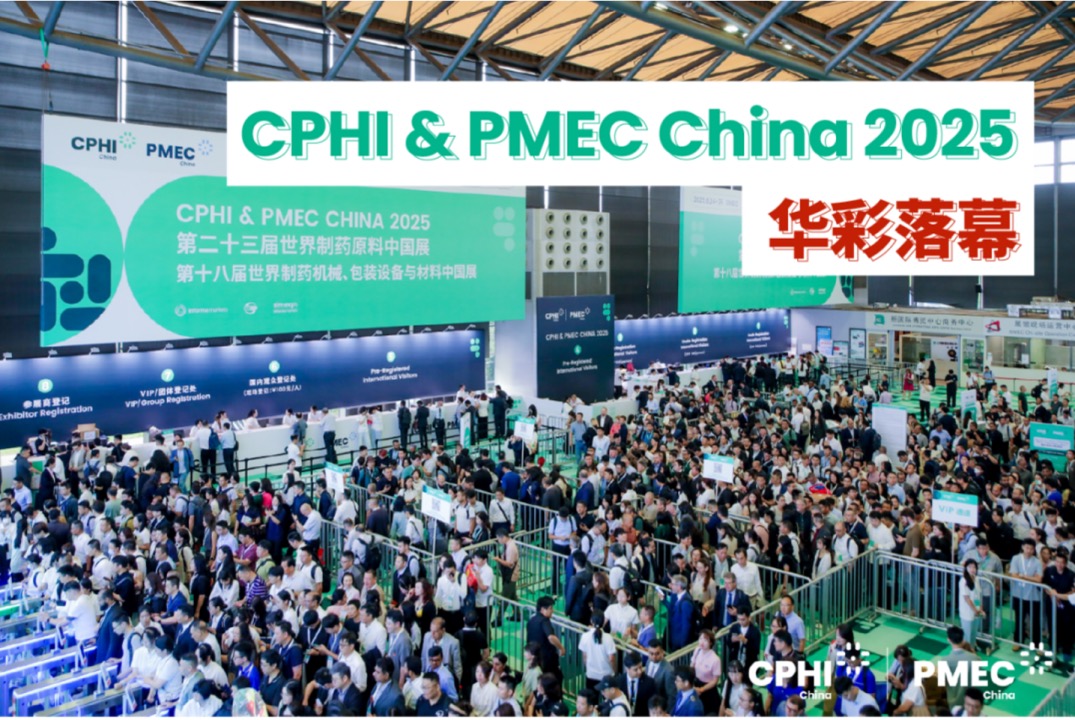
CPHI China 2025 ended successfully | Syntame talks with customers around the world about new opportunities for cooperation
CPHI China 2025 ended successfully | Syntame talks with customers around the world about new opportunities for cooperation

The company team made a stunning appearance at the 22nd World Pharmaceutical Raw Materials China Exhibition (CPHI) at the Shanghai New International Expo Centre.
The company's sales team successfully participated in the 21st World Pharmaceutical Raw Materials China Exhibition (CPHI) at the Shanghai New International Expo Centre.