
Unlocking the Potential: The Fundamental Role of Pharmaceutical Intermediates in Drug Development
Oct 29,2025


Unlocking the Potential: The Fundamental Role of Pharmaceutical Intermediates in Drug Development
In the ever-evolving landscape of drug development, pharmaceutical intermediates serve as the unsung heroes of the industry. These chemical compounds play a crucial role in the synthesis of active pharmaceutical ingredients (APIs), ultimately determining the efficacy and safety of new medications. Understanding the potential of pharmaceutical intermediates is vital for anyone involved in drug formulation, development, and manufacturing.
Table of Contents
- Understanding Pharmaceutical Intermediates
- The Significance of Intermediates in Drug Development
- Types of Pharmaceutical Intermediates
- The Manufacturing Process of Intermediates
- Challenges in the Production of Intermediates
- Emerging Trends in Pharma Intermediates
- The Impact of Regulatory Frameworks
- Future Outlook for Pharmaceutical Intermediates
- FAQs About Pharmaceutical Intermediates
Understanding Pharmaceutical Intermediates
Pharmaceutical intermediates are substances produced during the synthesis of APIs. They act as building blocks in the creation of complex molecules that eventually become drugs. These intermediates can range from simple compounds to highly complex structures, depending on the specific drug being developed. Understanding their role is essential for pharmaceutical scientists and manufacturers as they navigate the intricate pathways of drug discovery.
Definition and Characteristics
By definition, pharmaceutical intermediates are compounds that are not yet active ingredients but are crucial for the chemical processes that lead to API formation. Their characteristics include:
- Reactivity: Intermediates often possess reactive functional groups that facilitate further chemical reactions.
- Stability: Some intermediates must be stable enough to undergo various processing stages without decomposing.
- Purity: High levels of purity are essential to avoid contamination of the final product.
The Significance of Intermediates in Drug Development
The role of pharmaceutical intermediates cannot be overstated. They are essential for several reasons:
1. Facilitating Synthesis Pathways
Intermediates are integral to the synthesis of APIs. They often undergo multiple transformations, which can include reactions such as oxidation, reduction, and hydrolysis. Each step in the synthesis pathway requires careful consideration of the intermediates involved, making them a focal point in the development process.
2. Impact on Drug Quality
High-quality intermediates result in high-quality APIs, which translate into effective medications. The properties of intermediates can directly affect the physical and chemical properties of the final drug product, including solubility, bioavailability, and stability.
3. Cost-Effectiveness
By optimizing the use of intermediates, pharmaceutical companies can reduce production costs. Efficient synthesis pathways minimize waste and enhance yield, making the overall drug development process more economical.
Types of Pharmaceutical Intermediates
Pharmaceutical intermediates can be broadly classified into several categories based on their chemical structure and function:
Aromatic Intermediates
Aromatic compounds are commonly used in drug development due to their stability and reactivity. These intermediates often serve as precursors to a wide range of APIs, particularly in the synthesis of anti-inflammatory and analgesic medications.
Alicyclic Intermediates
Alicyclic compounds, which contain both aliphatic and cyclic structures, are often utilized in producing antibiotics and antitumor agents. Their unique properties make them valuable in creating complex drug molecules.
Heterocyclic Intermediates
Heterocyclic compounds, containing atoms of at least two different elements within their rings, are pivotal in drug development. Many medications, especially those targeting neurological disorders, are based on heterocyclic intermediates.
The Manufacturing Process of Intermediates
The production of pharmaceutical intermediates involves a series of well-defined steps. These steps typically include:
1. Raw Material Selection
The choice of raw materials is critical. High-quality starting materials ensure higher yields and purity levels in the final product. Pharmaceutical companies often source raw materials from reputable suppliers to maintain quality.
2. Reaction Conditions
Optimal reaction conditions, including temperature, pressure, and solvent choice, significantly influence the efficiency of the synthetic process. Careful monitoring is essential to achieve the desired product without unwanted by-products.
3. Purification Techniques
After synthesis, intermediates may require purification methods such as crystallization, distillation, or chromatography. These techniques separate the desired product from impurities and unreacted materials, ensuring a high purity level.
Challenges in the Production of Intermediates
The production of pharmaceutical intermediates is fraught with challenges that can impact the drug development process:
1. Scalability Issues
Scaling up from laboratory synthesis to industrial production can present significant difficulties. What works at a small scale may not yield the same results at a larger scale due to differences in reaction dynamics.
2. Regulatory Compliance
Ensuring compliance with stringent regulatory standards can complicate production processes. Pharmaceutical companies must adhere to guidelines set forth by agencies such as the FDA and EMA, which often require extensive documentation and quality control measures.
3. Environmental Concerns
The environmental impact of pharmaceutical manufacturing is a growing concern. Companies are increasingly pressured to adopt sustainable practices, including reducing waste and minimizing energy consumption during the production of intermediates.
Emerging Trends in Pharma Intermediates
The pharmaceutical industry is witnessing several key trends that are shaping the future of intermediates:
1. Green Chemistry
Green chemistry principles are gaining traction in the synthesis of pharmaceutical intermediates. These practices aim to reduce hazardous substances and enhance the environmental sustainability of chemical processes.
2. Continuous Manufacturing
Continuous manufacturing is revolutionizing the production of pharmaceutical intermediates. This approach allows for more efficient and consistent production, reducing costs and improving product quality.
3. Advancements in Biotechnology
Biotechnology is playing an increasingly important role in the synthesis of intermediates. Enzyme-based production methods offer the potential for more efficient and sustainable synthesis pathways.
The Impact of Regulatory Frameworks
Regulatory frameworks play a critical role in the development and production of pharmaceutical intermediates. The regulations set forth by different agencies ensure that intermediates meet safety and efficacy standards before they can be used in drug formulations.
1. Quality Assurance Standards
Quality assurance standards, such as Good Manufacturing Practices (GMP), mandate rigorous testing and documentation processes. Compliance with these standards is essential for gaining regulatory approval for intermediates used in drug development.
2. Safety Regulations
Pharmaceutical intermediates must undergo extensive safety assessments to identify any potential risks associated with their use. Regulatory bodies require comprehensive data on toxicity, stability, and compatibility before granting approval.
Future Outlook for Pharmaceutical Intermediates
The future of pharmaceutical intermediates appears promising as the industry evolves:
1. Increased Demand for Custom Intermediates
As personalized medicine gains traction, there will be a heightened demand for custom pharmaceutical intermediates tailored to specific therapeutic needs.
2. Technological Innovations
Innovations in technology, including artificial intelligence and machine learning, are expected to enhance the efficiency and accuracy of intermediate production, streamlining the drug development process.
FAQs About Pharmaceutical Intermediates
1. What are pharmaceutical intermediates?
Pharmaceutical intermediates are chemical compounds that are produced during the synthesis of active pharmaceutical ingredients (APIs) and are essential for creating effective medications.
2. Why are intermediates important in drug development?
Intermediates are crucial as they facilitate the synthesis pathways of APIs, impact drug quality, and can contribute to cost-effectiveness in the production process.
3. What types of pharmaceutical intermediates exist?
Common types of pharmaceutical intermediates include aromatic, alicyclic, and heterocyclic compounds, each serving unique roles in drug synthesis.
4. What challenges do companies face in intermediate production?
Challenges include scalability issues, regulatory compliance, and addressing environmental concerns related to the manufacturing processes.
5. How is the future of pharmaceutical intermediates shaping up?
The future includes increased demand for custom intermediates, advancements in biotechnology, and greater emphasis on green chemistry practices.
Conclusion
Pharmaceutical intermediates are integral to the drug development process, shaping the effectiveness and safety of medications. As we unlock their potential, it is crucial to understand their multifaceted roles, challenges, and the emerging trends that will define the future of the pharmaceutical industry. By embracing innovation and adhering to regulatory standards, the pharmaceutical sector can continue to thrive and address the evolving healthcare needs of society.
Shentai Exhibition Tour 2025

CPHI South East Asia 2025 comes to a successful conclusion | SYNTAME opens a new chapter in the Southeast Asian market
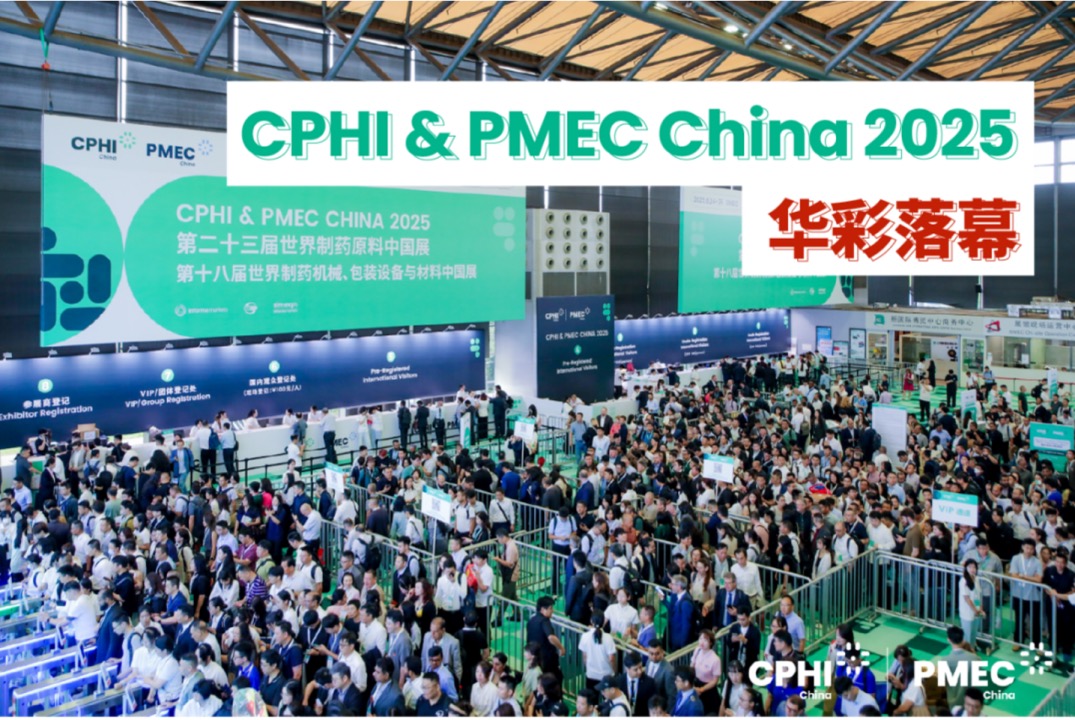
CPHI China 2025 ended successfully | Syntame talks with customers around the world about new opportunities for cooperation

The company team made a stunning appearance at the 22nd World Pharmaceutical Raw Materials China Exhibition (CPHI) at the Shanghai New International Expo Centre.
The company's sales team successfully participated in the 21st World Pharmaceutical Raw Materials China Exhibition (CPHI) at the Shanghai New International Expo Centre.