

Pharmaceutical Excipients Play a Critical Role in Advancing Modern Drug Development and Delivery
Mar 28,2026


In the rapidly evolving pharmaceutical industry, the focus on innovation, safety, and efficiency has extended beyond active pharmaceutical ingredients (APIs) to include the often-overlooked components known as excipients. Pharmaceutical excipients, once considered inert substances used merely as fillers, are now recognized as essential contributors to the performance, stability, and effectiveness of modern medicines. As drug formulations become increasingly complex, the role of excipients is gaining greater importance in supporting advanced drug delivery systems and improving patient outcomes.
Pharmaceutical excipients are substances formulated alongside the active ingredient in a medication to aid in the manufacturing process and enhance the drug’s overall performance. These materials serve various functions, including improving solubility, ensuring uniformity, controlling release rates, and enhancing the stability of the final product. Common types of excipients include binders, fillers, disintegrants, lubricants, preservatives, and coating agents. Each plays a specific role in ensuring that the drug is safe, effective, and easy to administer.
One of the most significant developments in recent years is the shift toward functional excipients. Unlike traditional excipients, which primarily provide structural support, functional excipients are designed to actively influence the drug’s behavior in the body. For example, controlled-release excipients allow medications to be released gradually over time, reducing dosing frequency and improving patient compliance. Similarly, solubility-enhancing excipients help increase the bioavailability of poorly soluble drugs, enabling more effective treatment outcomes.
The importance of excipients is particularly evident in the development of advanced drug delivery systems. Technologies such as nanoparticles, liposomes, and polymer-based carriers rely heavily on specialized excipients to encapsulate and transport active ingredients to targeted areas within the body. These systems can improve therapeutic efficacy while minimizing side effects, representing a significant advancement in pharmaceutical science.
Quality and safety are paramount in the production of pharmaceutical excipients. Regulatory authorities such as the FDA and EMA have established strict guidelines to ensure that excipients meet high standards of purity, consistency, and safety. Manufacturers must adhere to Good Manufacturing Practices (GMP) and conduct rigorous testing to verify the quality of their products. This includes evaluating physical, chemical, and microbiological properties to ensure compatibility with active ingredients and suitability for use in specific formulations.
Another key trend shaping the excipient market is the growing demand for biocompatible and sustainable materials. As environmental concerns and patient safety considerations become more prominent, pharmaceutical companies are exploring natural and biodegradable excipients derived from plant-based or renewable sources. These materials not only reduce environmental impact but also offer improved compatibility with the human body, making them ideal for sensitive applications such as pediatric and injectable drugs.
The global market for pharmaceutical excipients is experiencing steady growth, driven by increasing demand for innovative drug formulations and the expansion of the generic drug industry. Emerging markets are playing a significant role in this growth, as they invest in healthcare infrastructure and pharmaceutical manufacturing capabilities. At the same time, developed markets are focusing on high-value, specialized excipients that support advanced therapies and personalized medicine.
Technological advancements are also transforming the excipient landscape. The use of artificial intelligence (AI) and data analytics is enabling researchers to design and optimize excipient combinations more efficiently. These tools can predict how different excipients will interact with active ingredients, reducing development time and costs. Additionally, continuous manufacturing processes are improving production efficiency and ensuring consistent product quality.
Despite these advancements, the excipient industry faces several challenges. The complexity of modern drug formulations requires a deep understanding of excipient functionality and interactions. Incompatibility between excipients and APIs can lead to stability issues or reduced efficacy, making formulation development a highly specialized field. Furthermore, regulatory requirements continue to evolve, requiring manufacturers to stay updated and maintain compliance.
Collaboration between pharmaceutical companies, excipient manufacturers, and regulatory bodies is essential to address these challenges and drive innovation. By working together, stakeholders can develop new excipients that meet the needs of modern medicine while ensuring safety and quality standards are upheld.
Looking ahead, the future of pharmaceutical excipients is closely linked to advancements in biotechnology and personalized medicine. As therapies become more targeted and complex, the demand for specialized excipients will continue to grow. Innovations such as smart excipients, which respond to environmental triggers within the body, are expected to play a key role in next-generation drug delivery systems.
In conclusion, pharmaceutical excipients are no longer passive ingredients but active contributors to the success of modern medicines. Their role in enhancing drug performance, improving patient experience, and enabling advanced delivery technologies makes them indispensable in the pharmaceutical industry. As research and innovation continue to progress, excipients will remain at the forefront of efforts to develop safer, more effective, and more sustainable healthcare solutions.
Shentai Exhibition Tour 2025

CPHI South East Asia 2025 comes to a successful conclusion | SYNTAME opens a new chapter in the Southeast Asian market
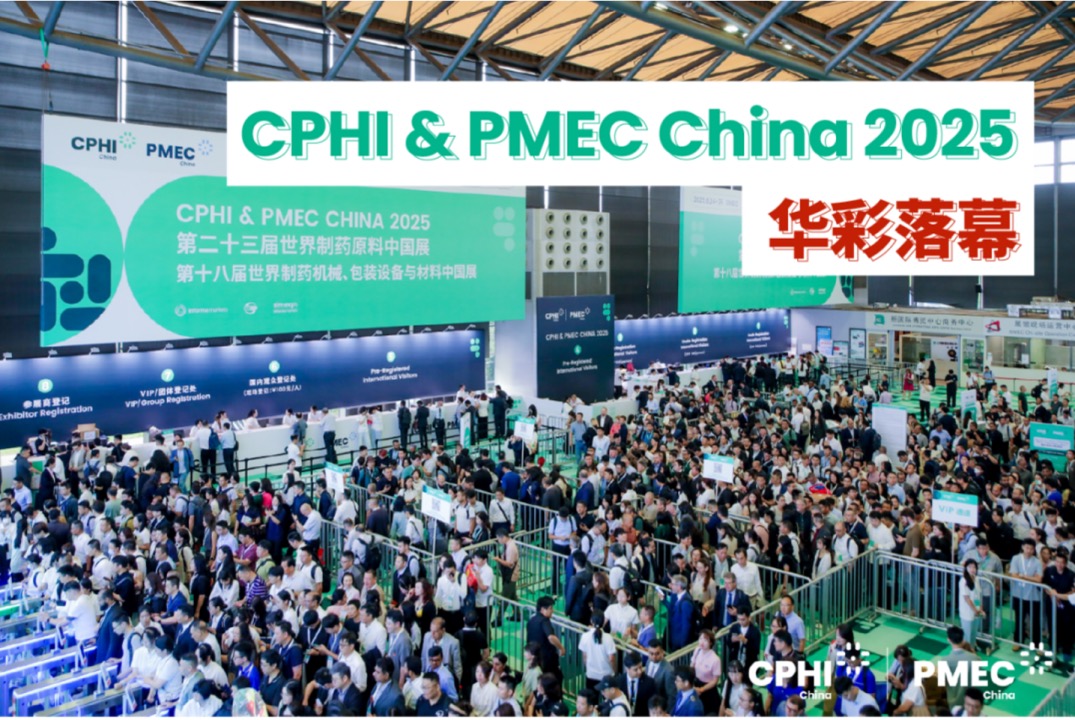
CPHI China 2025 ended successfully | Syntame talks with customers around the world about new opportunities for cooperation

The company team made a stunning appearance at the 22nd World Pharmaceutical Raw Materials China Exhibition (CPHI) at the Shanghai New International Expo Centre.
The company's sales team successfully participated in the 21st World Pharmaceutical Raw Materials China Exhibition (CPHI) at the Shanghai New International Expo Centre.